
-
 My Surreal Journey of Getting Fired by the Trump Administration
Emily Loker had a PhD, a condo, and a five-year plan as a federal employee. Then her job was eliminated.
-
 Wendy McMahon Isn’t Done Making News
The former CBS News chief opens up about her sudden departure from one of legacy media’s top positions.
-
 I’m a Money Expert—and I Lost Nearly $100,000 to the Man I Was Supposed to Marry
In the first installment of The Cost of Starting Over, money expert Chloe Elise reveals how financial infidelity derailed her life—and what it took to reclaim it.
-
 The Witches of Wall Street
A new generation of women is blending mysticism with money management—and rewriting the rules of getting rich.
-
 Coach Sandy Brondello Breaks Her Silence on the Offers She Turned Down for Toronto
The WNBA history-maker sets the record straight on the whirlwind between her Liberty exit and her fresh start with the Toronto Tempo.
-
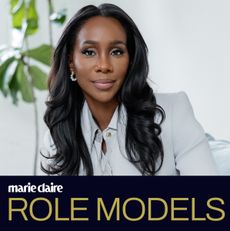 Abby Phillip Wasn’t Looking for the Spotlight. She Earned It Anyway.
After writing her first book on Jesse Jackson’s legacy, the CNN anchor reflects on risk, resilience, and staying true to herself.
-
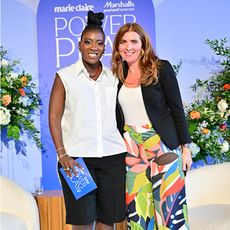 What You Really Need to Know About Networking and Building a Professional Community
Sponsor Content Created With Marshalls
An author and career influencer shares her advice.
-
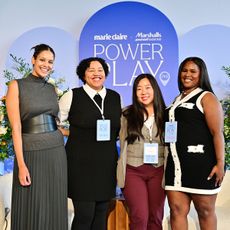 How to Recognize When It's Time to Pivot in Your Career
Sponsor Content Created With Marshalls
Three female founders weigh in on the power of making a pivot.
-
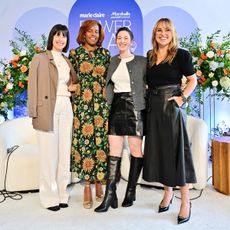 How to Define Your Own Direction With Confidence
Sponsor Content Created With Marshalls
An inside look at day two of Power Play.
-
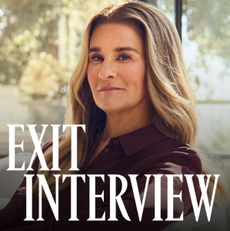 Melinda French Gates Knows Exactly How Her Career Ends
One year since the philanthropist left the Gates Foundation, she’s still figuring things out—but there’s one cause she’s committed to for life.
-
 How Marshalls Is Helping Women Access the Good Stuff in Life
Sponsor Content Created With Marshalls
From in-person events to digital resources, women are gaining the support they need to create the lives they've always dreamed of.
-
 How My Job’s ‘Wellness’ Program Nearly Sent Me Over the Edge
I was grieving my mom while trying to survive a corporate wellness culture obsessed with positivity. It nearly broke me.
-
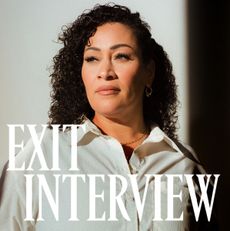 After Nearly 20 Years With Nike, Tania Flynn Walked Away to Build a New Legacy at Athleta
While it was a difficult decision, taking a leap of faith was exactly what Flynn needed.
-
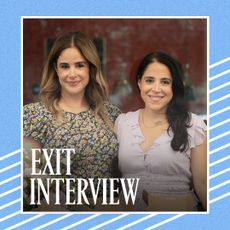 How a Shared Fertility Struggle Empowered Two Ex-Nike Employees to Launch Their Own Prenatal Company
After nearly two decades, Vida and Ronit parted ways with Nike and channeled their personal hardships into a new mission-driven venture.
-
 Meet the Millennial Women Buying Their Own Engagement Rings
There's nothing wrong with it. So why does it feel so uncomfortable?
-
 The Most Interesting Pieces of Career Advice We've Ever Given
A look back at three decades of tips to help women get ahead at work.
-
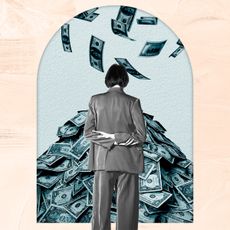 They Got Everything They Wanted Professionally by 30. Then What?
Reaching an all-time career high at a young age comes with a lot to celebrate—and a lot of pressure, too.
-
 5 Steps to Money Mindfulness
Sponsor Content Created With TD Bank
It's simpler than you think.
-
 Work Wives Are Going Extinct
They're becoming less common as remote and hybrid work get more prevalent. But is now the time when we need them the most?
-
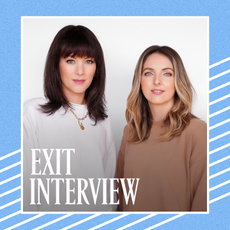 Boredom Helped These Founders Build a Bathing Suit Brand
Laura Low Ah Kee and Shannon Savage left their executive roles to try something new.
-
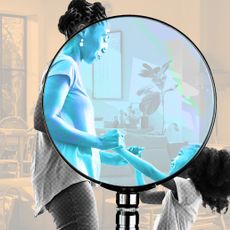 What Will It Take to End Stay-At-Home Mom Shame?
“Our culture around caregiving is ripe for reexamination.”
-
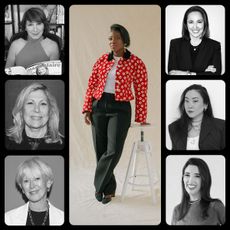 Former 'Marie Claire' Editors in Chief Reminisce About Their Time on the Job
In honor of the magazine's 30th anniversary, we asked them to share favorite memories and what they learned while at the helm.
-
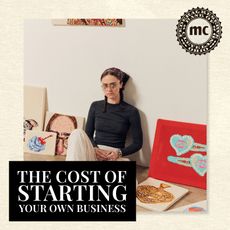 Ella Emhoff Never Intended to Be an It Girl—All She Wants Is to Knit
The second stepdaughter and former fashion model opens up about her true passions: art, knitting, and community.
-
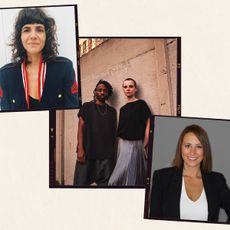 3 Women on How They Unleashed Their Potential and Followed Their Professional Dreams
These inspirational stories will have you ready to leap into your dream life.
-
 Runner Alexi Pappas On Chasing Something New
"I realized that where I was going had never been gone before. I needed to stop trying to define what this was."
-
 These Women Own Sports
Seriously, though. As interest in the WNBA, NSWL, and other female leagues grows, so too, do the number of women investing in pro sports teams.


