
-
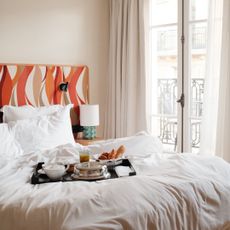 Avoid the Crowds and Opt for a Paris Getaway Filled With Books, Cocktails, and Decadent Treats
The pinnacle of luxury.
-
 Bella Hadid Resurrects Summer 2025's Gingham Trend
Metallic bikinis and graphic tees rounded out her wardrobe.
-
 I Won't Vacation Again Without Selena Gomez's Affordable Travel Sneakers
And just like that, I found my new travel shoes.
-
 Hailey Bieber's Seoul Style Includes Two Chanel Bags
And just a dash of animal print.
-
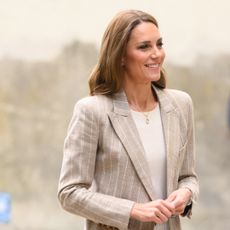 Princess Kate Stayed At This “Discreet” Villa In Italy With A “Special Connection” To Her Past
As a passionate art history aficionado, the Princess of Wales would have deeply appreciated the murals, frescoes, and architectural details.
-
 'Perfect Match' Season 4 Provides a Full Itinerary for Your Next Trip to Tulum
Netflix reality hit hosts a chaotic game of love in the perfect tropical destination.
-
 Hear Me Out: “Shoulder Season” Is the Best Time of Year to Travel
No humidity. No crowds.
-
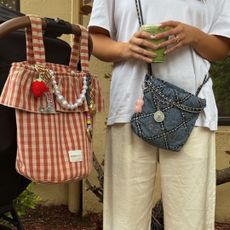 The Status Stroller Bag "Moms Can't Help But Notice"
It's becoming a must-have from New York to Oregon.
-
 Tom Holland Is at the Center of Rumored Wife Zendaya's Outfit
Cuffed jeans, The Row loafers, a special baseball cap, and a gold wedding band.
-
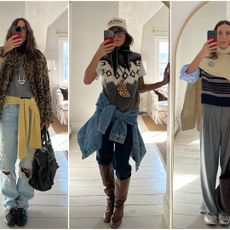 The Practical Packing Tips Every Fashion Girl Should Know
The key is to stay true to your style while also being location-appropriate.
-
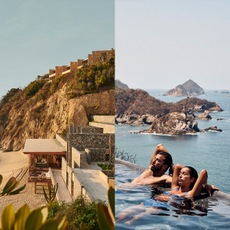 Everything About This Cinematic Mexican Resort Screams 'White Lotus'
Rumor has it, Mike White even paid a visit.
-
 Hear Me Out—Instead of Island-Hopping, Limit Your Vacation to Exactly One
Surrounded by water, you can’t go far. And that's the point.
-
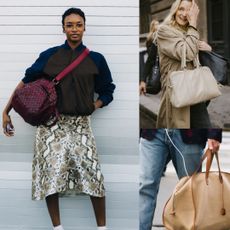 Stylish Jet-Setters Swear By These 19 Weekender Bags
In case you want another reason to get excited about your trip.
-
 Forget Christmas—Head to NYC This February for the Ultimate Girls' Weekend
Skip the crowds and cozy up with creative cocktails, memorable meals and roaring fires.
-
 Crete Is Calling—Here’s Why It Deserves a Spot on Your Bucket List
Secluded coves, seafood dinners, and a budding luxury scene.
-
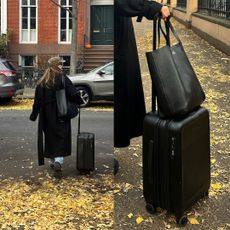 As a Travel Writer, I’m Strictly Team Carry-On—This Is the Only Suitcase I Trust
It’s seen month-long trips, survived climate extremes, and has never gotten lost.
-
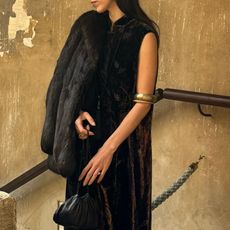 Everything I Packed for My Chic Italian Getaway
My travel wardrobe isn’t complete without these essentials.
-
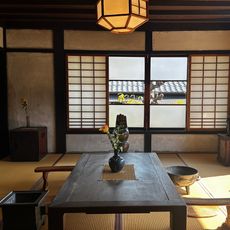 I Traveled to Japan In Search of Peace—What I Found Was So Much More
Only 7,000 miles to wellness and clarity.
-
 The World's Most Fashionable Zip Code Is Home to Super Luxe Beauty Treatments
Milan may be best known for clothes, but don't sleep on the glam.
-
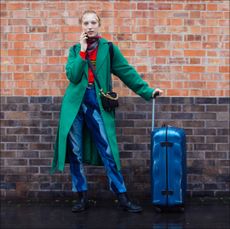 I'm a Travel Writer—I Don't Go Anywhere Without These 10 Items
From suitcases to sneakers, the go-to essentials when you’re always on the go.
-
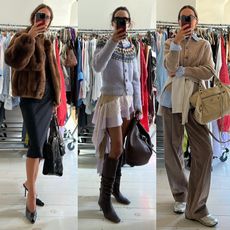 7 Practical Yet Impossibly Chic Travel Bags I Carry Around the World
From a $40 L.L. Bean tote to a four-figure Saint Laurent bag.
-
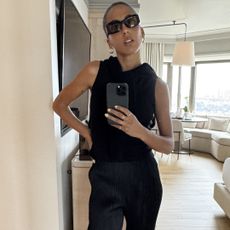 The Only Brand I Trust to Keep Me Chic on Over 100 Travel Days a Year
Plus, my go-to personal item that doubles my packing space.
-
 Forget Paris—Ireland Might Be Europe’s Most Surprising Luxury Destination
Think Ireland is all pub crawls and countryside charm? Add Michelin stars and hotels fit for royalty.
-
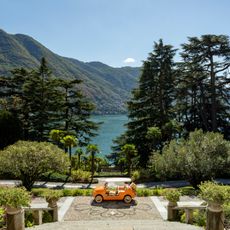 The Travel Escapes That Inspire Powerhouse Women
Busy women at the top of their fields reveal the destinations that keep them grounded—and spark new ideas.
-
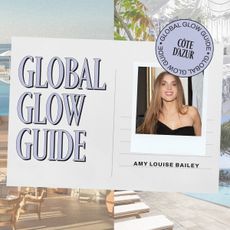 Inside the Best Beauty Treatments in the World's Most Luxurious Zip Code
My ultimate guide to the Côte d'Azur.
-
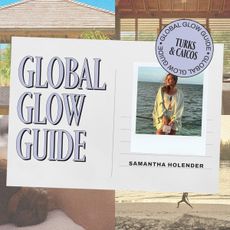 Presenting: A Beauty Fanatic's Guide to Turks and Caicos
What’s a Caribbean vacation without some spa time?


