
-
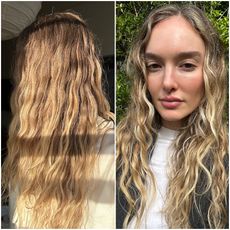 My Wavy Hair Craves These Shampoo and Conditioner Combos
This is how I keep my mermaid, rib-skimming hair happy.
-
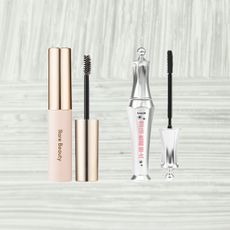 Clear Brow Gels Are the Plain White Tee of My Makeup Routine, and You Can't Convince Me Otherwise
Swipe and go.
-
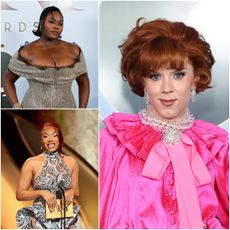 These Are, Hands Down, the Best Beauty Looks From the 2026 Tony Awards
No one disappointed.
-
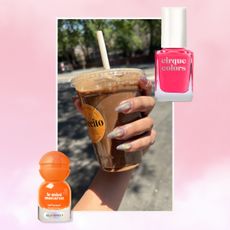 This Year's Top Summer Nail Colors Are Sweet Like Candy
Every manicure feels like a treat.
-
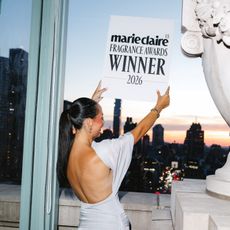 Ever Wonder What Fragrance Executives Really Smell Like?
We found out at our third annual Fragrance Awards event.
-
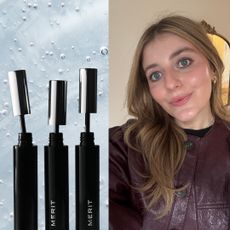 I Just Found the Goldilocks of Tubing Mascaras
Merit’s new launch has zero clumps and major volume.
-
 Tan-Maxxers Know the Sun Is Bad for Them—They Just Don't Care
The problem is that they definitely should.
-
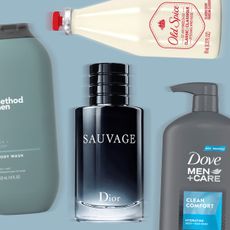 From Grooming Essentials to Personalized Photos, These Are the 14 Father's Day Gifts Dad Will Love
Sponsor Content Created With CVS
They start at just $10.
-
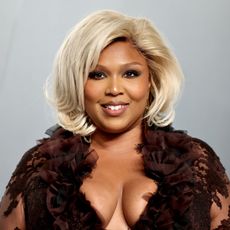 Lizzo's Cherry Red Manicure Screams "Bad B*tch"
The perfect summer color.
-
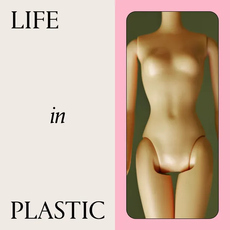 I Lost 60 Pounds on a GLP-1—So I Got a Tummy Tuck and Skinny BBL
Here's everything that happened with my plastic surgeries.
-
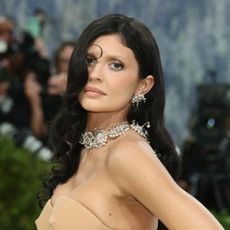 No One Remixes a French Manicure Better Than Kylie Jenner
The French tips queen.
-
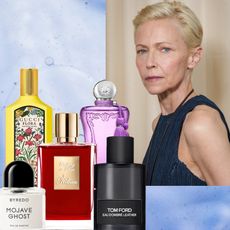 I Can't Walk a Block Without Someone Asking Me About My Perfume
These 10 luxury fragrances make up my entire collection.
-
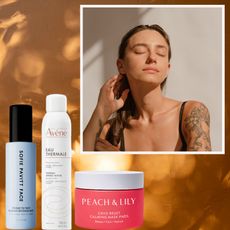 Cool Girl Summer Is Upon Us
High temperatures can wreck your skin, but these expert-recommended cooling products are here to calm things down.
-
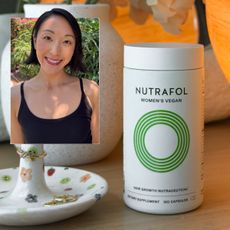 I Started Avoiding the Spotlight Because of My Hair—Here's What Helped Me Step Back Into It
Sponsor Content Created With Nutrafol
Content creator Kelly Uchima shares her experience with trichotillomania and hair damage, and what actually helped her see results.
-
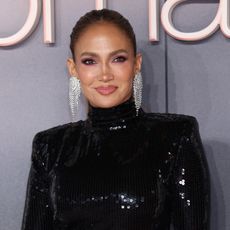 It Was Only Right For Jennifer Lopez's "Pink Velvet" Manicure to Match Her Pink Smokey Eye
A look fit for a lover girl.
-
 Zara Larsson's Hot Pink Manicure Is So Early 2000s-Coded
You can never go wrong with this shade.
-
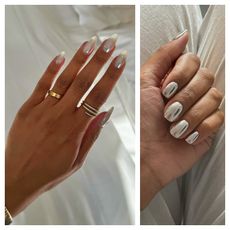 I Found 27 Chrome Nail Designs to Try—Because the Cool-Girl Manicure Never Goes Out of Style
Heavy metal or bust.
-
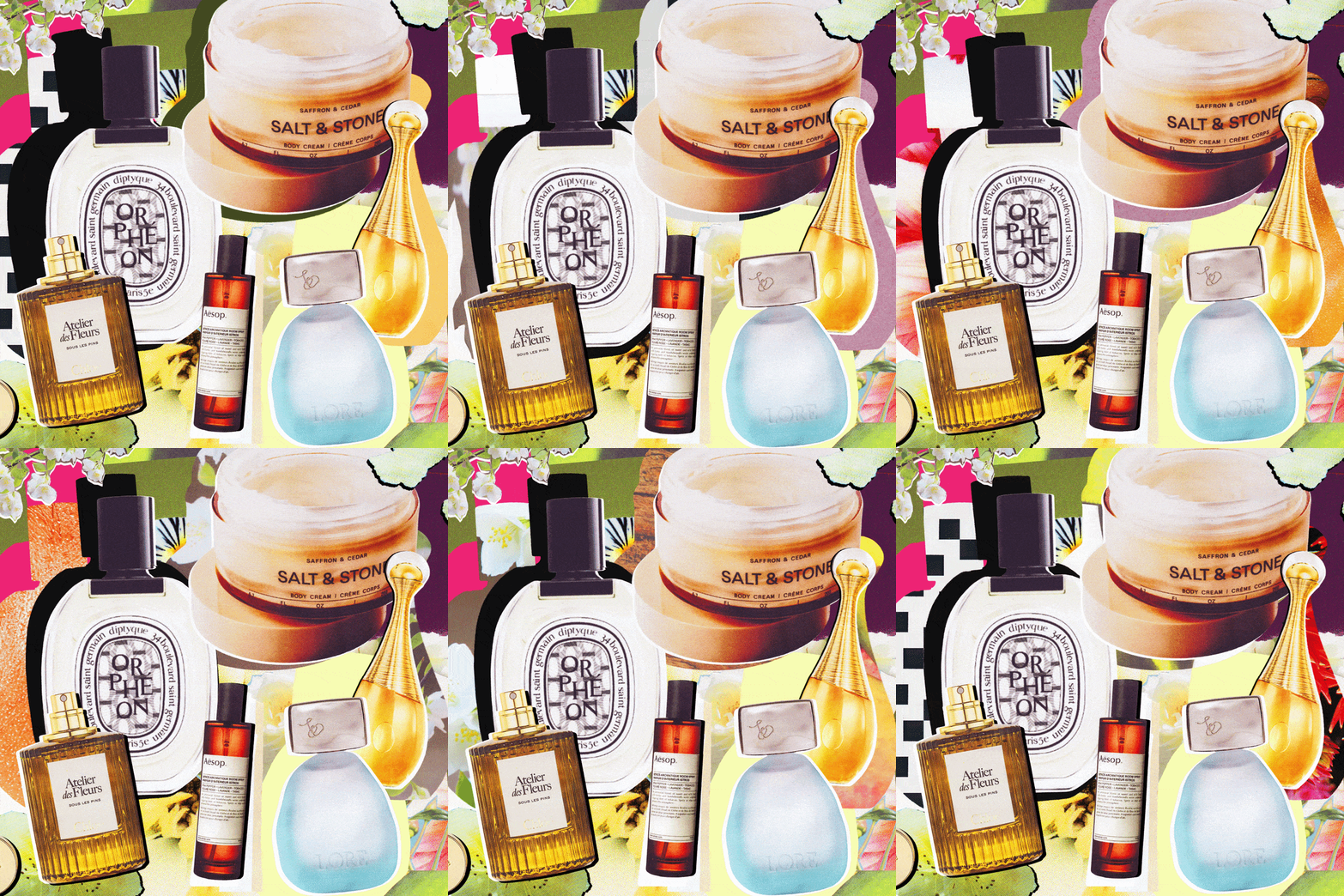 Our Team of Fragrance Snobs Unanimously Agree—These Are the 62 Best Scents of 2026
From vanilla candles to fruity eau de parfums, there's a product for every preference.
-
 Meet the Luxury Eye Gel That Finally De-Puffed My Tired Under-Eyes
A good night's sleep in a tube.
-
 I'm Swapping My Pricey Summer Perfume for the Season's Hottest Fragrance Trend
Your beauty budget will thank you.
-
 I’m a Beauty Director Who Takes Her Smile Seriously—This Is the Only Toothpaste I’ll Use
Sponsor Content Created With Sensodyne
I don't let sensitivity get in the way of brightening my teeth.
-
 I Can’t Stop Thinking About Queen Mary’s Trending Scarf Bun
More romantic than a slick back bun, but less complicated than a traditional chignon.
-
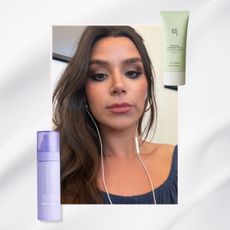 I Tested Every New Sunscreen That Launched in 2026—These 10 Are the Most Impressive
They’re weightless and have no white cast.
-
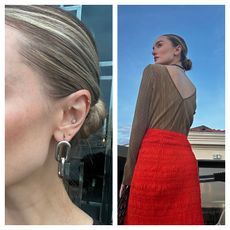 My Slick-Back Bun Routine Is Elite—Here's Everything I Use
Flyaways? Never heard of them.
-
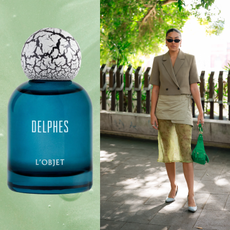 Summer’s Niche Fragrance Trend Is for the Dirty Martini Lovers
Savory and sensual.
-
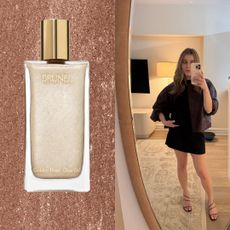 I Feel Like a Hotter Human the Second These Shimmer Body Oils Hit My Skin
Toned, hydrated, and glowy.


