
-
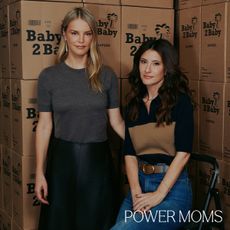 Inside the Baby2Baby Boom
The nonprofit run by Kelly Sawyer Patricof and Norah Weinstein is known for its A-list ambassadors and West Hollywood galas. But celebrity is just a means to an end, with the group donating half a billion items to the moms and babies who need them.
-
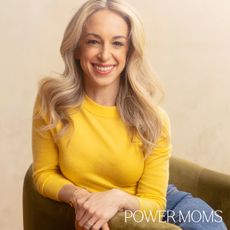 Meet Dr. Becky, the Millennial Parenting Guru Who Turned A Viral Instagram Post Into an Empire
The clinical psychologist opens up about her platform’s unexpected influence.
-
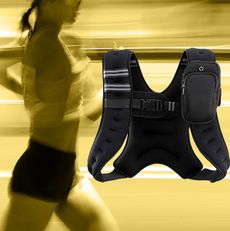 Meet the Fitness Trend That Might Actually Help You Age Better
Experts reveal the long-term benefits of wearable strength training.
-
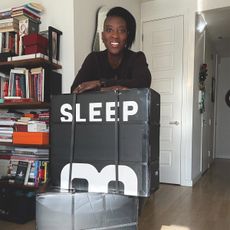 I Love to Sleep Hot and My Partner Loves to Sleep Cool—This Innovative Tool Lets Us Both Get Our Way
Sponsor Content Created With Eight Sleep
No compromise needed.
-
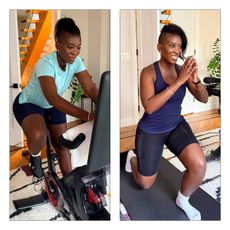 How the New Peloton Cross-Training Bike+ Helps Me Stay Consistent When My Schedule Is Anything But
Sponsor Content Created With Peloton
Our editor in chief's honest review of the new Cross-Training Bike+
-
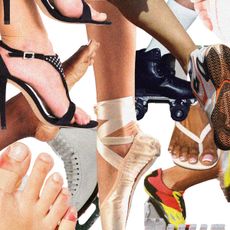 Want Better Feet? Look to Your Favorite Athletes
Why a sports pedicure is the best under-the-radar beauty service for nail girls in the know
-
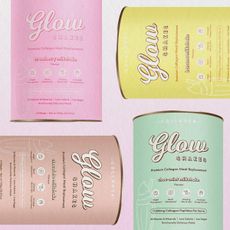 Sip, Glow, Repeat: The Cult-Favorite Drink That's Redefining Beauty Nutrition
Sponsor Content Created With The Collagen Co.
Treat yourself inside and out.
-
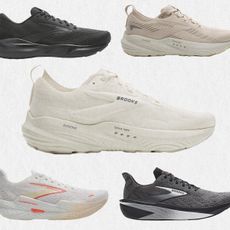 From Casual Jogs to Marathons, These Sneakers Will Help You Hit Your PR
Sponsor Content Created With Brooks
Elevate your performance.
-
 Entering Your Wellness Era in 2025? Here Are 15 Things to Get You Started
Even the smallest changes can make a big difference.
-
 Every Diet That Actually Works Has These 10 Traits in Common
According to health and nutrition experts.
-
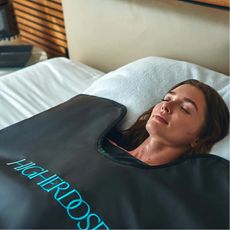 Your Serotonin Will Skyrocket After 20-Minutes in This Detox Blanket
Sweat it out on a daily basis.
-
 From Syrian Refugee to Two-Time Olympian
Yusra Mardini survived the unthinkable while fleeing her war-torn country. Then her dream of swimming in the Olympics came true.
-
 The Rise of the Middle-Age Athlete
Meet the competitors pushing their bodies beyond what is considered their "prime"—and winning.
-
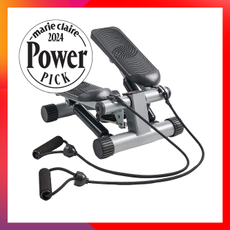 This TikTok-Famous Gadget Is My Secret to Hitting My Steps Goal
I no longer feel guilty about my desk job.
-
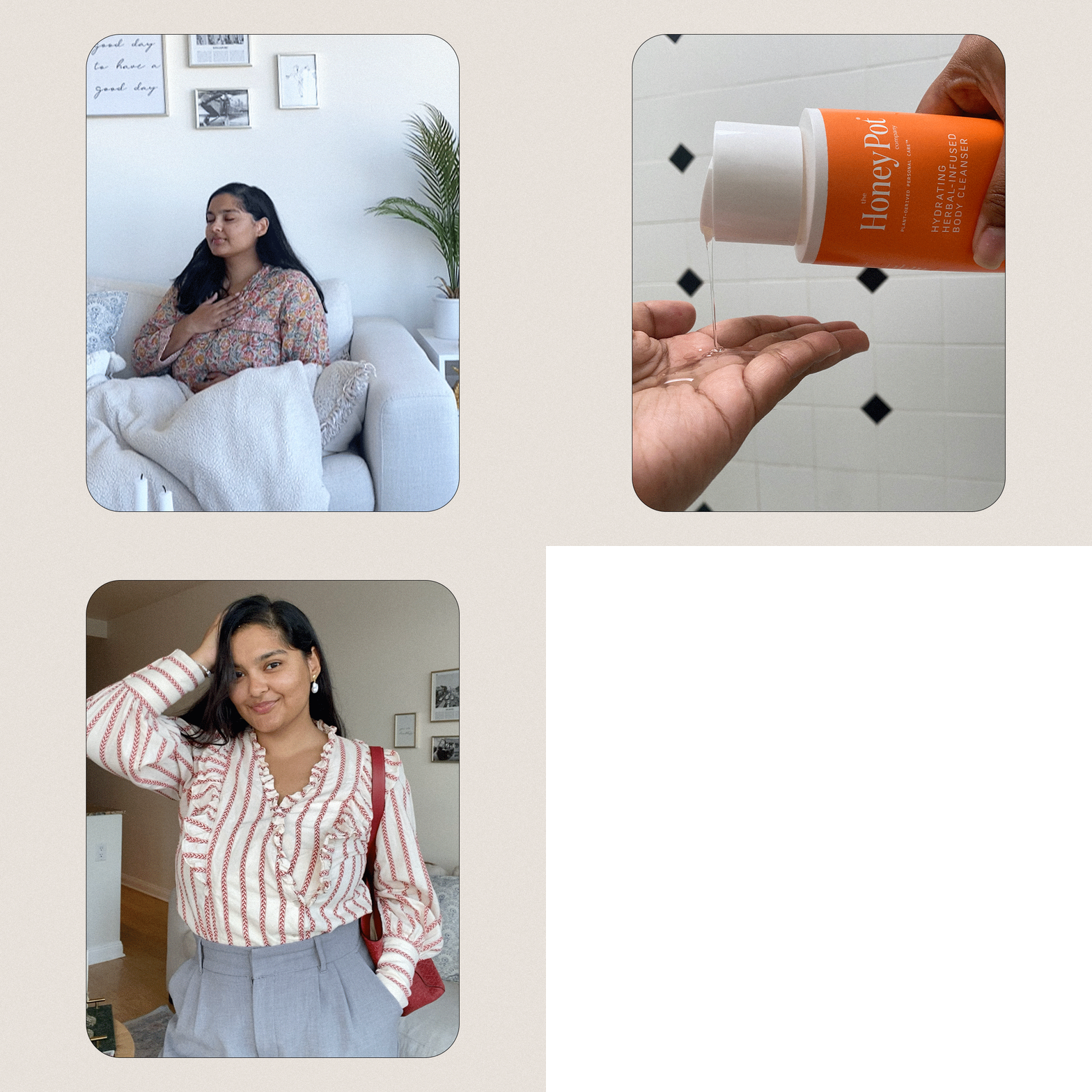 How I'm Redefining My Wellness Journey in 2024
Sponsor Content Created With The Honey Pot
-
 For a Complete Mind Shift, Go Hiking With Your Work BFF
Sponsor Content Created With Merrell
-
 Plant-Based Feminine Care Products for the Win
Meet the brand that disrupted the feminine care space.
-
 I Work Out 5 Days a Week—These Are the Brands I Wear on Repeat
Sponsor Content Created With Nordstrom
-
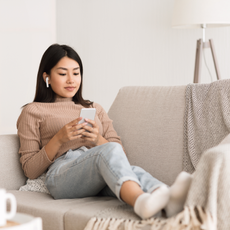 Supporting Your Mental Health Is Self-Care—Here’s Where to Start
We found the right tool.
-
 I Despised Working Out With Every Bone in My Body—Until I Tried ClassPass
It’s completely changed my approach to exercise.
-
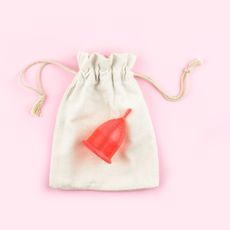 Eco-Friendly Period Products You'll Actually Use
Good for the planet, good for your wallet.
-
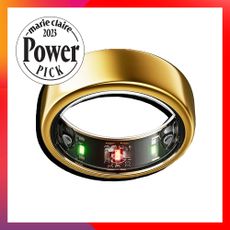 I Tested the Oura Ring Fitness Tracker Jennifer Aniston Loves—It Knew I Was Getting Sick Before I Did
Learn more about yourself by simply slipping on a ring.
-
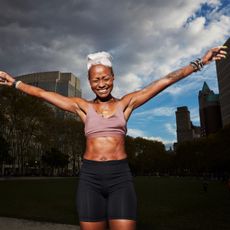 How #TeamMilk Is Sponsoring This Year’s Marathon Runners to Inspire The Next Generation of Women
MilkPEP’s 26.2 program recognizes the importance of empowerment. That’s why they invite every woman running the NYC Marathon to join #TeamMilk and support Girls on the Run.
-
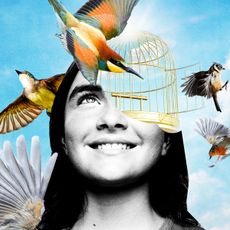 My OCD Diagnosis Set Me Free
Putting a label on my struggles has helped me make the illogical logical.
-
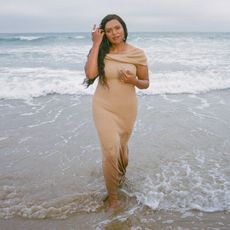 The Wellness Issue
Looking at women's health through a new lens.
-
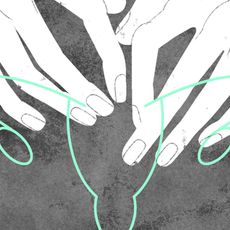 The Heaviness of Hysterectomy
Removal of the uterus can have consequences that go far beyond the physical.


