
You are now subscribed
Your newsletter sign-up was successful
Want to add more newsletters?

Delivered daily
Marie Claire Daily
Get exclusive access to fashion and beauty trends, hot-off-the-press celebrity news, and more.

Sent weekly on Saturday
Marie Claire Self Checkout
Exclusive access to expert shopping and styling advice from Nikki Ogunnaike, Marie Claire's editor-in-chief.

Once a week
Maire Claire Face Forward
Insider tips and recommendations for skin, hair, makeup, nails and more from Hannah Baxter, Marie Claire's beauty director.

Once a week
Livingetc
Your shortcut to the now and the next in contemporary home decoration, from designing a fashion-forward kitchen to decoding color schemes, and the latest interiors trends.

Delivered Daily
Homes & Gardens
The ultimate interior design resource from the world's leading experts - discover inspiring decorating ideas, color scheming know-how, garden inspiration and shopping expertise.
In the wake of Selena Gomez's confession that most of the hair on her head was not her own last month, I got to explore the ins and outs of hair extensions. Two of my biggest takeaways were that 1) Good quality is paramount and 2) They *will* cost you.

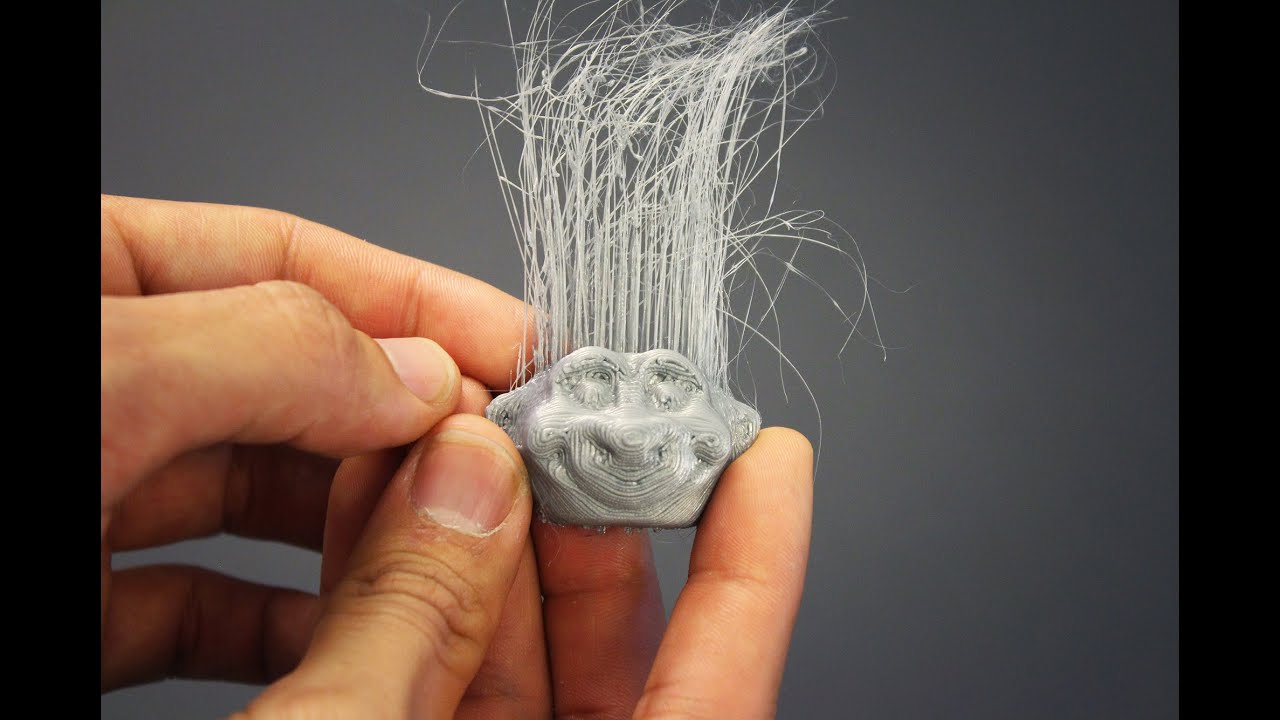
And while I'm still totally mystified by how 3D printers actually work, when I learned that they're now printing actual, totally real hair through a process called furbrication (Carnegie Mellon University researchers insist this is a real word), I didn't immediately question it.
In fact, I wondered could this be the future of hair extensions? And more importantly, did this technology have the power to make quality hair pieces more affordable?

Alas, it's not that simple. While you can produce hairs of different colors, thickness, and lengths that can be cut, braided, and styled like human hair, these strands are, in fact, plastic—requiring no more than a regular 3D printer and flexible plastic material to be made.

They may look the part for the tiny toy trolls and horses currently donning the sample strands, but what separates these fibers from the synthetic platinum blonde doll hairs on Barbie's head? I'm not exactly sure.
Follow Marie Claire on Instagram for the latest celeb news, pretty pics, funny stuff, and an insider POV.