
For the first time in the Metropolitan Opera's 143-year history, it will premiere an opera composed by a woman. Lincoln in the Bardo—an adaptation of George Saunders' novel, which imagines Abraham Lincoln visiting his deceased son's spirit at his grave—opens on Monday, October 19, featuring music by Missy Mazzoli and a libretto by Royce Vavrek.
The premiere marks a major turning point for the New York artistic institution, and classical music as a whole. It's also a full-circle moment for Mazzoli, who has long advocated for gender equity in the industry. For instance, beyond writing her visceral, genre-defying pieces, the three-time Grammy nominee has worked to break down barriers by launching initiatives like the Luna Composition Lab, which mentors emerging female and non-binary composers.
Mazzoli is known for defying convention—from her electronic-influenced art to also performing in an indie band and working as a death doula—so it only makes sense that she credits women-fronted punk bands as a primary source of inspiration for her operas. To coincide with Lincoln in the Bardo's premiere, she's shared an exclusive essay with Marie Claire about female musicians who broke barriers before her and helped get her to the Met.
If you ask most people to describe an opera composer, they’ll come up with some mashup of Mozart, Verdi and Puccini—an inscrutable European man sporting a powdered wig, elaborate ascot or ornate stockings, who, regardless of the particulars, is most assuredly dead. People generally don’t picture a New York-based woman in her 40s who surfs on the weekends, loves dirty martinis and Freddie Mercury, and has a penchant for vintage fashion (minus ascots and wigs). But that is me, and for the past 15 years, I’ve made a life and a career as a composer, largely for the operatic stage. I’m about to premiere my seventh opera, Lincoln in the Bardo, at the Metropolitan Opera, making me the first woman to have a world premiere at the Met in its 143-year history.
I came to opera via a long path that started with MTV circa 1989. For a young girl living in rural Pennsylvania, MTV was a window to a fabulous and unregulated world. I was shocked and delighted to see people being their extravagant, rebellious selves, without fear or apology. Guns N’ Roses, Bon Jovi, The Cure, Bikini Kill, L7, The Breeders, Sonic Youth, Siouxsie and the Banshees—they made videos that were weird, extreme, heightened. They dramatized romance and betrayal and lust and longing and anger in grand style, and I was quickly hooked. These videos were not realistic, but they felt more in sync with my dramatic adolescent emotional state than anything else. The women of early MTV in particular—Siouxsie Sioux, Kim Gordon, Kathleen Hanna, Debbie Harry—were my idols. They were loud, expressive, smart. My dreams at that time were simple: I wanted to be one of these women, marry Jon Bon Jovi, and dedicate my life to making music.
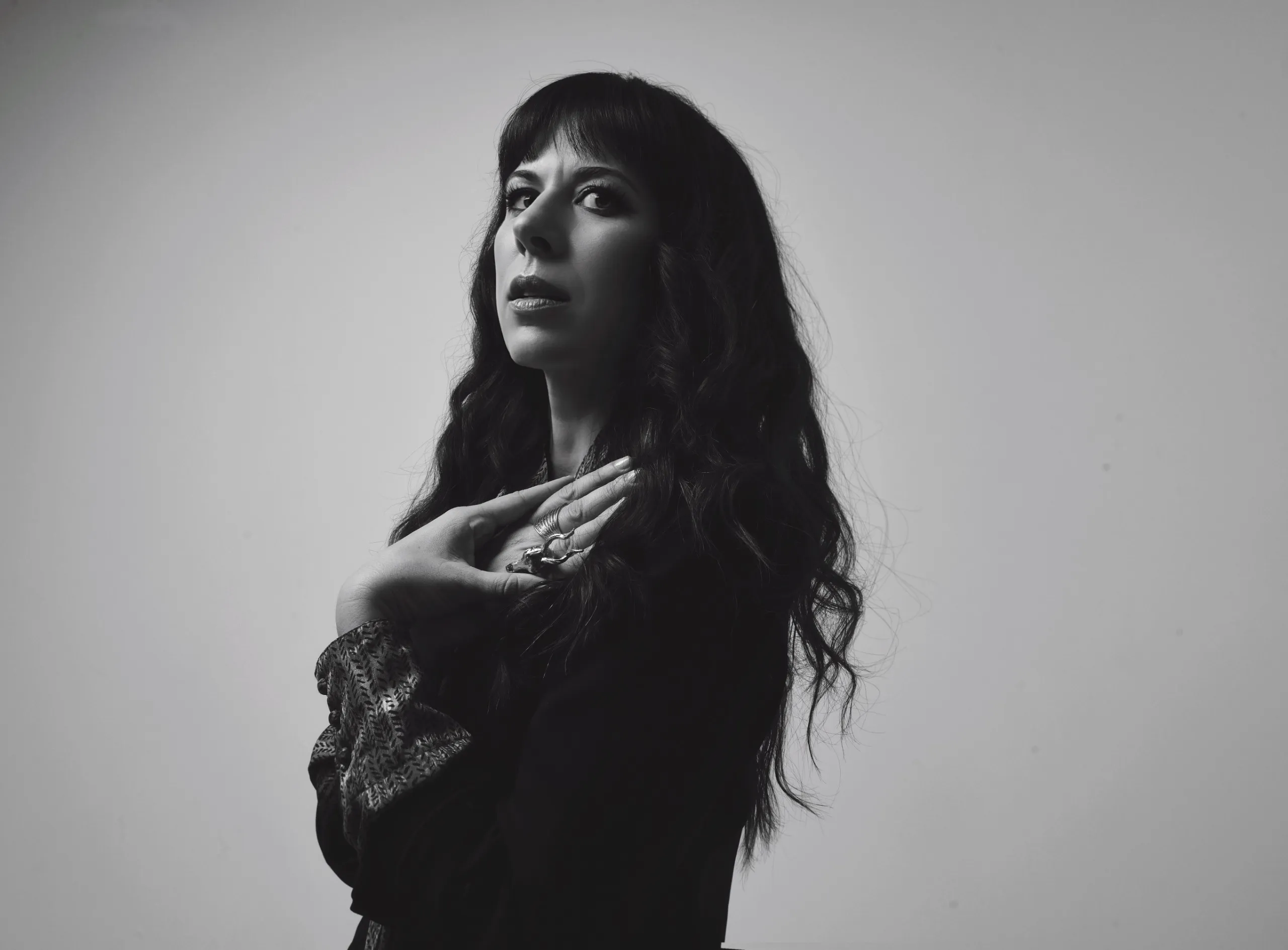
Mazzoli has earned three Grammy nominations and was named Musical America's 2022 Composer of the Year honoree, among other accomplishments.
I took piano lessons like most kids, played percussion in the middle school band, started punk bands in high school, and eventually found my way to composition. I started by writing chamber and solo music, largely for myself to play, then expanded into orchestral music and film scoring. In my late 20s, I wrote my first opera, Song from the Uproar, with librettist Royce Vavrek, who has been my writing partner ever since. At first, we sheepishly called it “a work of music theater,” opera being the domain of aforementioned dead men in powdered wigs. A darker truth was that I didn’t feel qualified to write opera—who in their right mind does?! At the time, I didn’t know of a single female opera composer in history who had been celebrated. I just couldn’t picture it.
It was at this point that MTV came to my rescue, yet again.
I thought back to the rebellious spirit of early music videos, a spirit that shaped me more than I’d ever realized. I might feel fully at home in the world of opera, but I knew what it meant for a woman to create musical drama. I knew what it meant for her to wear her heart on her sleeve, for her to feel things in a loud and exaggerated way, and to then combine all the art forms into one expressive burst on stage or screen. I had been absorbed in those stories for hours every day between 1989 and 1993. I started to see the connection between opera and MTV, between the rebellious spirit of women in punk, rock and hardcore and the borderline insane confidence needed to make massive works of theater. Royce and I had created an opera, and it was time to be a little more like Siouxsie Sioux and take up some space without excuse or apology. I started to see opera as music video, and vice versa. Somehow, in their exaggeration of life, opera and music videos access authentic truths about what it means to be human. I sensed this as a kid and now, after working in the operatic world for nearly two decades, I know it to be true.
I thought back to the rebellious spirit of early music videos, a spirit that shaped me more than I’d ever realized. I might feel fully at home in the world of opera, but I knew what it meant for a woman to create musical drama.
All that said, I still feel like an outlier in opera. Only four women in history have had operas performed at the Metropolitan Opera: Ethel Smyth, Kaija Saariaho, Jeanine Tesori, and Gabriela Lena Frank. Female and non-binary composers make up only about 7 percent of composers performed by major orchestras, and the numbers are far lower for opera. Yes, progress is being made—the Met and many other opera companies and orchestras have shown a dramatically increased commitment to female creators—but the numbers in all areas of classical music remain bleak.
On Monday, I will get ready while listening to my “getting psyched for big things” playlist, which includes all my musical heroes of the ’80s and ’90s as well as some new ones—Brandi Carlile, Mannequin Pussy, and Wet Leg among them. That night the number of women to have written operas for the Met will rise to five. There will be no powdered wigs, just a woman with her heart on her sleeve, daring to be her strange, rebellious, extravagant self.