Why the Weighted Vest Trend Might Actually Help You Age Better
Experts reveal the long-term benefits of wearable strength training.


If you’ve spent any time on fitness-Tok recently or live in a city where trends seem to manifest overnight, you’ve probably noticed the rise of weighted vests on walks, hikes, and during strength training routines. But why? Well, put simply, weighted vests are an easy way to bring strength training into your everyday life. The added resistance increases the challenge of any activity— even low-impact movements like walking—which helps to maintain muscle mass without the need for heavy equipment.
That said, weighted vests aren’t exactly new. Trainers and athletes have used them for years as part of their strength training routines, but the trend never quite hit the mainstream until now. The Bala Bangle to weighted vest pipeline, some might say.
Before you click purchase, it’s worth thinking about how this will actually fit into your routine. Will it become part of your everyday movement, or end up collecting dust alongside the foam roller you swore you’d use? Weighted vests can be incredibly effective, but they’re not one-size-fits-all. The right approach depends on how heavy it is, how long you wear it, and the type of movement you pair it with.
Article continues belowTo find out if this trend is really worth the hype, I spoke with board-certified surgeons, physical therapists, and personal trainers about what weighted vests actually do for your body and how to use them safely.
Why Strength Training Matters for Women
According to board-certified spine surgeon Saad Chaudhary, MD, strength training is incredibly beneficial for women as they age because it helps counter many of the physiological changes that occur over time. Women in their late thirties and beyond, especially those who are perimenopausal, can lose 3–8 percent of their muscle mass per decade (the horrors persist). “Weight training can stimulate muscle synthesis and preserve and rebuild muscle stock,” explains Dr. Chaudhary. “Moreover, weight-bearing activities and strength training can counteract rapid bone loss and help combat osteopenia and osteoporosis by creating mechanical stress that promotes bone density and reduces bone resorption and loss.”
How Can Weighted Vests Help?
Physical therapist Dan Ginader, PT, DPT, explains that women are not only more at risk for reduced bone density but are also statistically less likely to engage in regular strength training. “Weighted vests are an easy and accessible way to add resistance to bodyweight exercises,” he says. “If you’re primarily working out at home and doing movements like squats, lunges, or push-ups, a weighted vest can be a great way to add resistance and build strength.”
ACE-certified trainer Alex Silver-Fagan calls weighted vests “such an underrated tool” because they add resistance to movements you’re already doing without requiring a full gym setup. That added load helps maintain and build muscle in a functional way, which becomes increasingly important as we age. “I love them because they make resistance training more accessible, and you can work on strength, posture, and stability in ways that feel natural and sustainable.”
Dr. Chaudhary adds that several groups can benefit from incorporating a weighted vest into their routine, even on an intermittent basis. These include postmenopausal women, those with osteopenia or osteoporosis, older adults looking to prevent frailty, and anyone with limited gym access or time constraints.
How Weighted Vests Help Your Bones and Balance
Weighted vests can help slow bone loss by increasing the amount of weight and pressure placed on the torso and bones. “Exposing your skeleton to controlled and increased weight and load stimulates the bone-forming cells and inhibits the cells that resorb bone,” says Dr. Chaudhary. “Routine use of a vest in daily activities can have a modest effect in diminishing bone loss and fending off osteoporosis.”
He adds that a weighted vest can strengthen the core and lower-body muscles, which play a key role in maintaining balance and reducing fall risk. “A weighted vest can lead to stronger core muscles (key muscles of the spine, trunk, and pelvic region) and lower extremity muscles resulting in improved balance and minimizing fall risks,” he says.
However, Dr. Ginader notes that while weighted vests are an effective way to add resistance, they may not be the most targeted tool for improving posture or balance on their own. “Anybody can benefit from resistance training, and it’s best to start as soon as you can instead of waiting to fall into an ‘at-risk’ group,” he says.
Can Weighted Vests Replace the Gym?
If you’re someone who doesn’t want to splurge on a pricey gym membership or prefers to exercise outdoors or at home, a weighted vest can transform simple movements into a full-body workout. Silver-Fagan says, “You can take movements you already know, like push-ups, step-ups, or even a simple walk, and suddenly make them strength sessions.”
However, OMORPHO weighted vest founder Stefan Olander notes that these vests are not meant to completely replace traditional strength training. Instead, they enhance what you’re already doing, helping you build strength in a more accessible and sustainable way.
How to Use a Weighted Vest Safely
Before you strap on a weighted vest, it’s important to make sure your body can handle the added resistance. Dr. Ginader recommends starting small. “First become fully comfortable performing exercises without one. Once you can do that, start with a light vest around five to 10 pounds and slowly build up from there,” he says.
Dr. Chaudhary agrees that gradual progression is key. “It is optimal to start light, allow the body to accommodate, and make adjustments over time to enhance the musculoskeletal benefits of training while minimizing the risk for injury,” he explains. “I would advise starting fairly light at 2-5 percent of your body weight. Avoid high-impact movements including jumping and repetitive twisting. Start with 15 to 20 minutes, then increase duration gradually.”
Weighted vests make resistance training more accessible, and you can work on strength, posture, and stability in ways that feel natural and sustainable.
Alex Silver-Fagan
Silver-Fagan adds, “Once you’re comfortable walking with it, start layering the vest into bodyweight movements you already feel confident doing before adding anything high-impact. Focus on posture and core engagement first. It’s not about pushing harder, it’s about moving better.”
However, Olander advises anyone with pre-existing injuries or joint concerns to check with a medical expert before adding external load. Dr. Chaudhary notes that certain conditions require caution or complete avoidance, including a history of spinal compression fractures, significant spinal stenosis or disc herniations, advanced osteoporosis, and more.
So, Are Weighted Vests Worth It?
Whether you’re in your early twenties and just starting your fitness journey or trying to maintain muscle mass as you age, a weighted vest offers a simple way to strengthen muscles and bones without putting extra strain on your joints. “Weighted vests provide a means to gently increase loads to the musculoskeletal system with a larger surface area of weight distribution across the torso,” says Dr. Chaudhary. "Using this device for everyday activity or gentle weight-bearing exercises can optimize the muscle and bone-building benefits without stressing the joints.”
Silver-Fagan adds that form and awareness are everything. “If you have back, joint, or balance concerns, talk to a trainer or physical therapist first. Start light, move with control, and stay aware of your alignment.”
A weighted vest won’t magically fix your posture (shoulders back) or turn you into a powerlifter overnight, but it’s an easy way to level up your daily walk and add a little more challenge to your routine without overdoing it.

Available in multiple colorways and weight options ranging from six to 30 pounds, this is a great entry point into the world of weighted vests. No matter your body type or gender, it features adjustable buckle straps for a secure, comfortable fit.
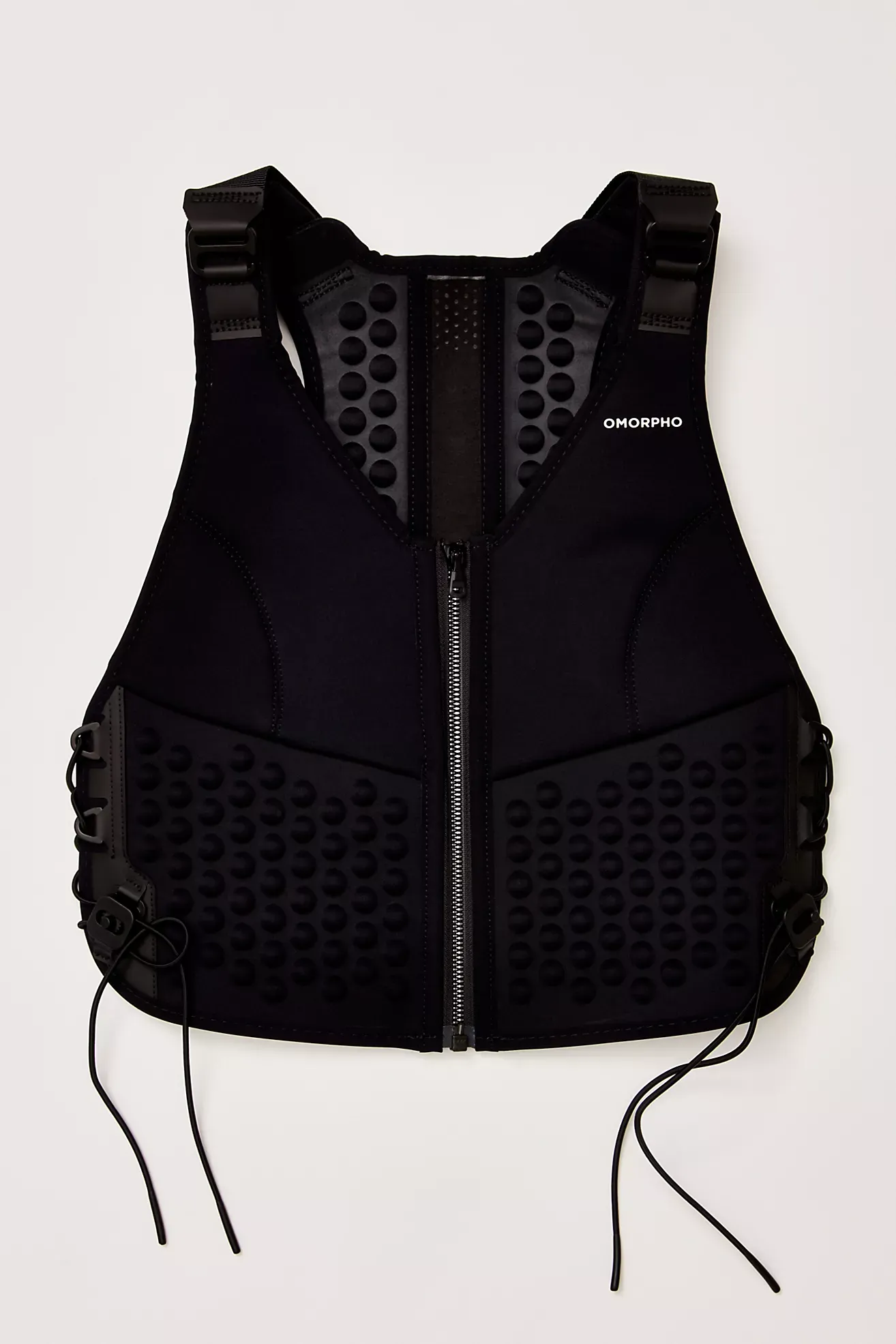
If you’re someone who sticks to a routine, it might be worth investing in a weighted vest that will last for years. This one is pricier than other options, but the quality speaks for itself. Designed specifically for the female physique, the G-Vest from OMORPHO offers a tailored fit for women looking to add extra resistance to their workouts.

Ranging from 20 to 150 pounds, this vest can be fully customized, with weights that can be added or removed at any time to suit your workout. It also includes a phone pocket and water bottle holder for an added bonus.

If you want a slower way to ease in, this vest starts at four pounds and goes up to 30. It features two wide adjustable straps for a secure fit and extra shoulder padding to keep things comfortable during longer workouts.

Available in 11 shades, including pink, lilac, and royal blue, this vest doubles as a fashion statement. It comes in weights ranging from 5 to 30 pounds and is crafted from breathable, high-flexibility neoprene material for comfort and ease of movement.
Why Trust Marie Claire
For more than 30 years, Marie Claire has been an internationally recognized destination for news, fashion, and beauty trends, investigative packages, and more. When it comes to the products Marie Claire recommends, we take your faith in us seriously. Every product that we feature comes personally recommended by a Marie Claire writer or editor, or by an expert we’ve spoken to firsthand.
Meet the Experts

Saad Chaudhary, M.D., M.B.A., is a board-certified spine surgeon specializing in minimally invasive and complex spine surgery. He serves as Co-Director of the Spine Surgery Fellowship and Associate Professor of Orthopaedic Surgery at the Icahn School of Medicine at Mount Sinai in New York.

Dan Ginader, D.P.T., is a physical therapist and the author of The Pain-Free Body.

Alex Silver-Fagan is an ACE-certified personal trainer, yoga instructor, and fitness coach.

Stefan Olander is the founder and CEO of OMORPHO, a fitness brand specializing in micro-weighted training gear
