Alcohol-Free Fragrances Are Everywhere In 2026, From Body Mists to Solid Oils
Perfume experts add some context to the fragrance industry's biggest trend.

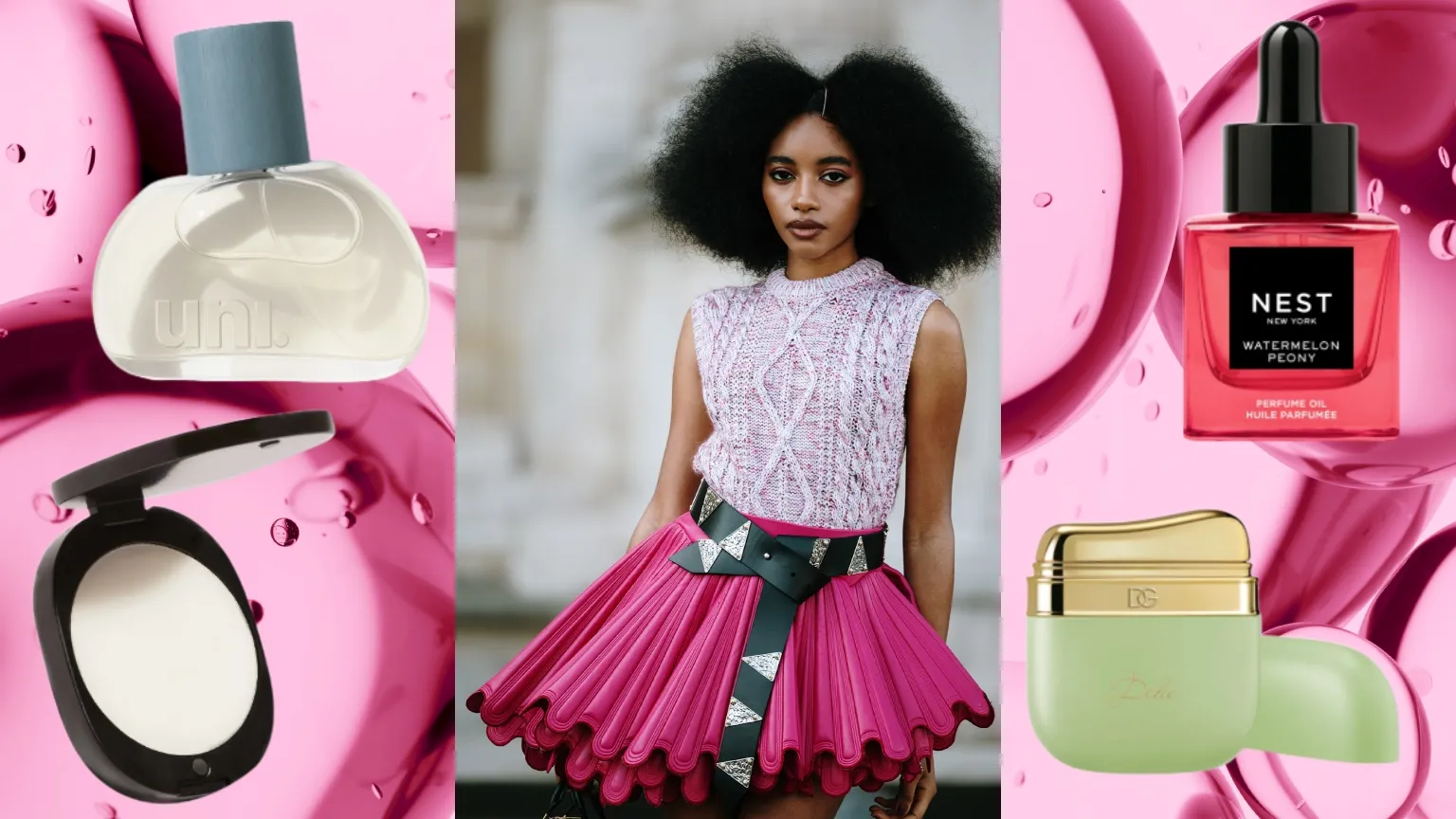
First came the body mists. It’s not that these were the first alcohol-free fragrances ever made—perfume oils and solid formats have been around for centuries, if not millennia—but suddenly it seemed like everyone was adding these lighter, often more-affordable scents to their lineups.
“We saw a huge uptick in alcohol-free fragrances one to two years ago with the big boom of body mists,” Charlene Valledor, a product developer and co-founder of the brand incubation firm SOS Beauty, confirms. “One of the things that people didn't love about spraying these mists all over your body was that there was always a big waft of alcohol. We were trying to minimize that.”
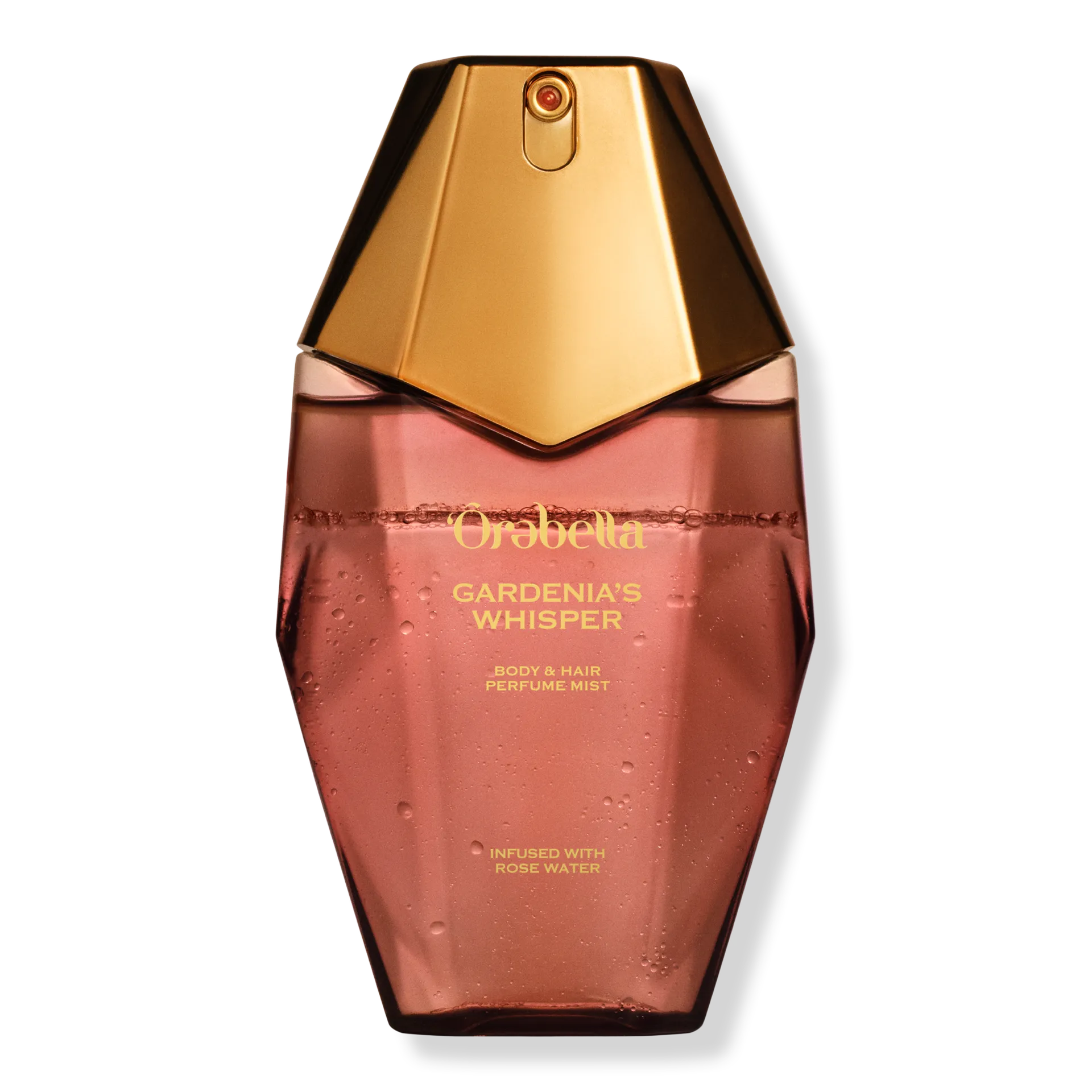
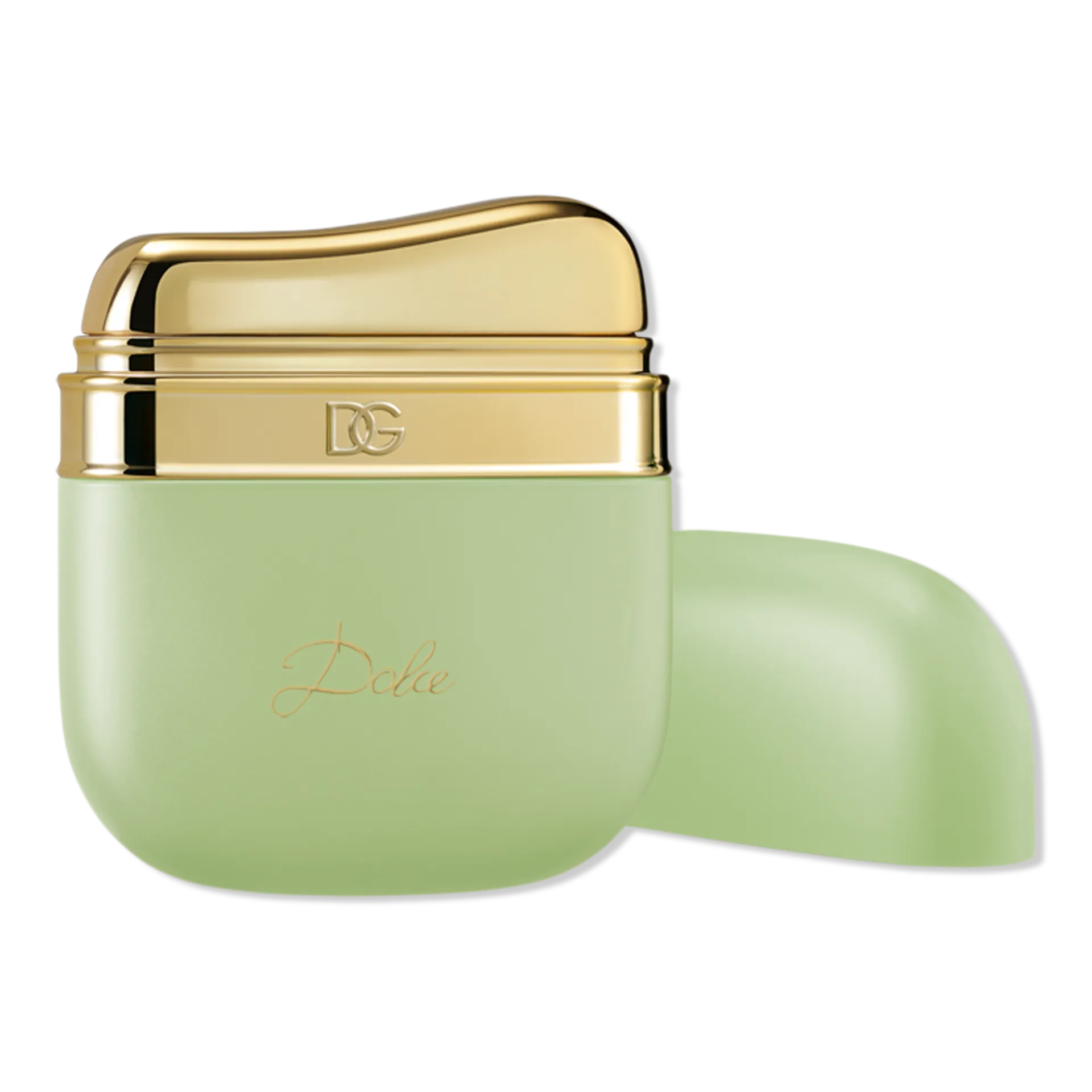
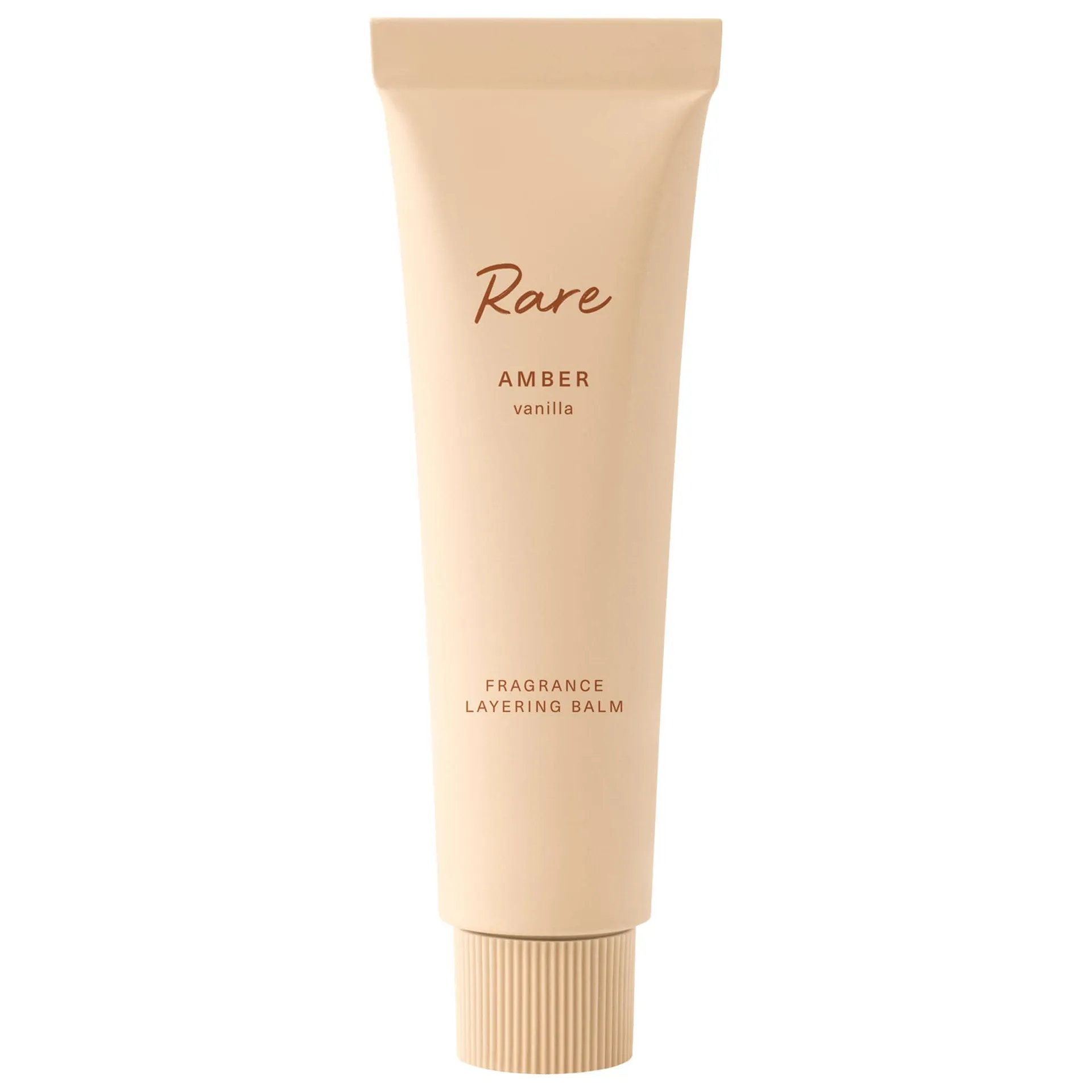
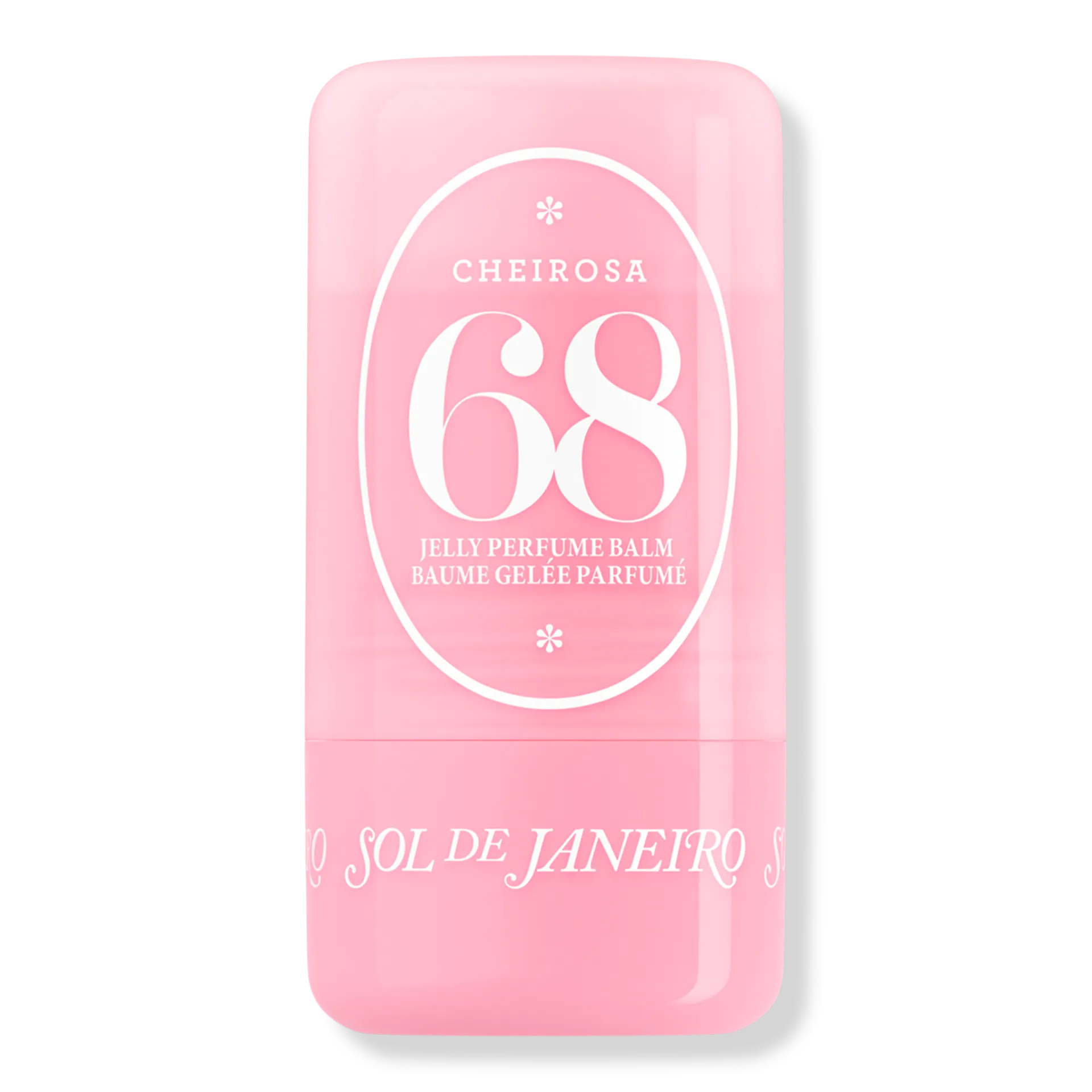
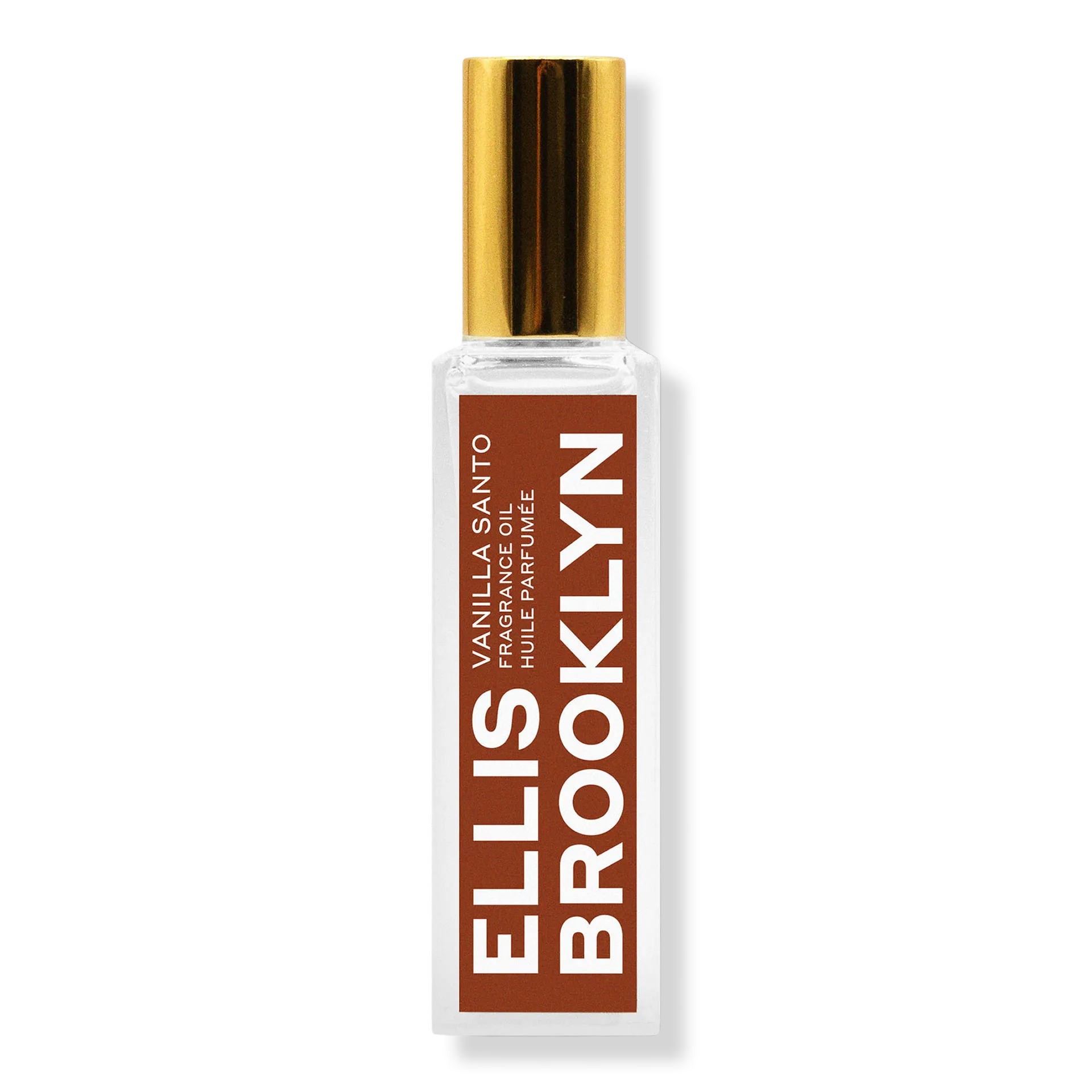
In 2026, fragrance as a whole is a huge category. It seems like every other pitch that lands in my inbox is for an alcohol-free product. Some of these are spray-on formulas, like the aforementioned body mists or low-concentration eaux fraîches. Others are roll-on perfume oils and gels, many of which still contain benzyl alcohol despite being labeled alcohol-free. “[Benzyl alcohol] is an aromatic alcohol, not a volatile beverage alcohol (ethanol) and can be used in products labeled ‘alcohol-free,’” Bee Shapiro, founder of Ellis Brooklyn, explains. And in addition to the increasingly common balms, solid perfumes now come in fun jelly form.
But ditching the alcohol and still making an effective fragrance product isn’t exactly easy. It’s widely reported that perfumers first started using alcohol in their formulas around the Middle Ages, and they’ve largely stuck to the process since. Alcohol acts as a highly effective solvent, meaning it helps blend the perfume oils and water and all the other ingredients you need for a fragrance into one cohesive liquid. “[Alcohol] is the easiest way to solubilize 18 percent or more of fragrance oils,” cosmetic chemist Krupa Koestline says, explaining that 18 percent is the minimum amount of oil you need for a perfume to be considered a perfume. “If you take alcohol out of the mix, you have to solubilize so much oil into water. It’s very hard to do.”
Alcohol, which is lighter than water, dries quickly (or “flashes off,” as perfumers say) and doesn’t leave behind any lingering scent or residue. Valledor explains that this is what helps create a nice, airy cloud of fragrance that lands evenly on your skin. It’s also true that scents without alcohol tend to have less staying power, both in terms of day-to-day wear and how long they’ll last on your shelf. “Traditional alcohol fragrance acts as almost an adhesive, for lack of a better word,” Valledor says. Since it’s easier to dissolve a higher concentration of fragrance oils into an alcohol-based formula, there are more pure perfume molecules to stick to the skin, which makes it last longer. Formulas without alcohol can separate more easily and deteriorate more quickly, notes Frank Voelkl, principal perfumer at dsm-firmenich.
The way alcohol helps perfume oils stick to your skin is also what allows the fragrance to develop throughout the day. “[With an alcohol-based perfume,] you will see very nicely the evolution of the fragrance’s top note, mid-note, and base note,” Voelkl says. When you remove the alcohol, “the fragrance sits much more on your skin rather than evolving … [so] the experience is a bit more linear.”
A roll-on oil or solid balm is... a bit more of a gentle experience than a mist of alcohol. It’s a little bit more relaxing.
Charlene Valledor
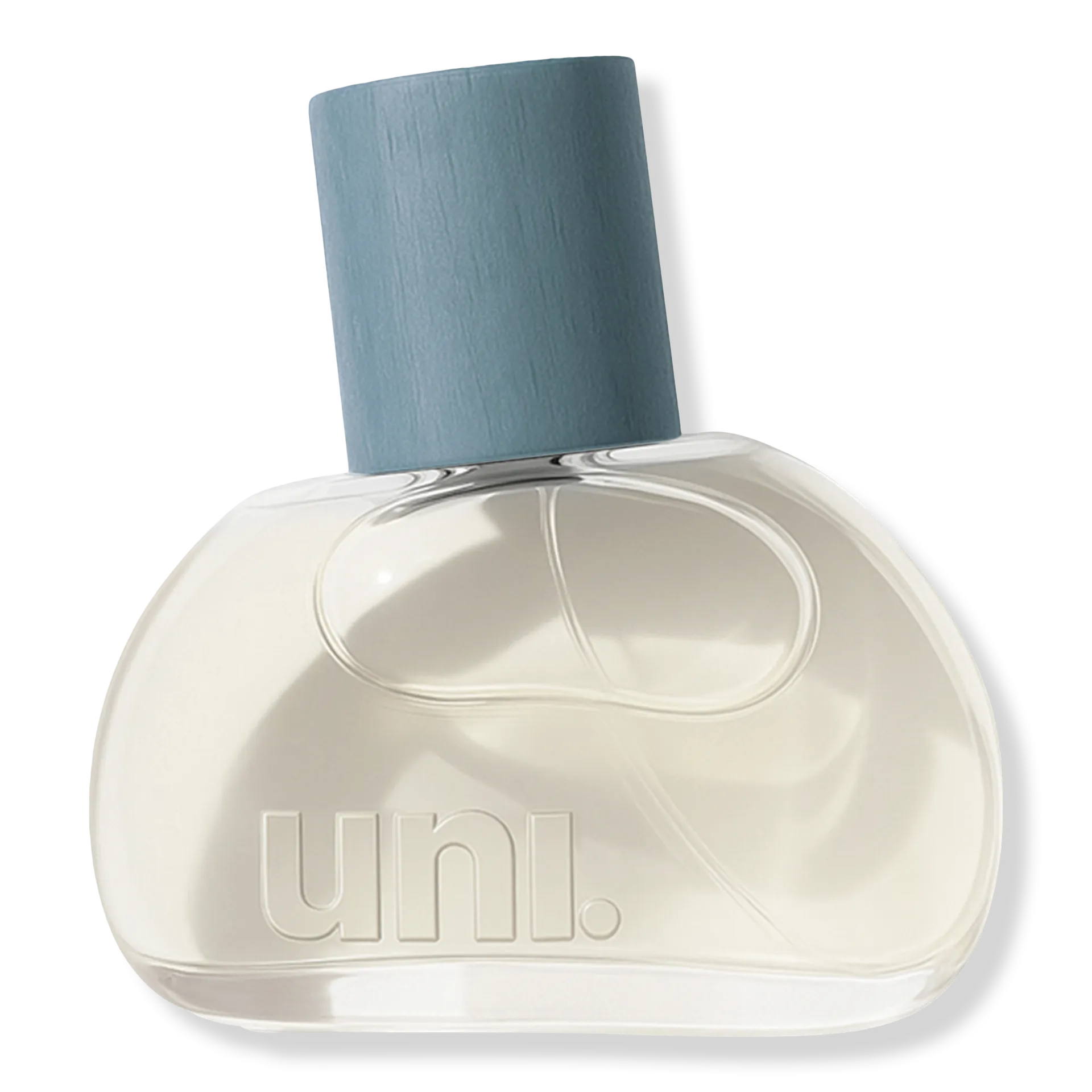
So why would someone want to get rid of this fantastic, experience-enhancing solubilizer? For starters, alcohol is quite drying, which can be irritating to some. “People like me who have dry skin don’t want alcohol anywhere near them,” Koestline says. Alexandra Keating confirms that that was a big reason why she wanted the first fragrance from her brand, Uni, to be an alcohol-free formula. “We’re a hydration brand,” Keating says. “We didn’t want you using products on your hair or your skin that were going to dry you out.” Keating is also one of the many people who, anecdotally, say that alcohol-free formulas don’t trigger their migraines the way traditional eau de parfums do.
But a touch of dryness at the scene of your spritz is likely not the only driver behind the alcohol-free trend. “I think overall there is a desire for personalization,” Voelkl says. “People like to layer different formats.” One plus side of that more “linear” experience you get from alcohol-free versions is that it makes them a predictable base to start with before adding an ever-evolving eau de parfum or cologne on top.
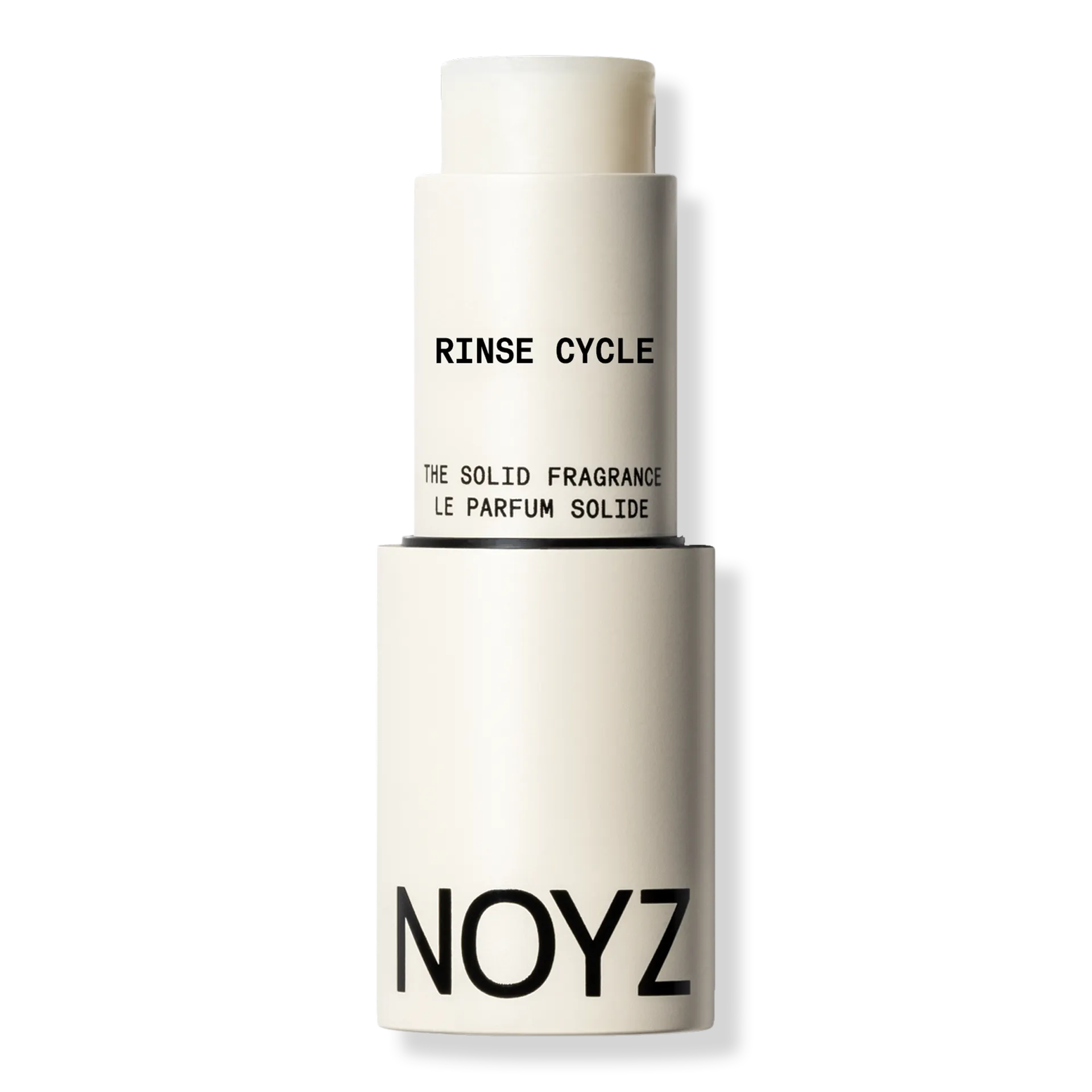
You might also prefer the ritual of some of these alternative formats. “A roll-on oil or solid balm has a different experience,” Valledor says. “It’s a bit more of a gentle experience than a mist of alcohol. It’s a little bit more relaxing.” These types of products—which are usually smaller and/or a solid formula that isn’t subject to TSA’s 3-1-1 liquid rule—also lend themselves better to travel than a big bottle of EDP, Voelkl points out.
There are some decidedly less-sexy factors that could be driving the trend well. Alcohol is considered a hazardous material, which creates limitations for manufacturing and shipping. “When you have a traditional fragrance with alcohol, you’re super limited in where you can manufacture it,” Valledor says. WIth an alcohol-free format, “you now have a wider network of contract manufacturers that can fulfill your product and you can ship it without any hazmat [restrictions.]”
Regardless of why a brand might decide to eschew alcohol, the technology to do so has undoubtedly gotten better. Keating says Uni’s water-based perfumes were formulated with ingredients that allow them to have “basically an EDP level” of fragrance load: one is 26 percent oil and the other is at 32 percent.
“A lot of the raw ingredient suppliers and fragrance houses have been working on different ways to get that fragrance adhesion on the skin and give that very even diffusion of fragrance without alcohol,” Valledor confirms. “There are more and more aqueous solutions that are able to carry tiny droplets of fragrance in them.” She says that alcohol is still the superior solvent, but, paired with “a really good sprayer that gives you that super fine mist,” these newer alcohol-free formulas can come pretty close.
Shop the Best Alcohol-Free Fragrances
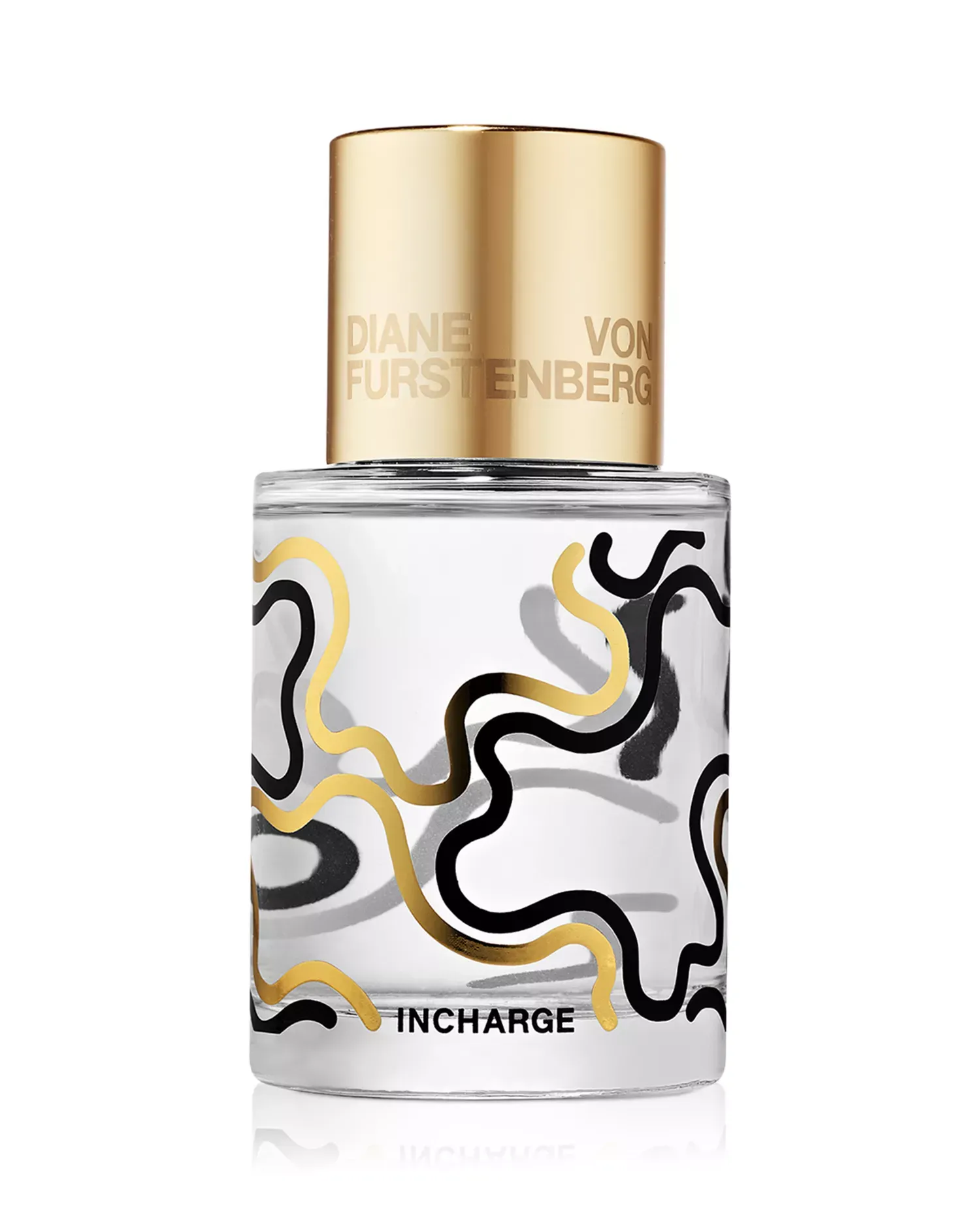
Water-Based Fragrances
Perfume Gels & Balms
Solid Perfumes
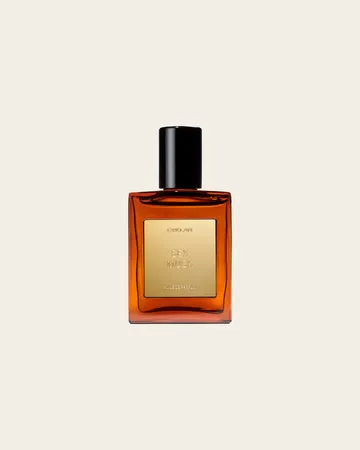
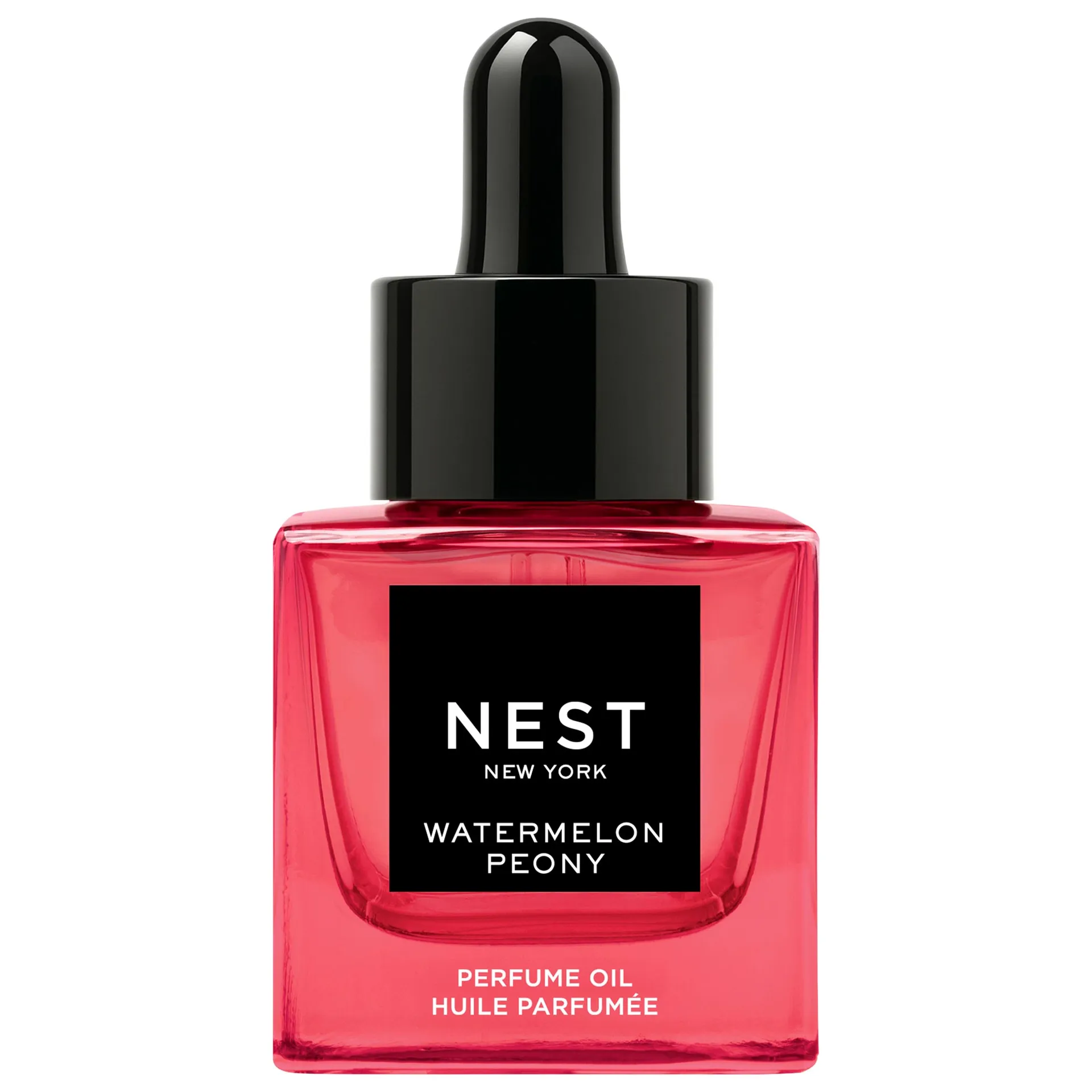
Perfume Oils
Why Trust Marie Claire
For more than 30 years, Marie Claire has been an internationally recognized destination for news, fashion, and beauty trends, investigative packages, and more. When it comes to the products Marie Claire recommends, we take your faith in us seriously. Every product that we feature comes personally recommended by a Marie Claire writer or editor, or by an expert we’ve spoken to firsthand.
Meet the Experts

As a product developer and branding strategist, Charlene Valledor, co-founder of SOS Beauty, specializes in creating innovative and meaningful product experiences that turn customers into instant brand ambassadors and die-hard fans. With a love for both science and storytelling, she creates brand platforms that marry product innovation and authentic messaging that shine through at every consumer touchpoint.

Bee Shapiro, beauty journalist and New York Times columnist, founded Ellis Brooklyn to prove that clean fragrance could be just as seductive, complex, and uncompromising as anything in the luxury market.
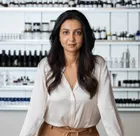
Krupa Koestline is a cosmetic chemist, biotech innovator, and founder of KKT Labs, a clean beauty formulation lab building next-generation actives, delivery systems, and patent-pending ingredients for indie and global beauty brands. With a master's in biology and biotechnology, she pairs lab-grade science with a lifelong practice of Ayurveda. The 2024 recipient of the Florence Wall Women in Cosmetic Chemistry Award, Krupa is on a mission to make biotech-driven R&D accessible beyond the conglomerates.

Frank Voelkl is a principal perfumer at dsm-firmenich. Born in Germany, his interest in scent deepened during the years he spent abroad in the Netherlands and France. A graduate of ISIPCA, Frank has created many popular fragrances, including Le Labo Santal 33 , Glossier You, Ellis Brooklyn Florist, and Phlur Father Figure.
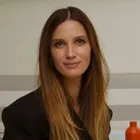
Australian born, Los Angeles based Alexandra Keating is the founder and CEO of Uni, an ocean powered luxury bodycare brand formulated with marine biotechnology and coastal inspired fragrances designed for high performance skincare and a sensorial experience. Keating was shaped by a global upbringing and a deep rooted desire to leave the world better than she found it, which is reflected in Uni, a brand that blends her Australian roots with the wellness and luxury culture of Los Angeles.