Nature Invented It First. Fashion Made It an Art Form
From butterfly wings and flower petals to seashells and animal markings, the natural world has been influencing the way we dress for centuries.


Fashion has always been preoccupied with the past, endlessly revisiting and reinterpreting what came before. But some of its most enduring references belong to a history far older than fashion itself. The symmetry of a butterfly's wings, the irregular markings of a leopard, the delicate architecture of a flower in bloom. Long before these forms found their way onto fabric, nature had already perfected them.
For centuries, designers have drawn from this seemingly inexhaustible source of inspiration, translating the natural world into intricate embroideries, elaborate textiles, and even the shapes of garments themselves. Christian Dior looked to the structure of flowers when conceiving his New Look, while Elsa Schiaparelli found unlikely beauty in the insect world. Alexander McQueen took the idea further, imagining clothes that seemed less inspired by nature than born of it.
Yet nature's influence isn't always so obvious. It can be found in the overlapping folds of a skirt, the iridescence of a textile, or the organic curve of a sleeve. Sometimes it announces itself in a riot of color and pattern; other times, it's almost imperceptible. What follows is a study of the forms, textures, and patterns that have shaped the way we dress, and the designers who continue to find new ways of seeing what has been there all along.
Of Birds and Butterflies
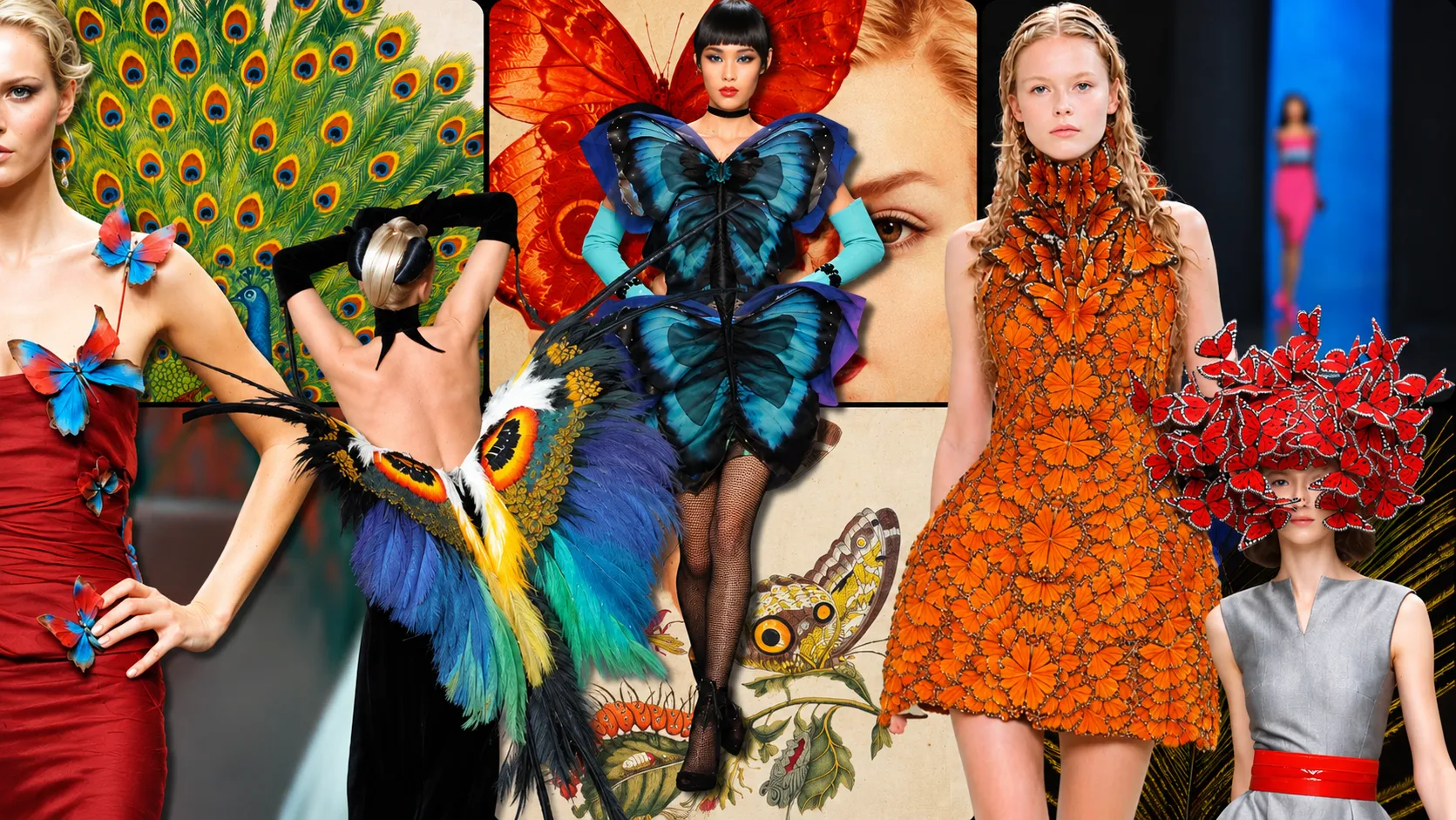
From Schiaparelli's surrealist butterfly motifs to Alexander McQueen's dramatic plumage and Jean Paul Gaultier's winged creations, designers have transformed the delicate patterns and extraordinary anatomy of birds and butterflies into wearable works of art.
For much of fashion history, feathers were a sign of extravagance. Ostrich plumes adorned the hats of fashionable women during the Belle Époque, while elaborate feathered fans and evening gowns became fixtures of high society. The appetite for exotic plumage was so great that it helped drive the hunting of wild birds, eventually prompting some of the earliest organized efforts to protect them.
By the 20th century, feathers had become an art form in the couture ateliers of Paris. Yves Saint Laurent brought a sense of theatricality to eveningwear with his feathered creations, while Jean Paul Gaultier frequently incorporated plumage into his fantastical couture designs. At Valentino, Pierpaolo Piccioli used feathers to create extraordinary volume and color, transforming traditional embellishment into something closer to sculpture.
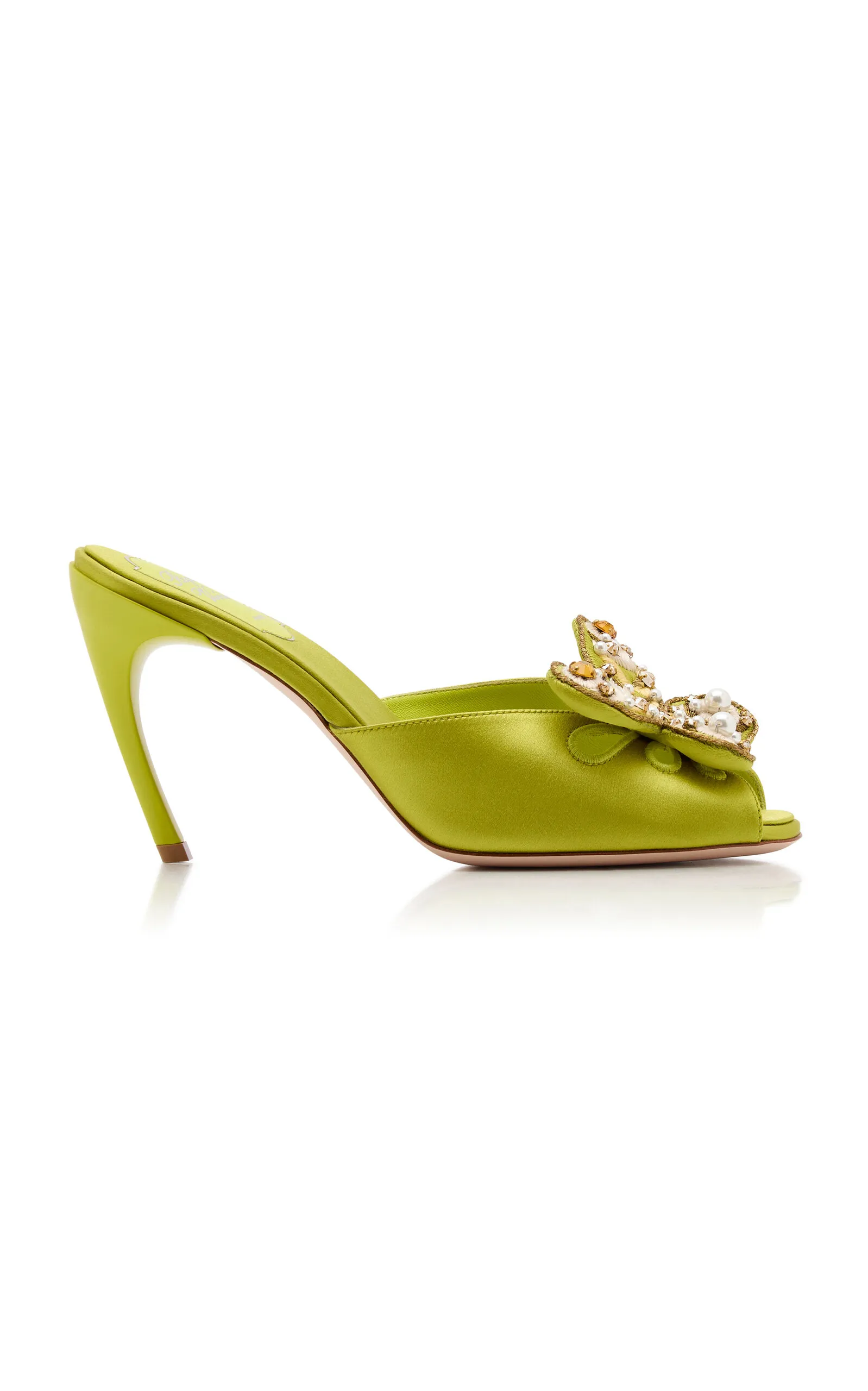
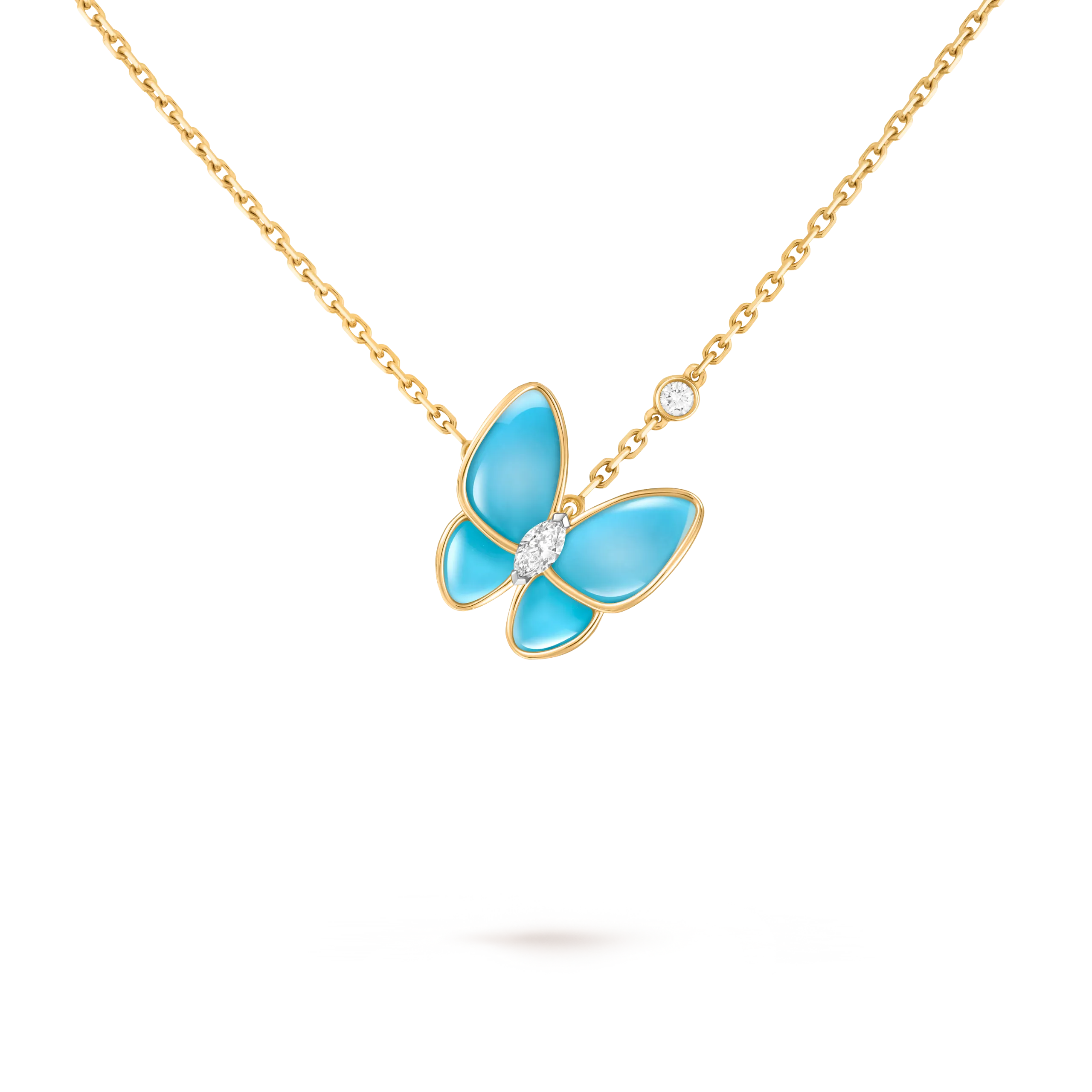
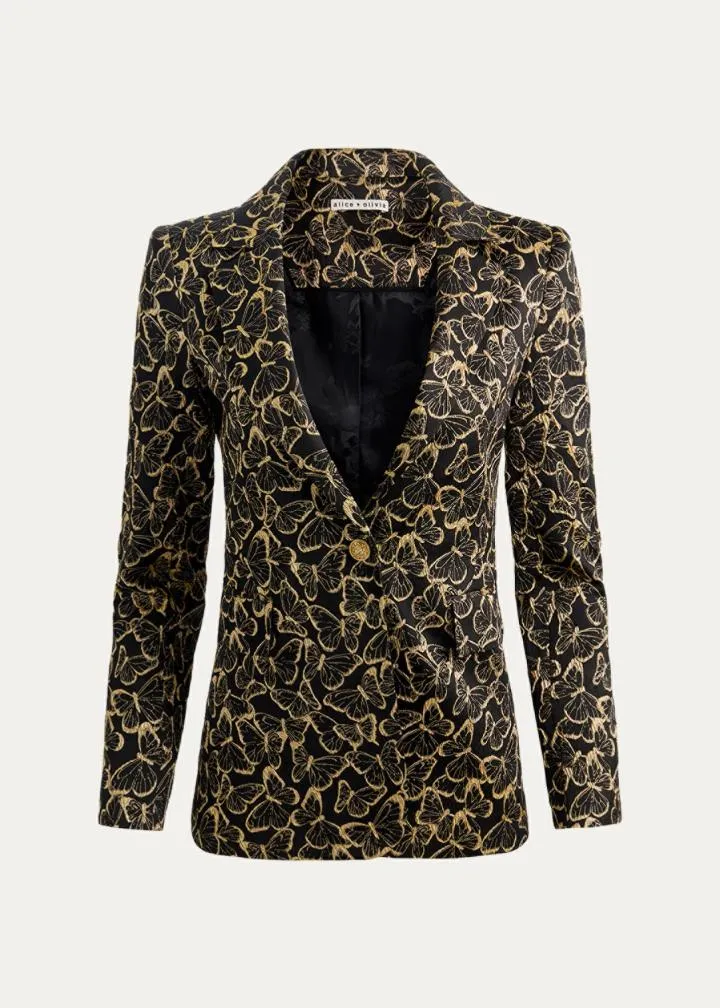
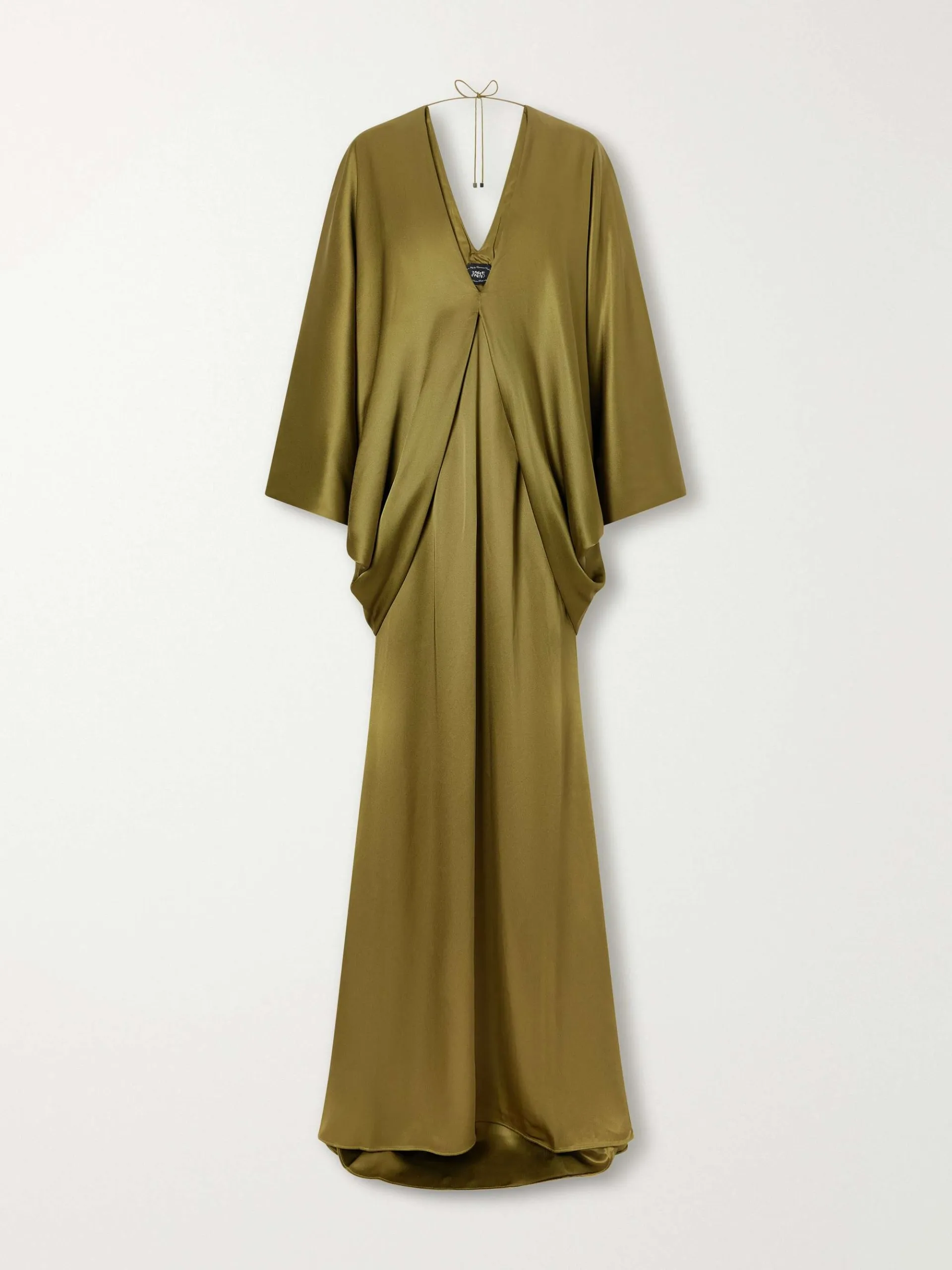
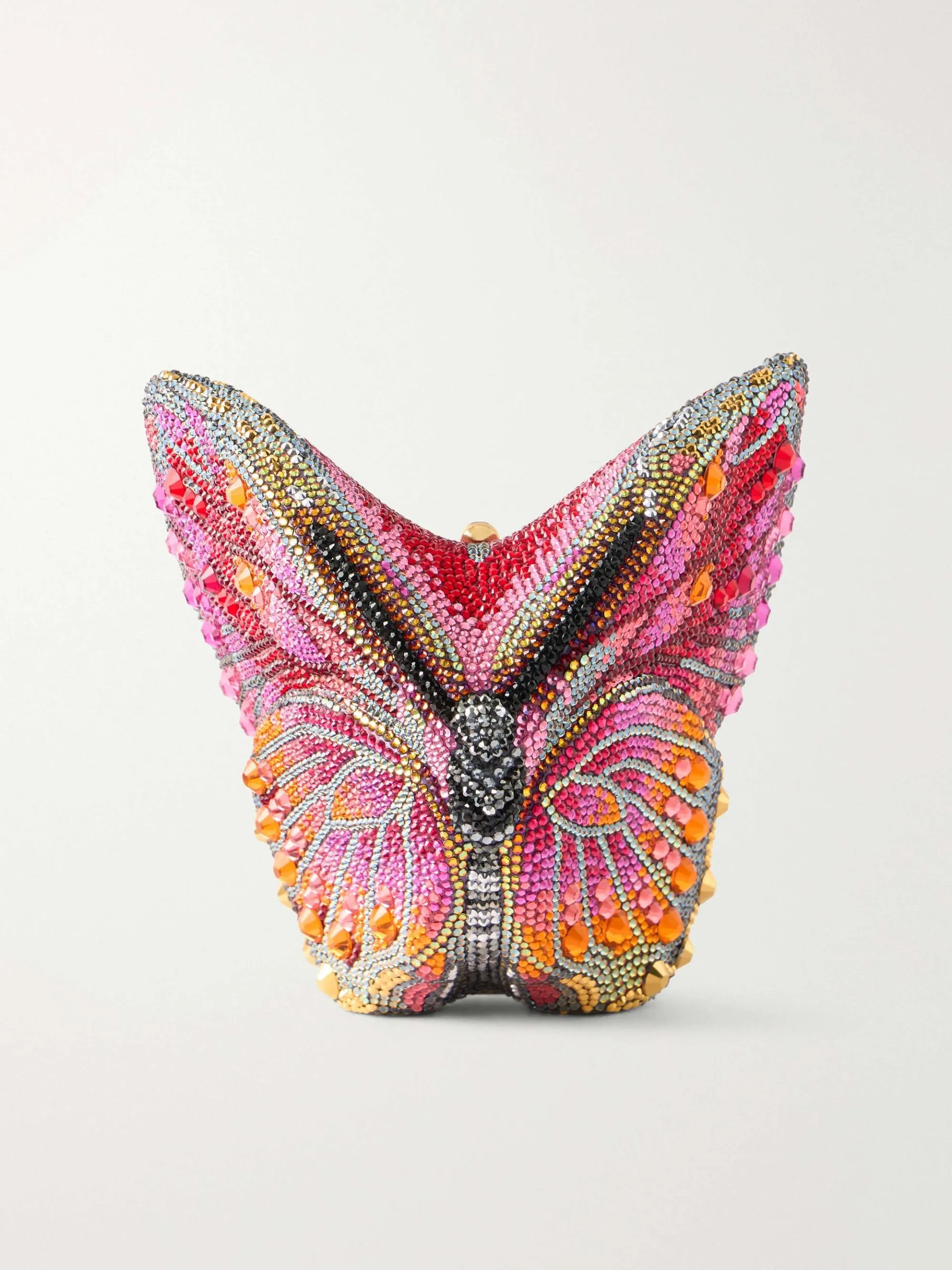
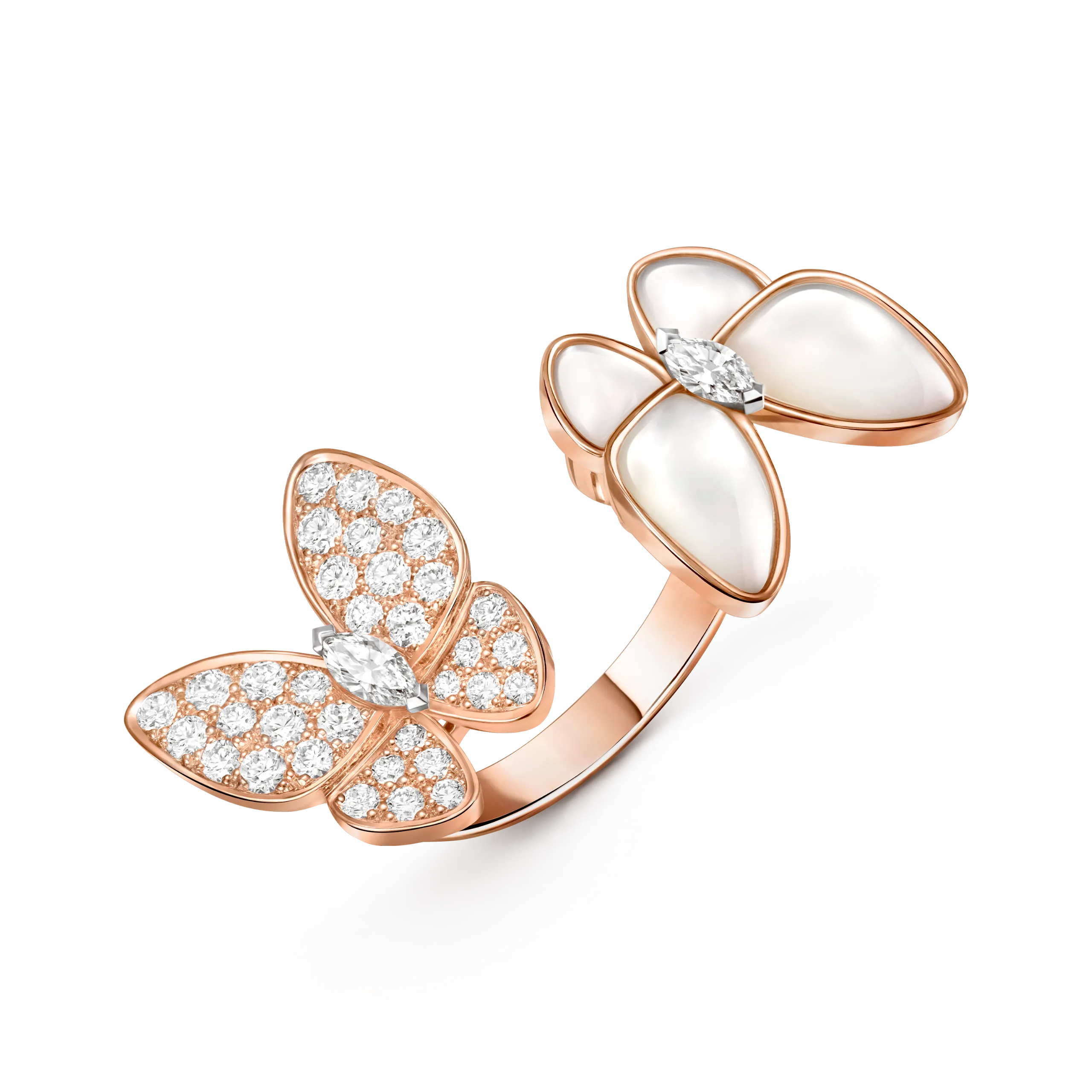
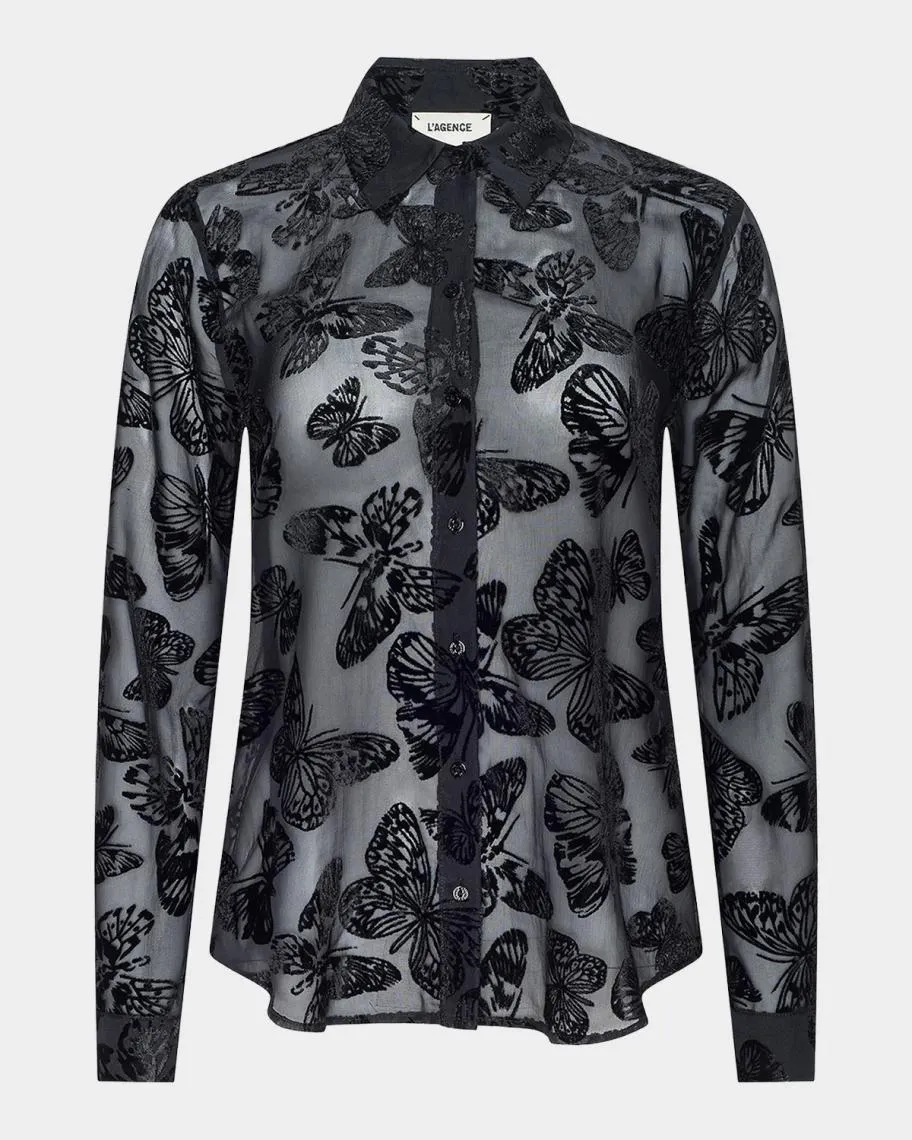
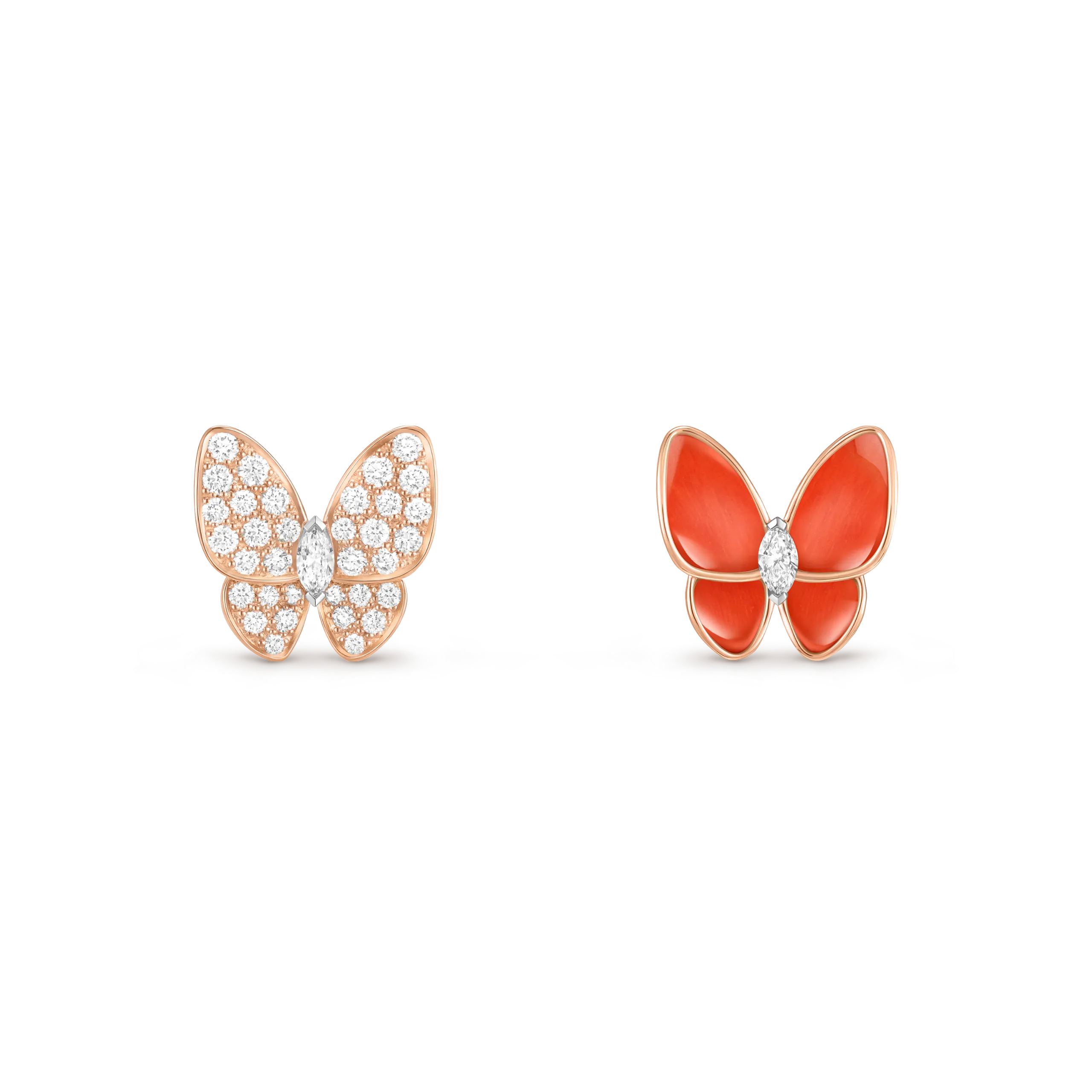
Butterflies, meanwhile, have inspired a different kind of experimentation. For Spring 1995, Karl Lagerfeld incorporated butterfly motifs into Chanel's exuberant mix of prints and accessories. In fine jewelry, Van Cleef & Arpels has made the butterfly a recurring motif, capturing the delicacy of its wings in precious stones and gold. More recently, designers have experimented with the insect's distinctive silhouette, translating outstretched wings into dramatic capes, intricate embroidery, and elaborate eveningwear. At their most ambitious, these creations capture something of the fleeting beauty of a creature that spends much of its life preparing for a moment of flight.
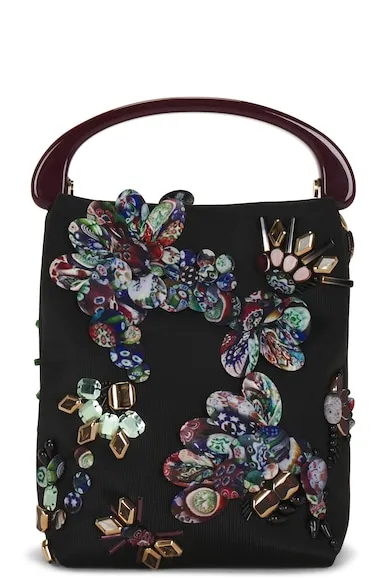
In Full Bloom
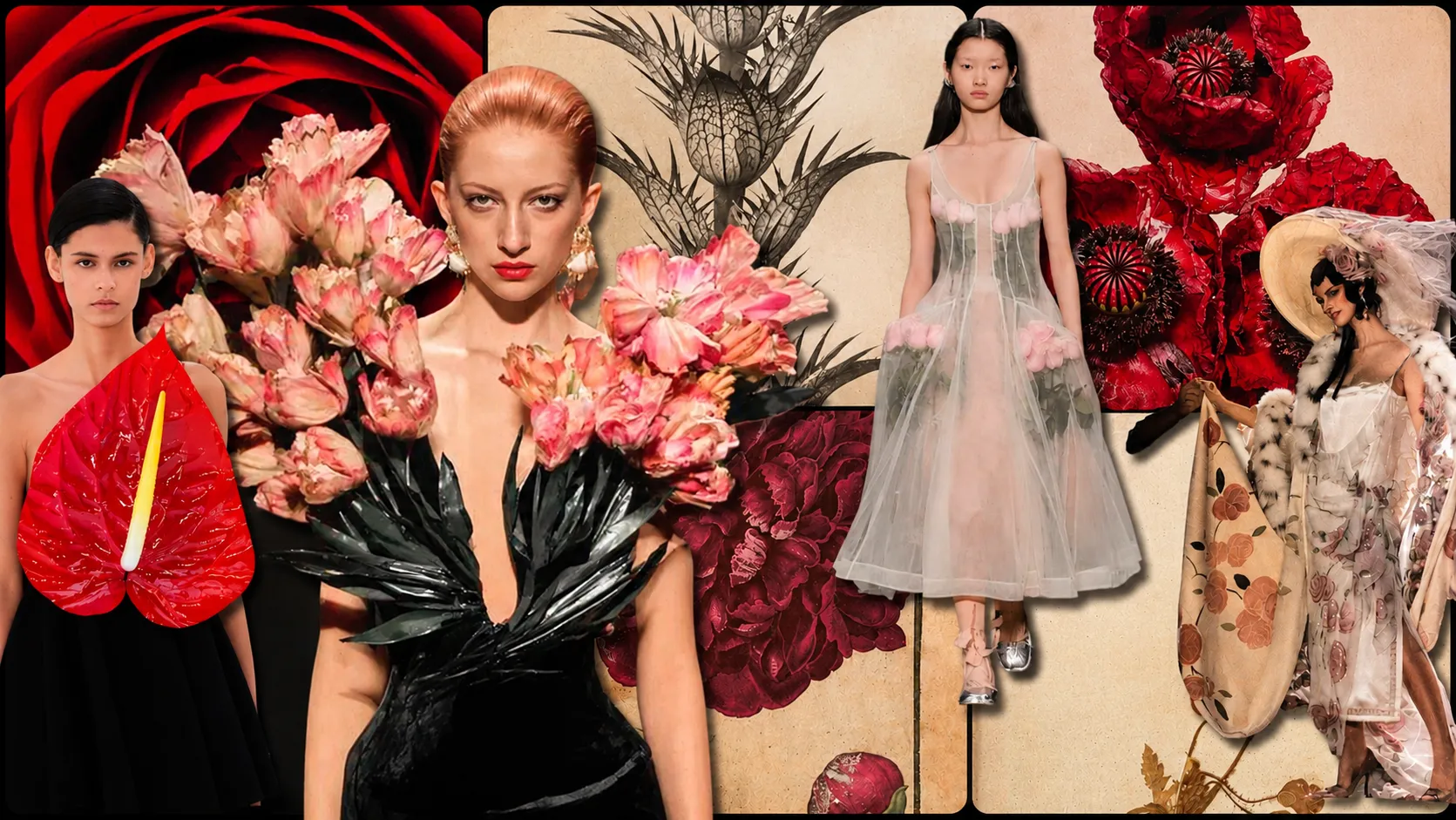
From sculptural petals to elaborate botanical embroidery, designers have long looked to the natural world for inspiration, transforming flowers into some of fashion's most extraordinary creations.
The floral dress is hardly a groundbreaking concept, but fashion's relationship with flowers goes well beyond a pretty print. Botanical motifs have decorated textiles for centuries, appearing on everything from intricately embroidered silks to the elaborate gowns of European aristocracy. By the mid-20th century, designers were looking beyond the surface of the fabric and considering the shape of the flower itself.
Christian Dior's debut collection in 1947, originally named Corolle after the arrangement of petals around a flower's center, introduced rounded shoulders, cinched waists, and voluminous skirts that would become known as the New Look. Two years later, his Junon gown took the comparison a step further, with overlapping, petal-like panels cascading down its skirt. Decades later, Alexander McQueen sent a dress covered in fresh flowers down his Spring 2007 runway, proving that the most compelling floral arrangements aren't necessarily destined for a vase.
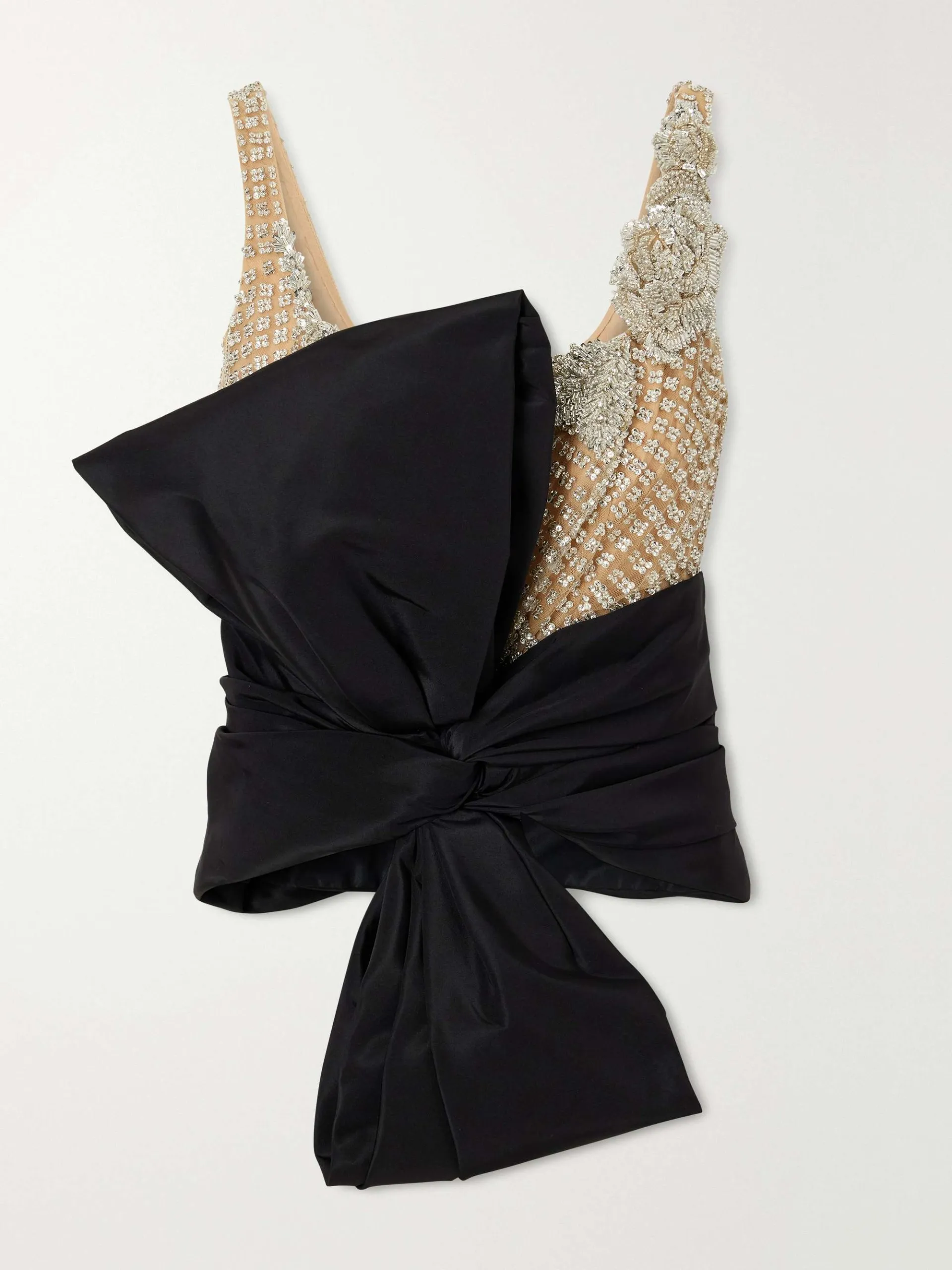
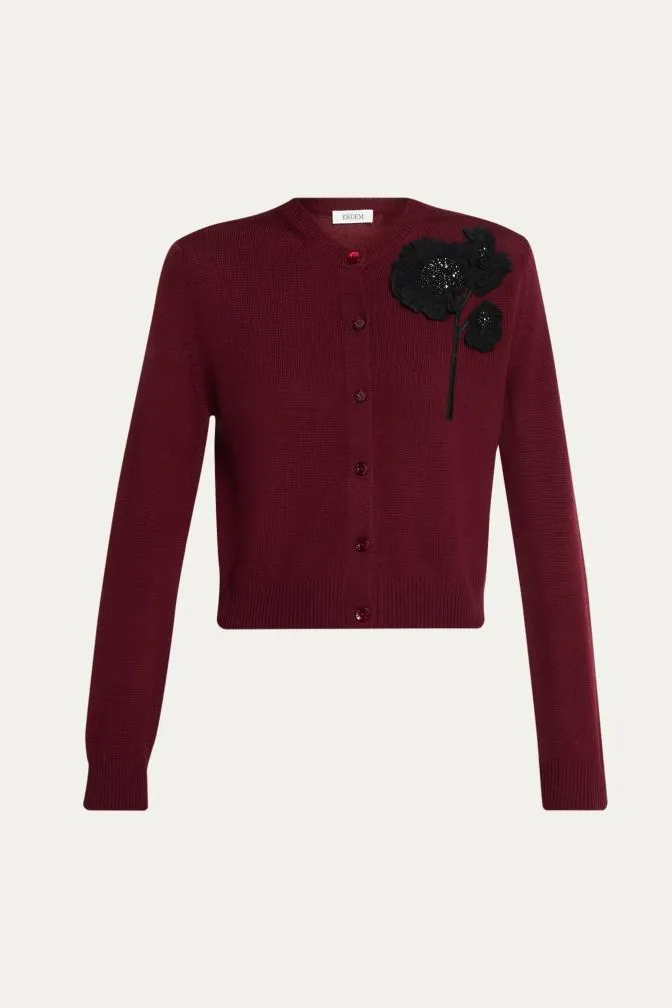
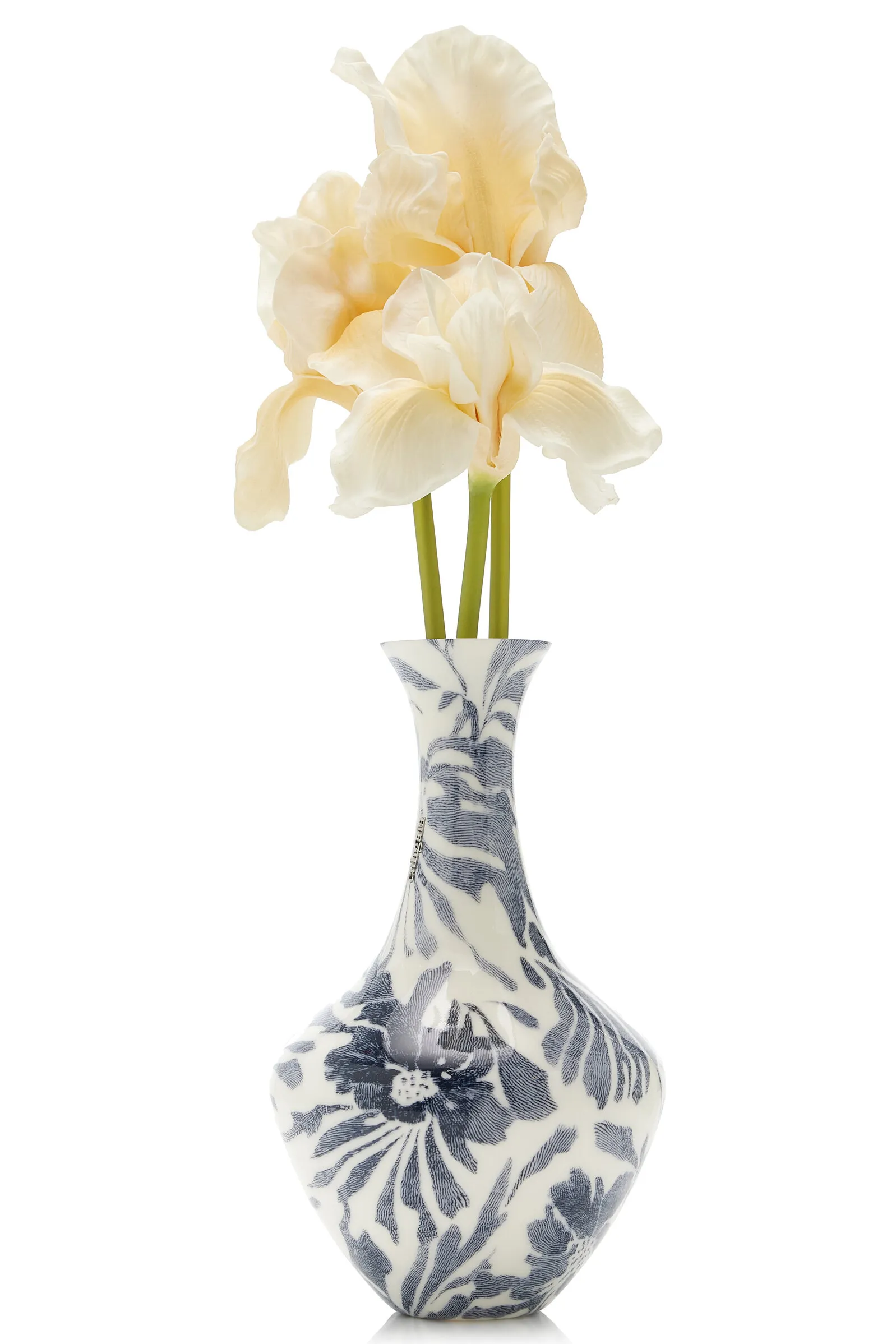
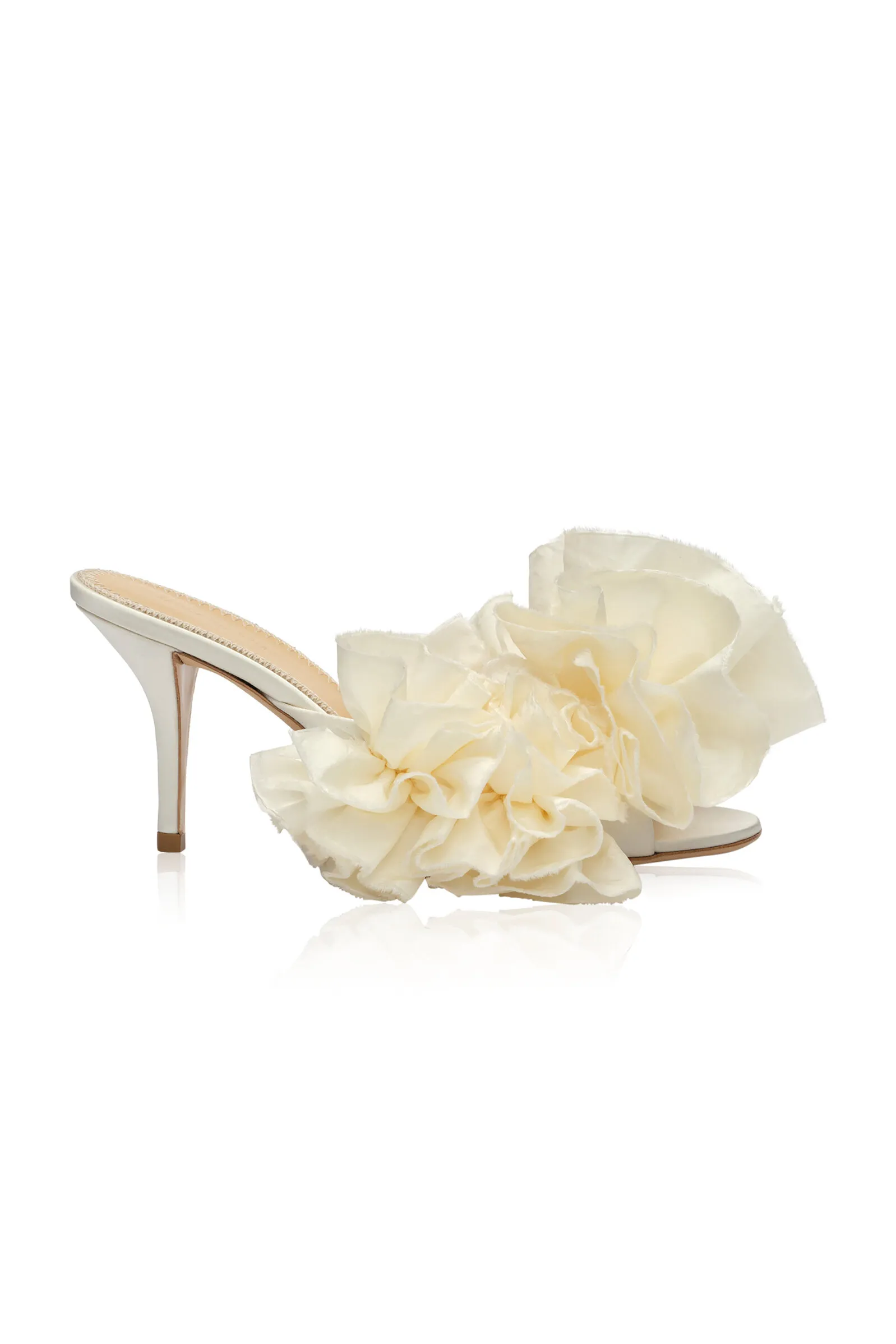
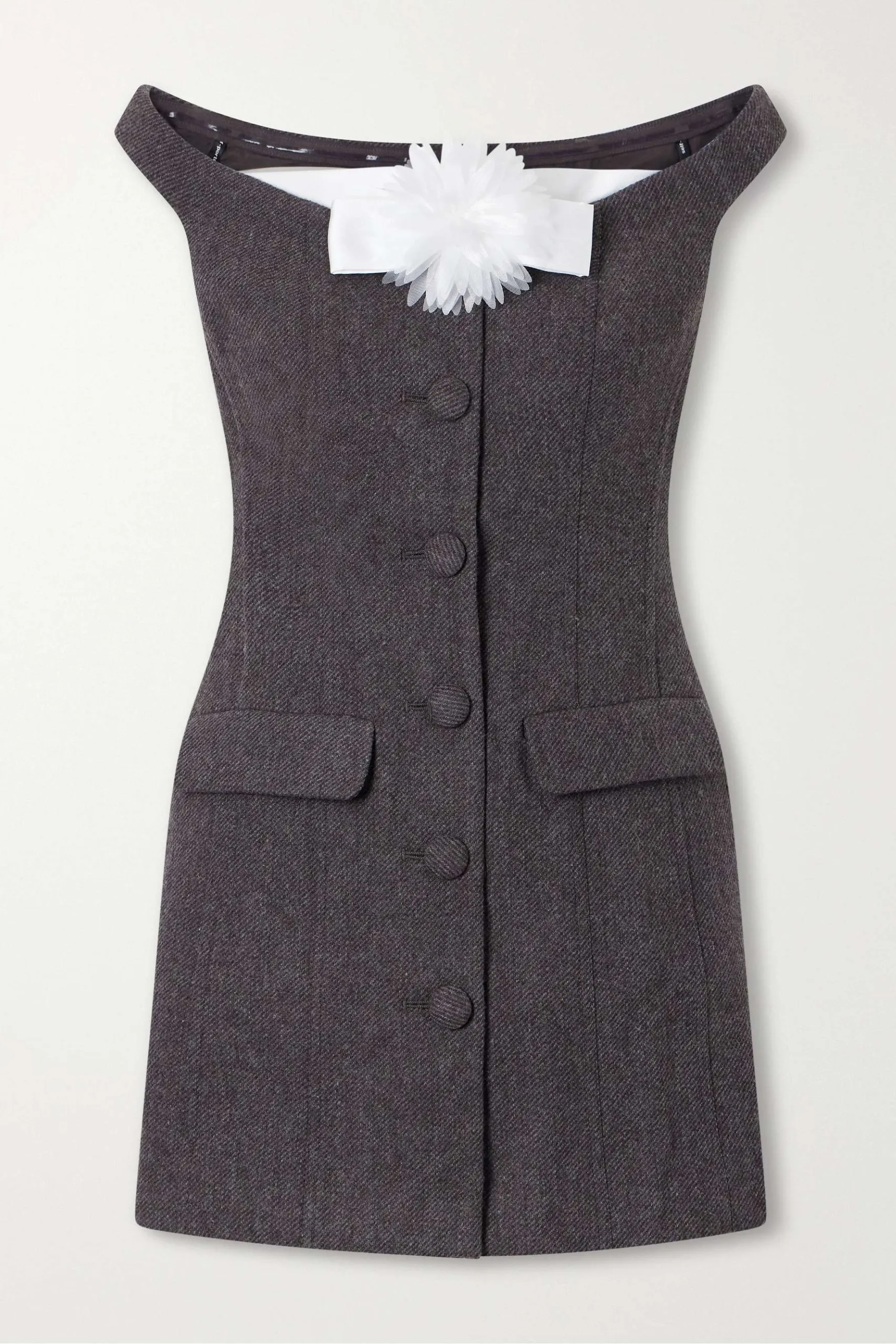
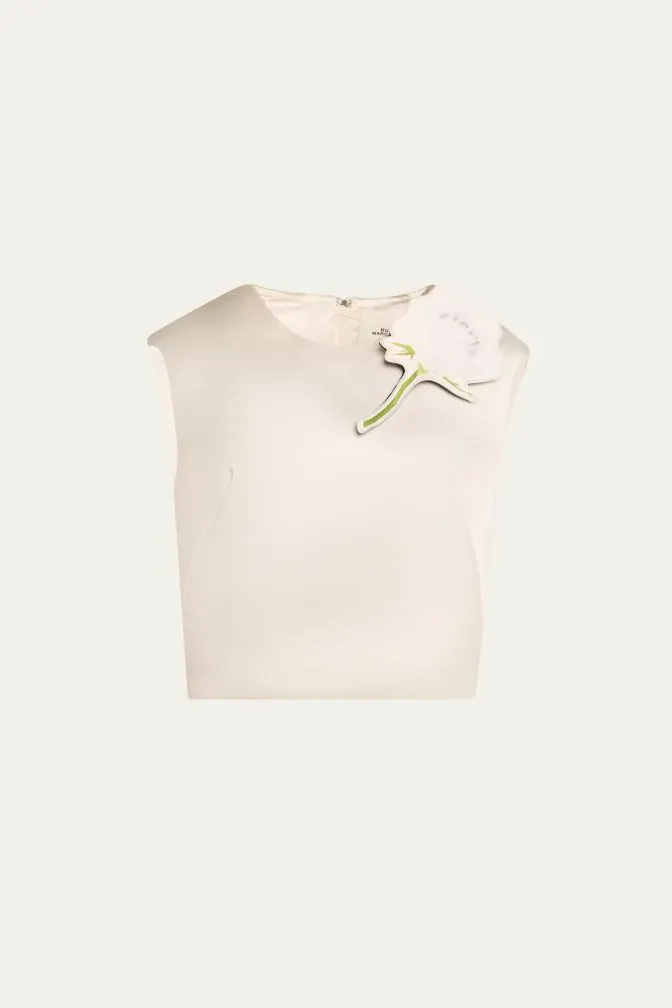
Today, designers continue to experiment with blooms in three dimensions, from oversized fabric rosettes to sculptural petals that appear to grow directly from the garment. The flower is no longer simply a motif to be printed or embroidered, but a form to be constructed, exaggerated, and reimagined.
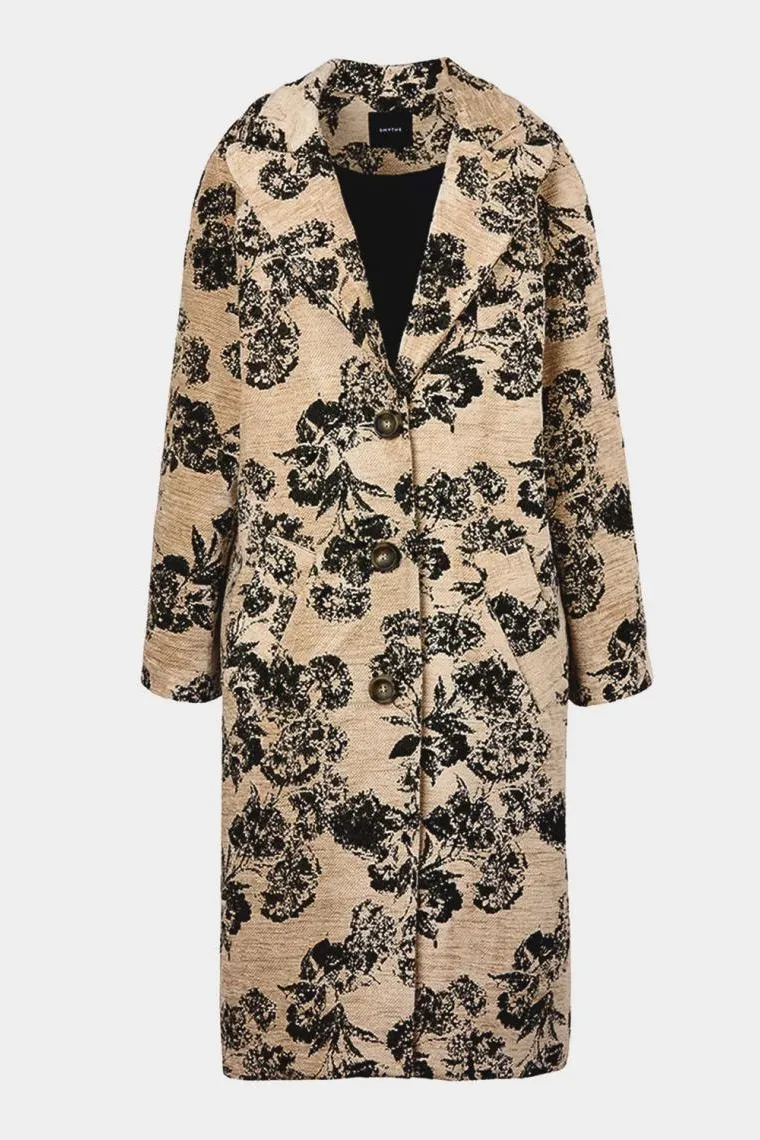
Spots, Stripes, and Scales
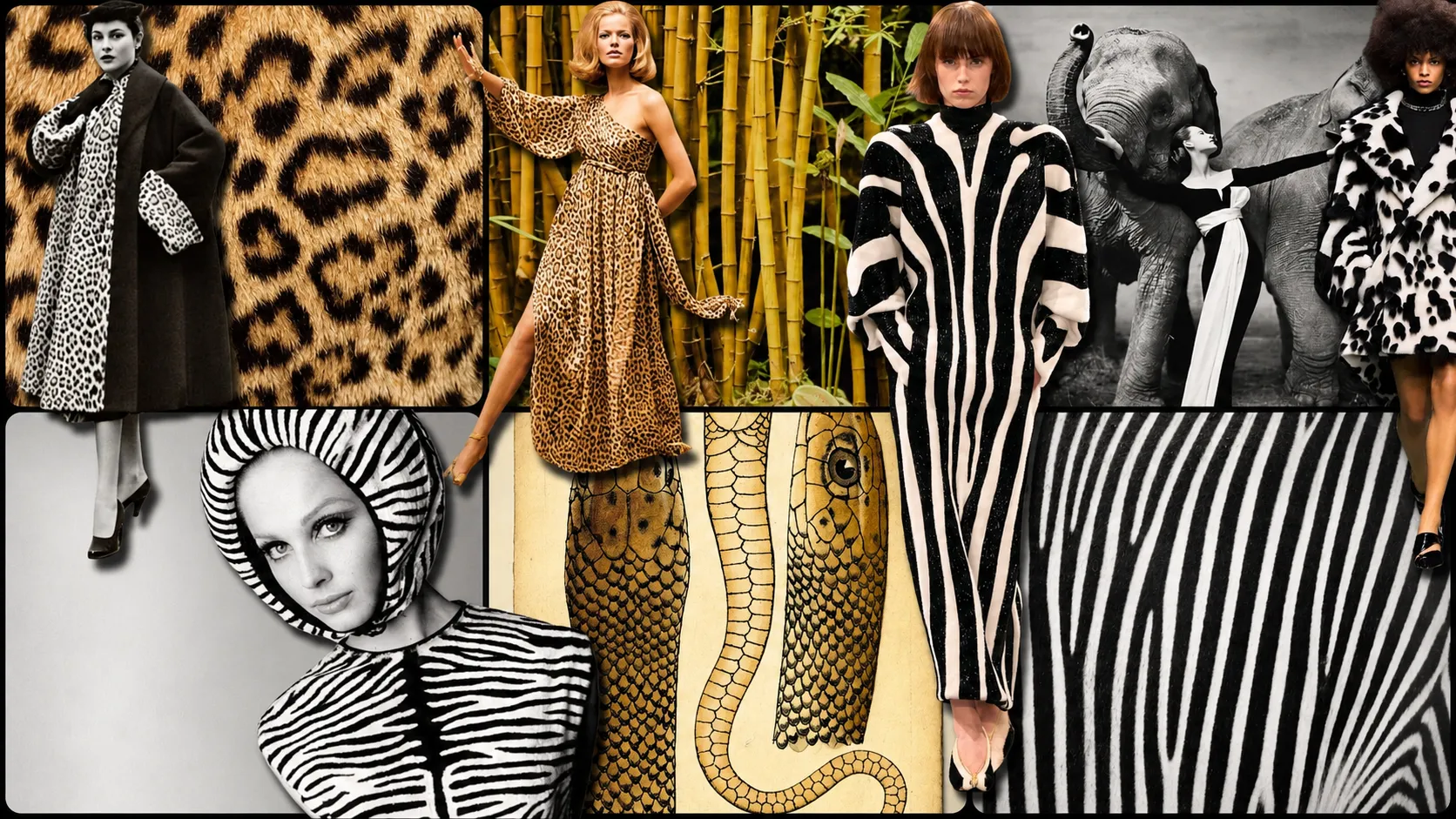
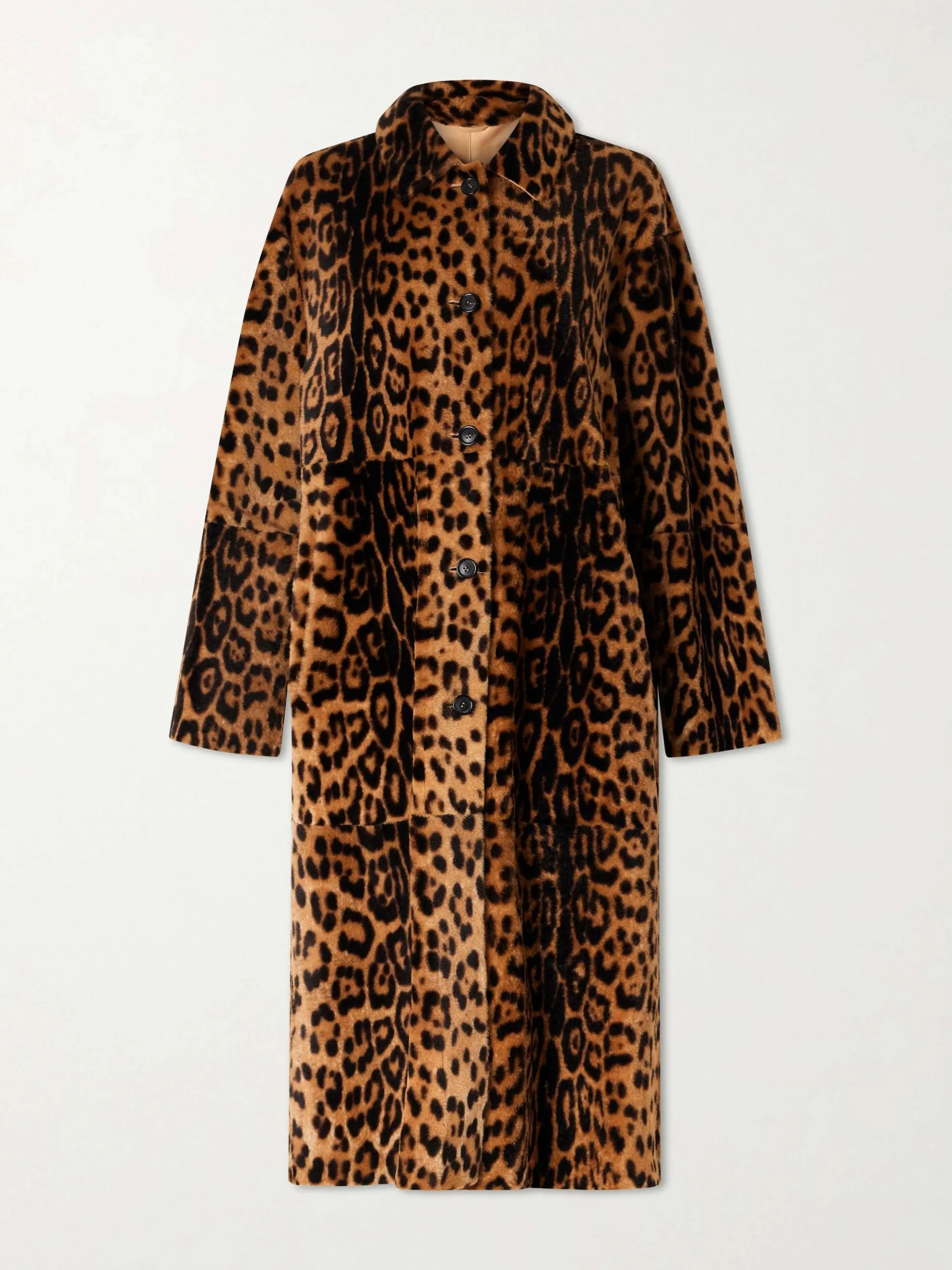
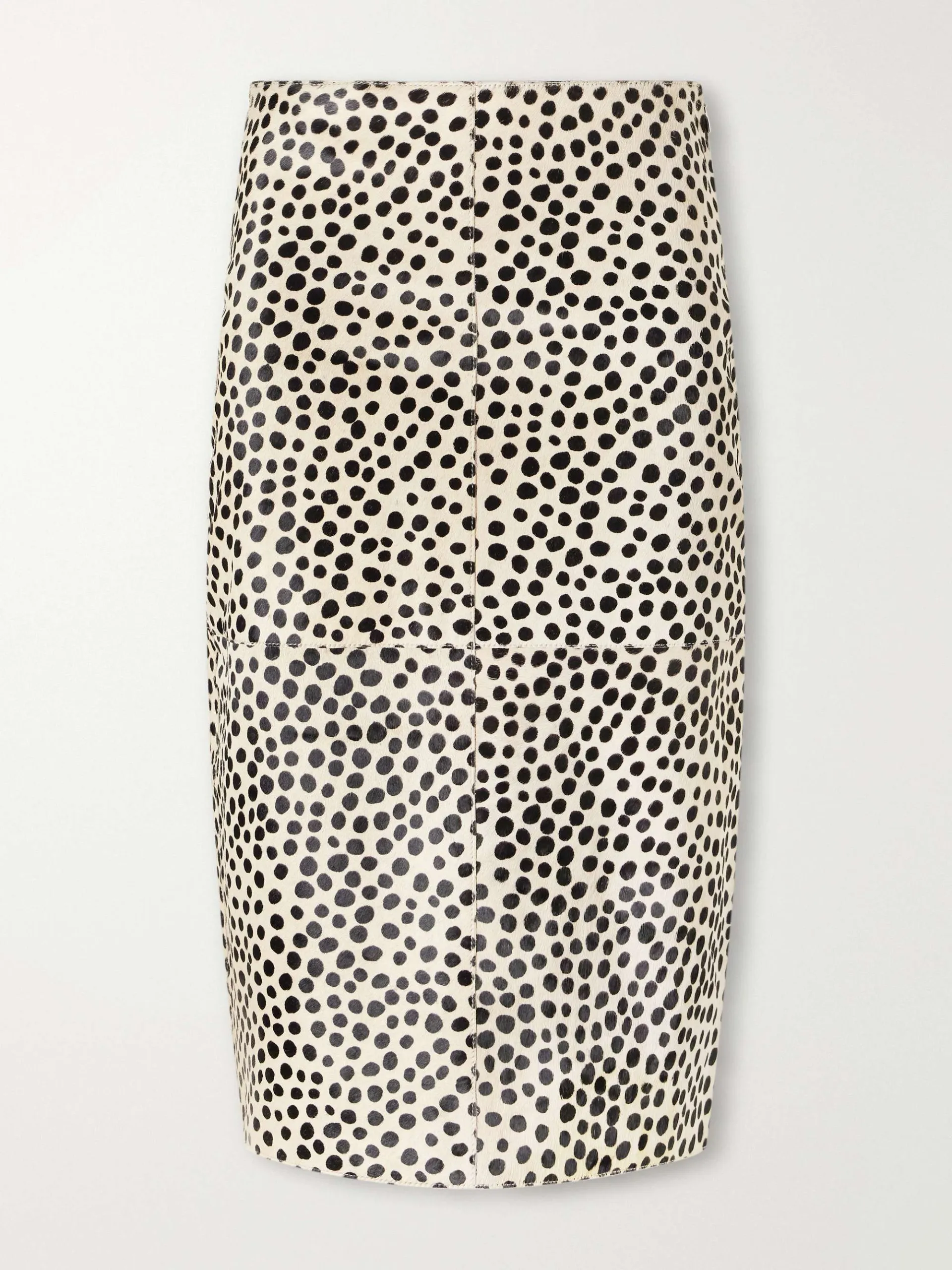
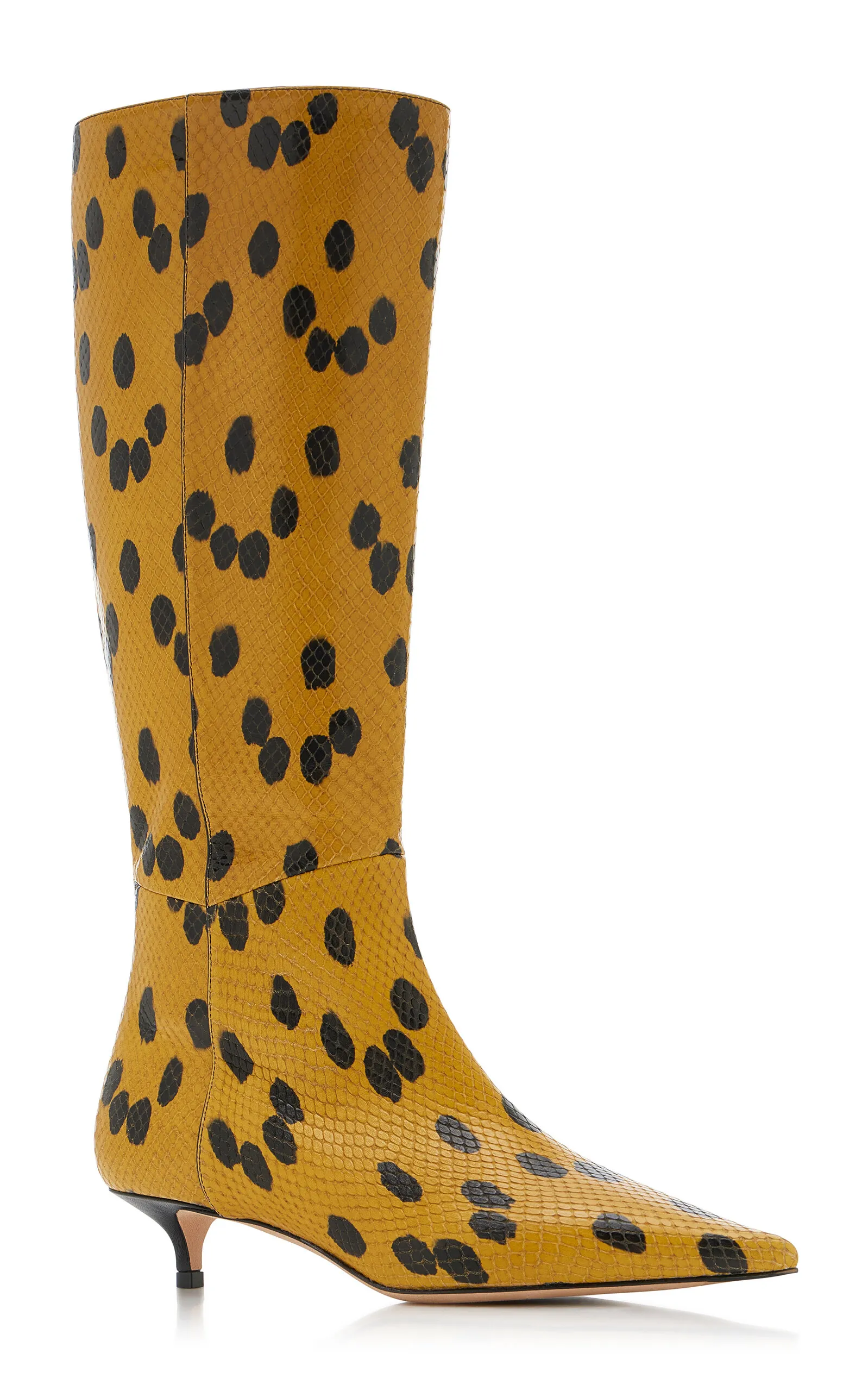
Few prints in fashion are as instantly recognizable as leopard. Originally a form of camouflage in the wild, its distinctive spots have acquired an entirely different set of associations in the human wardrobe: glamour, excess, sex appeal, and, depending on who's wearing it, a certain disregard for the rules.
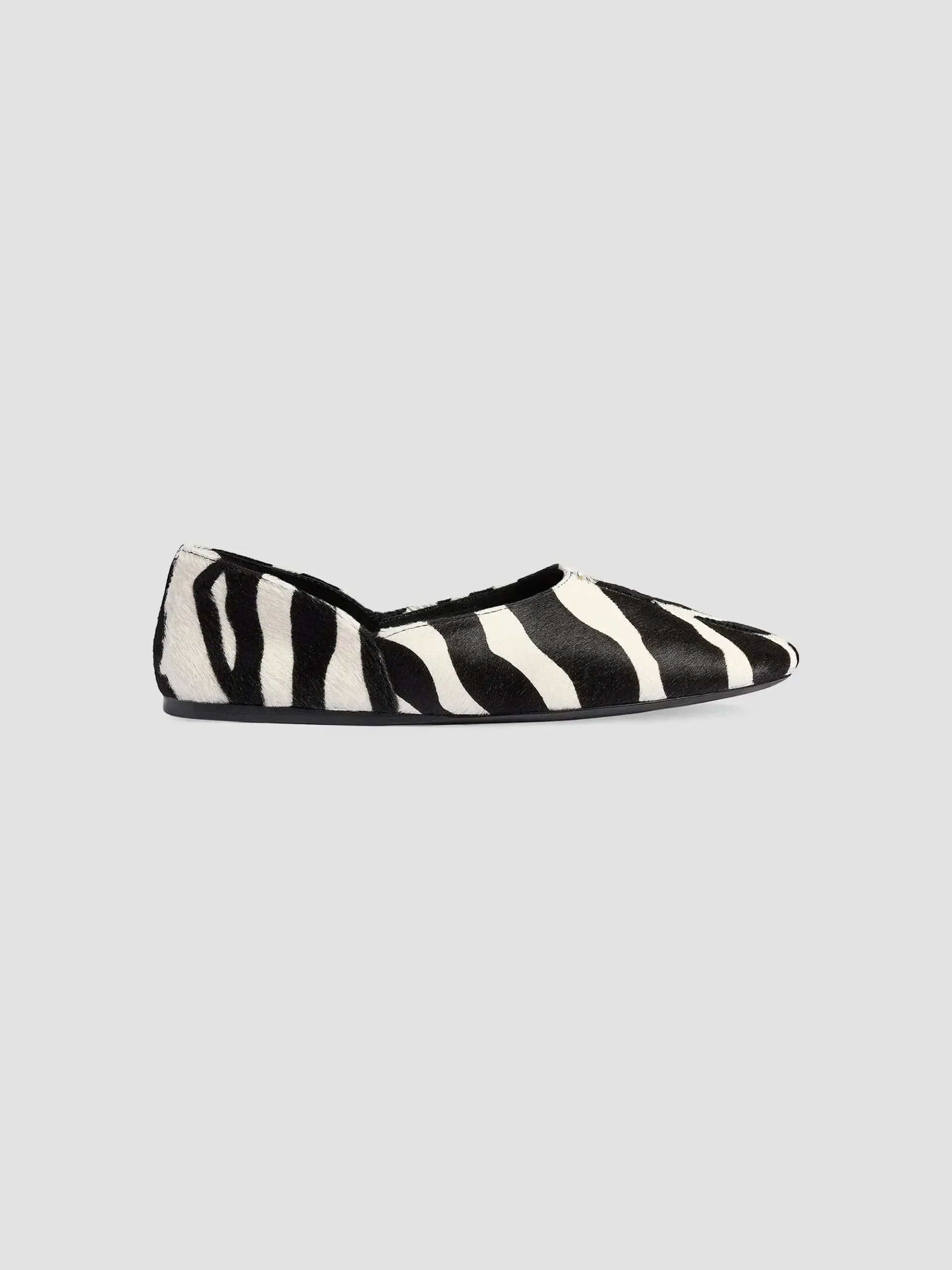
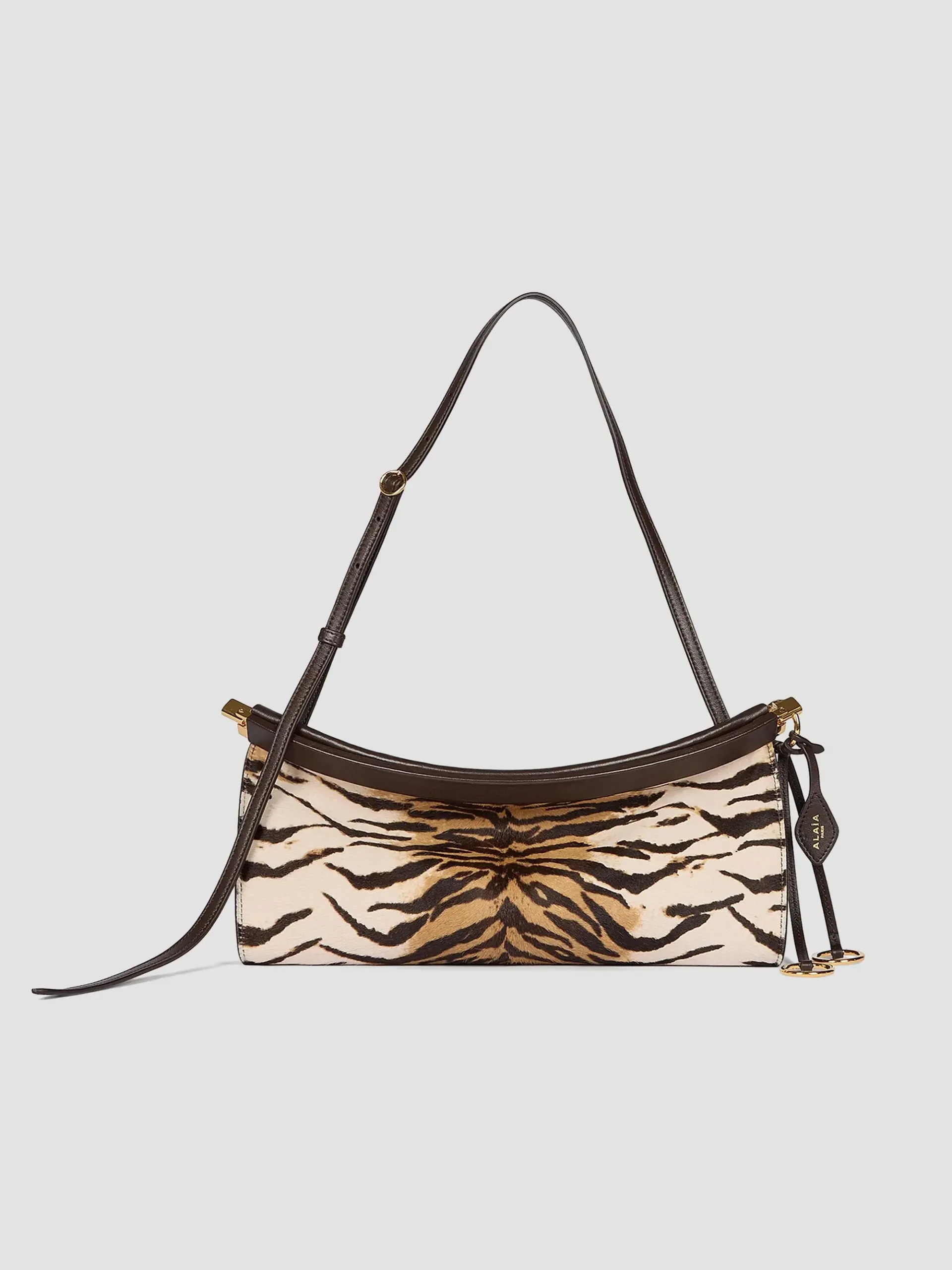
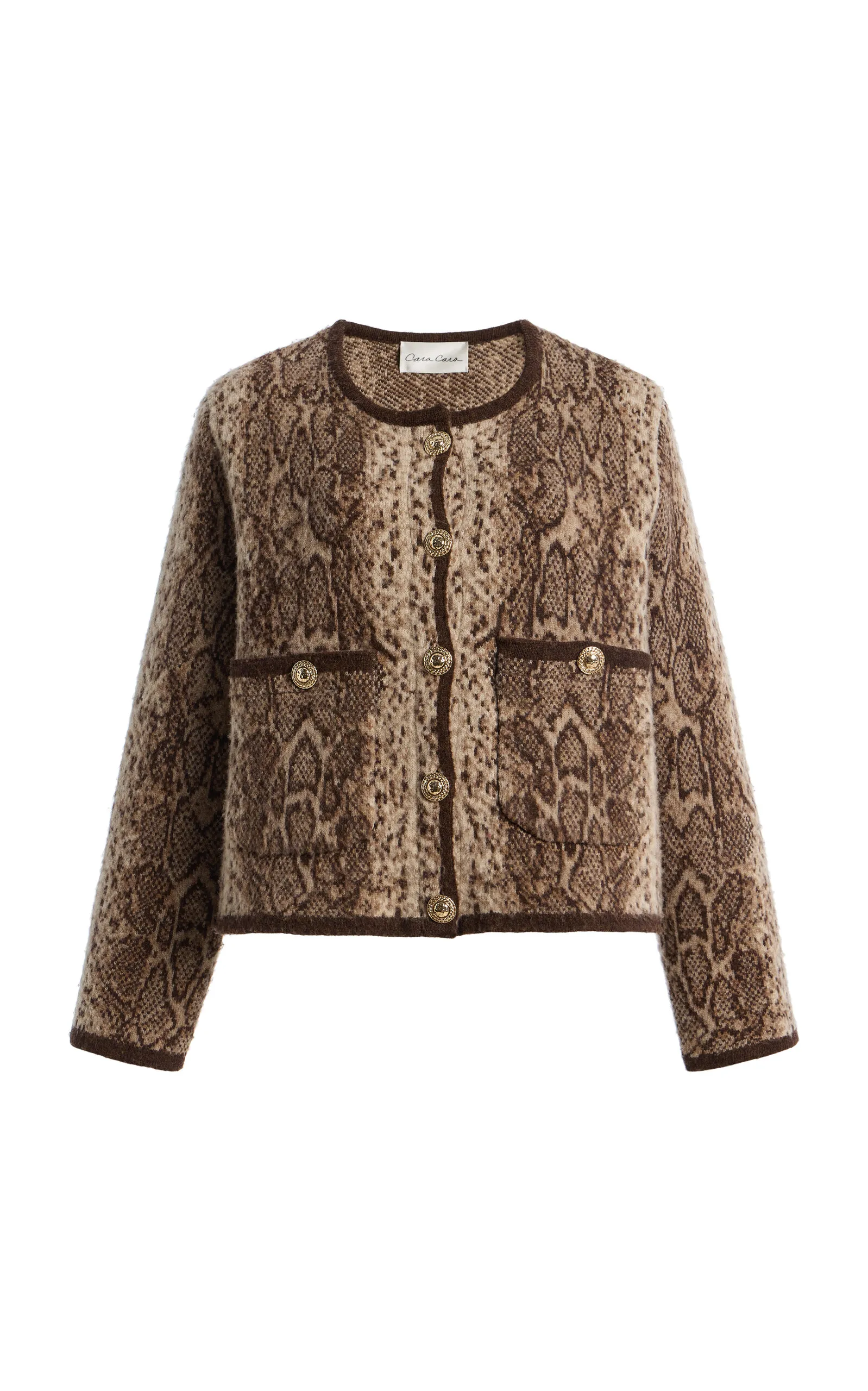
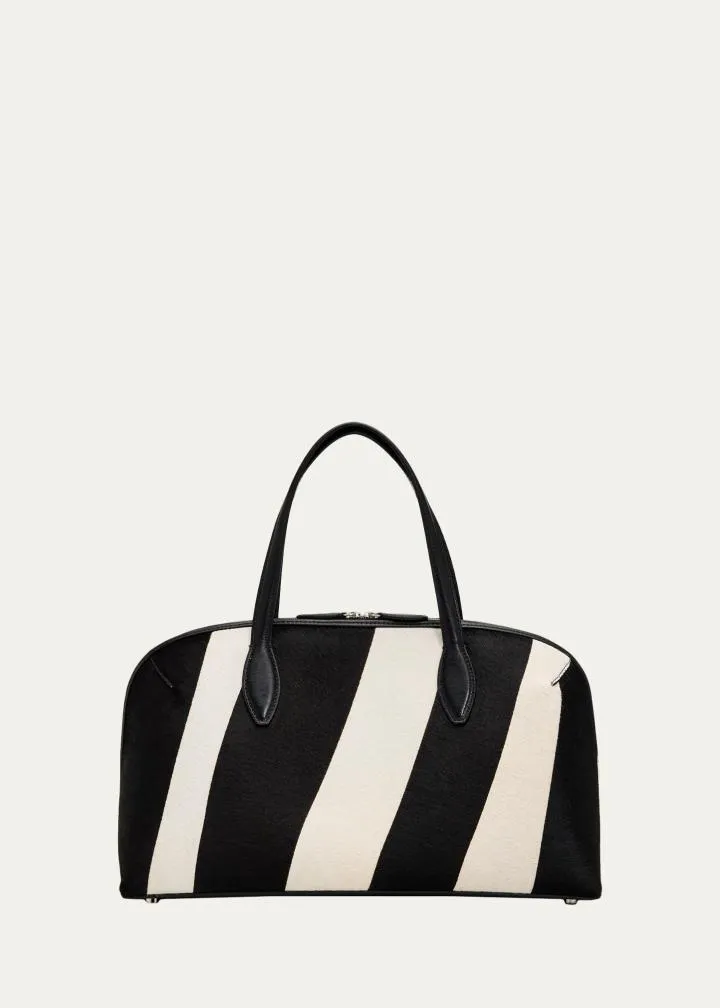
Animal skins have been worn for centuries, often as symbols of wealth and status, but printed interpretations eventually made the look more accessible. Christian Dior incorporated leopard-patterned fabrics into his early collections, and the motif went on to become a signature of designers including Roberto Cavalli and Azzedine Alaïa. Zebra stripes, tiger markings, and snakeskin followed similar trajectories, moving in and out of fashion without ever disappearing entirely.
For his Spring 2010 Plato's Atlantis collection, Alexander McQueen approached animal patterns from a more experimental perspective. Reptilian scales, underwater creatures, and natural camouflage informed the collection's engineered prints, which seemed to merge with the models' bodies. Rather than simply borrowing nature's markings, McQueen used them to blur the distinction between the human and animal worlds. It was a reminder that nature's patterns can do more than decorate a garment. In the right hands, they can transform its very appearance.

Under the Sea
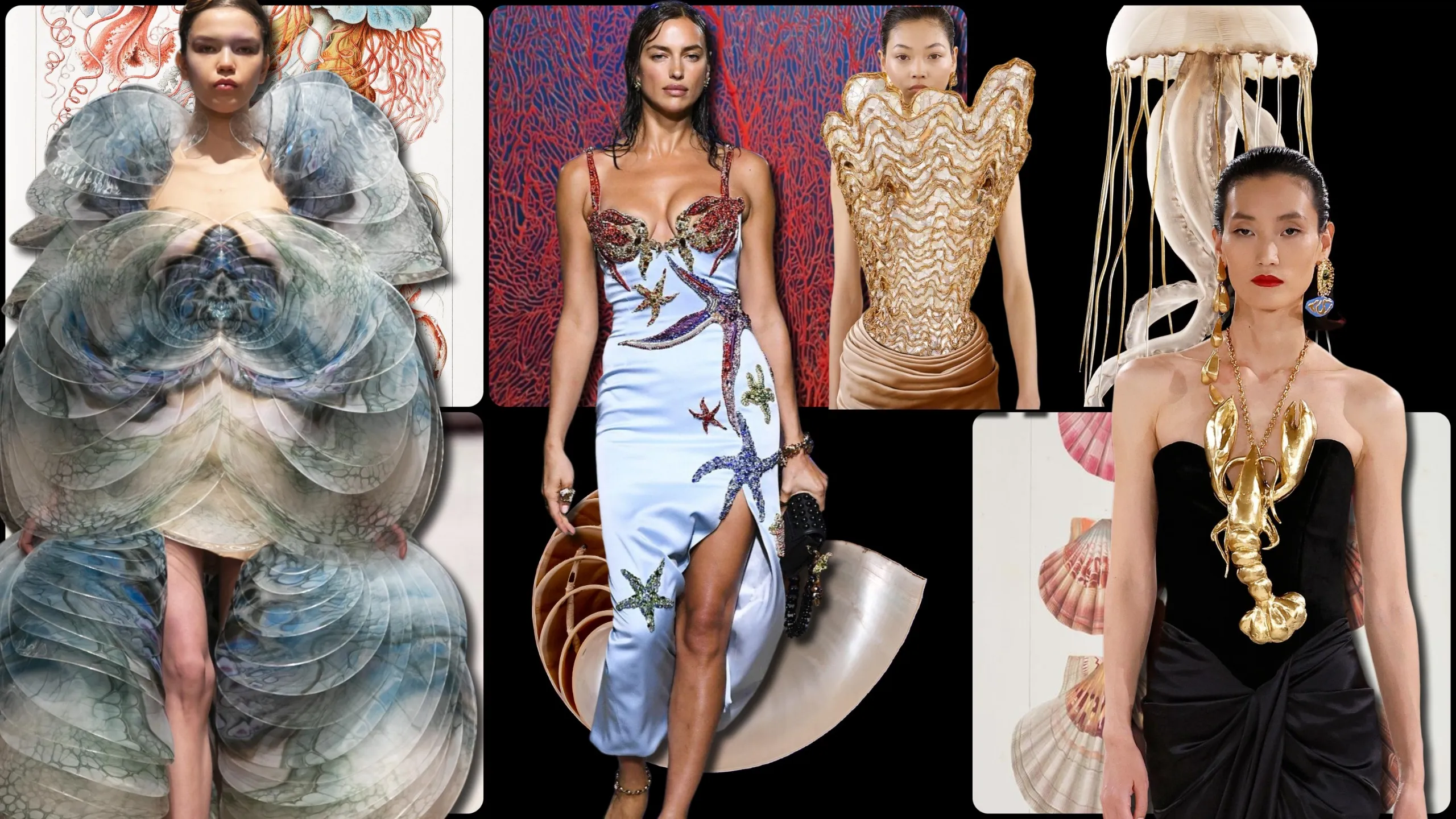
From Iris van Herpen's otherworldly constructions to Versace's starfish-studded dresses and Schiaparelli's surrealist jewelry, designers have found endless inspiration beneath the ocean's surface, translating shells, coral, and marine life into extraordinary fashion.
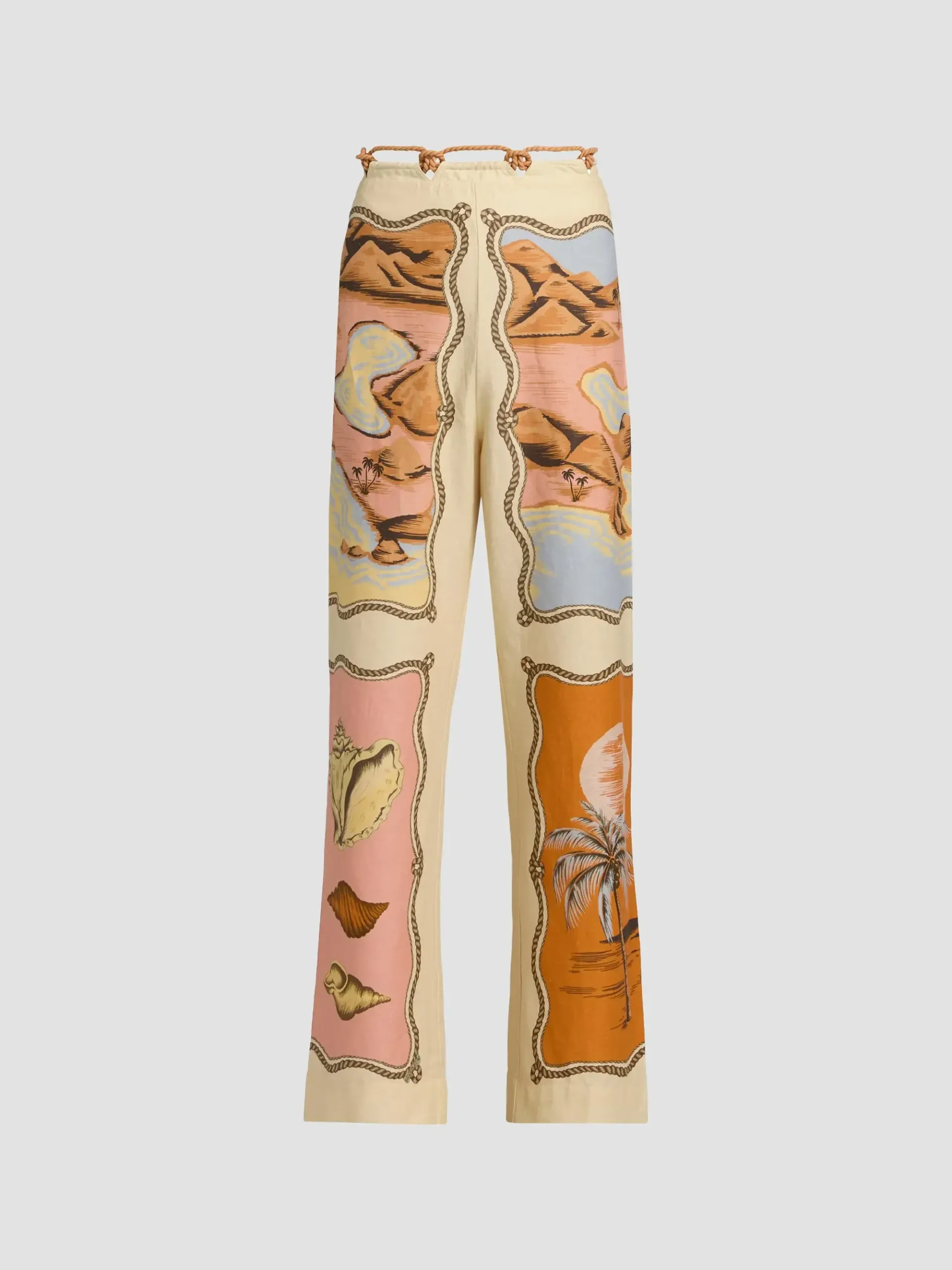
Oysters conceal pearls beneath rough shells, coral grows in intricate formations, and jellyfish drift through the water in folds of translucent color. For designers, these unlikely forms have provided a rich vocabulary of shapes, textures, and embellishments.
For his Spring 2012 collection at Chanel, Karl Lagerfeld transformed the Grand Palais into a fantastical seabed, complete with enormous white shells, coral formations, and Florence Welch singing from inside a giant oyster. The clothes were just as imaginative: iridescent sequins suggested fish scales, delicate fabrics recalled seaweed, and pearls appeared everywhere from the models' hair to the house's signature tweeds.
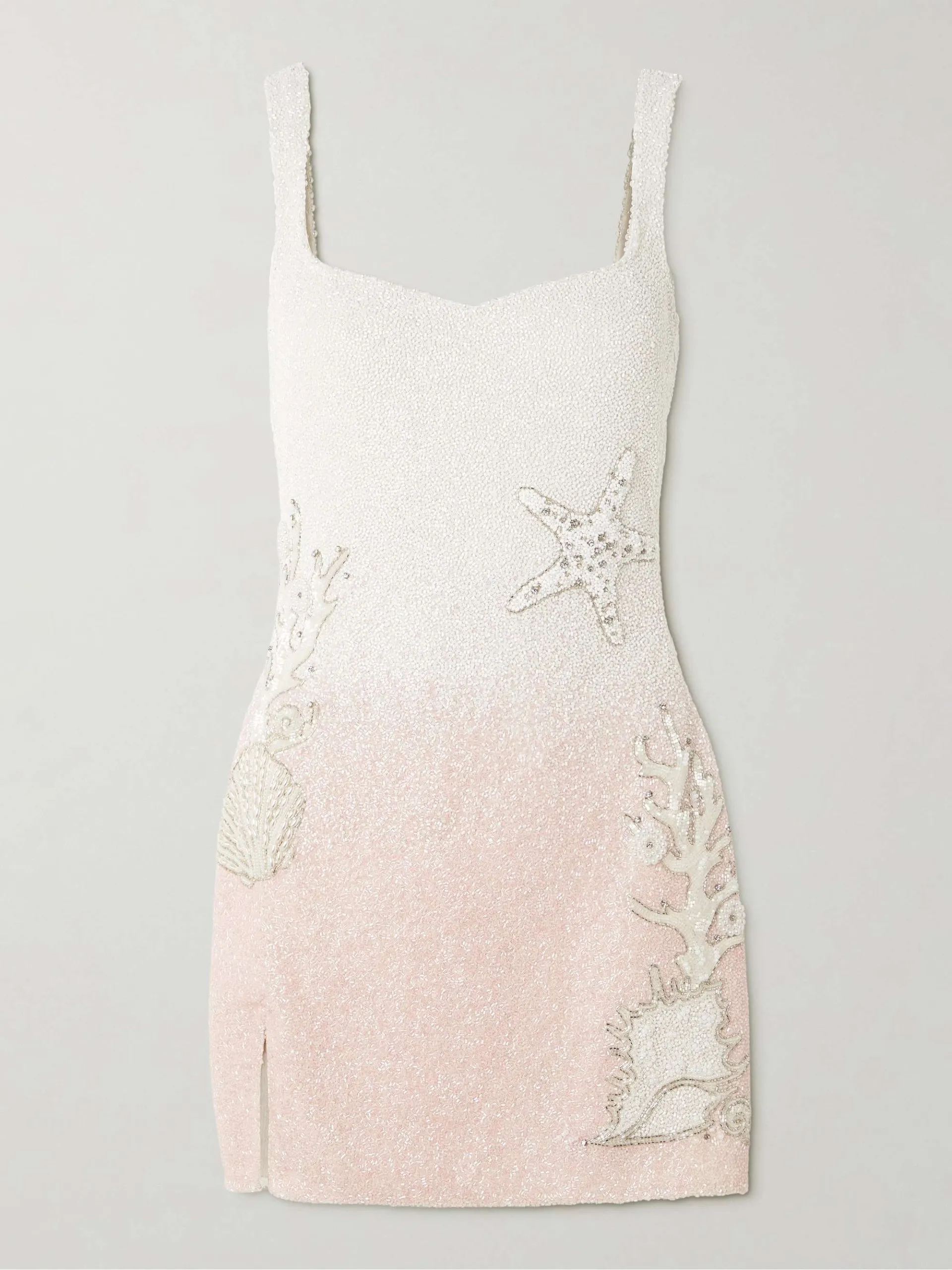
Two decades earlier, Gianni Versace had taken a considerably more exuberant approach with his Spring 1992 Trésor de la Mer collection. Starfish, coral, shells, and tropical fish appeared in vivid prints and embellishments, creating an underwater world rendered in the house's unmistakably maximalist vocabulary. Donatella Versace returned to those designs for Spring 2021, reviving the marine motifs with crystal-encrusted starfish and shell-shaped bodices.
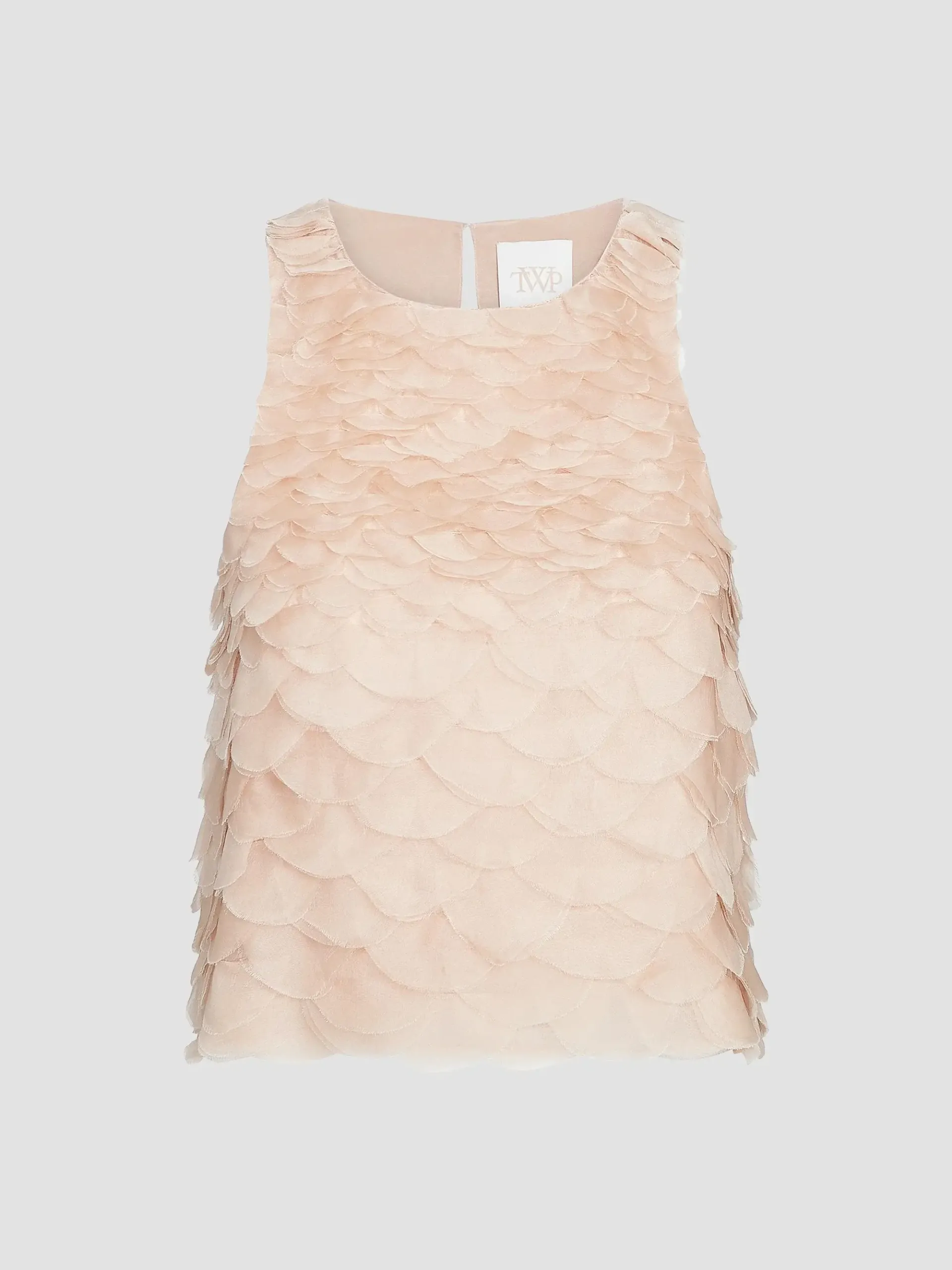
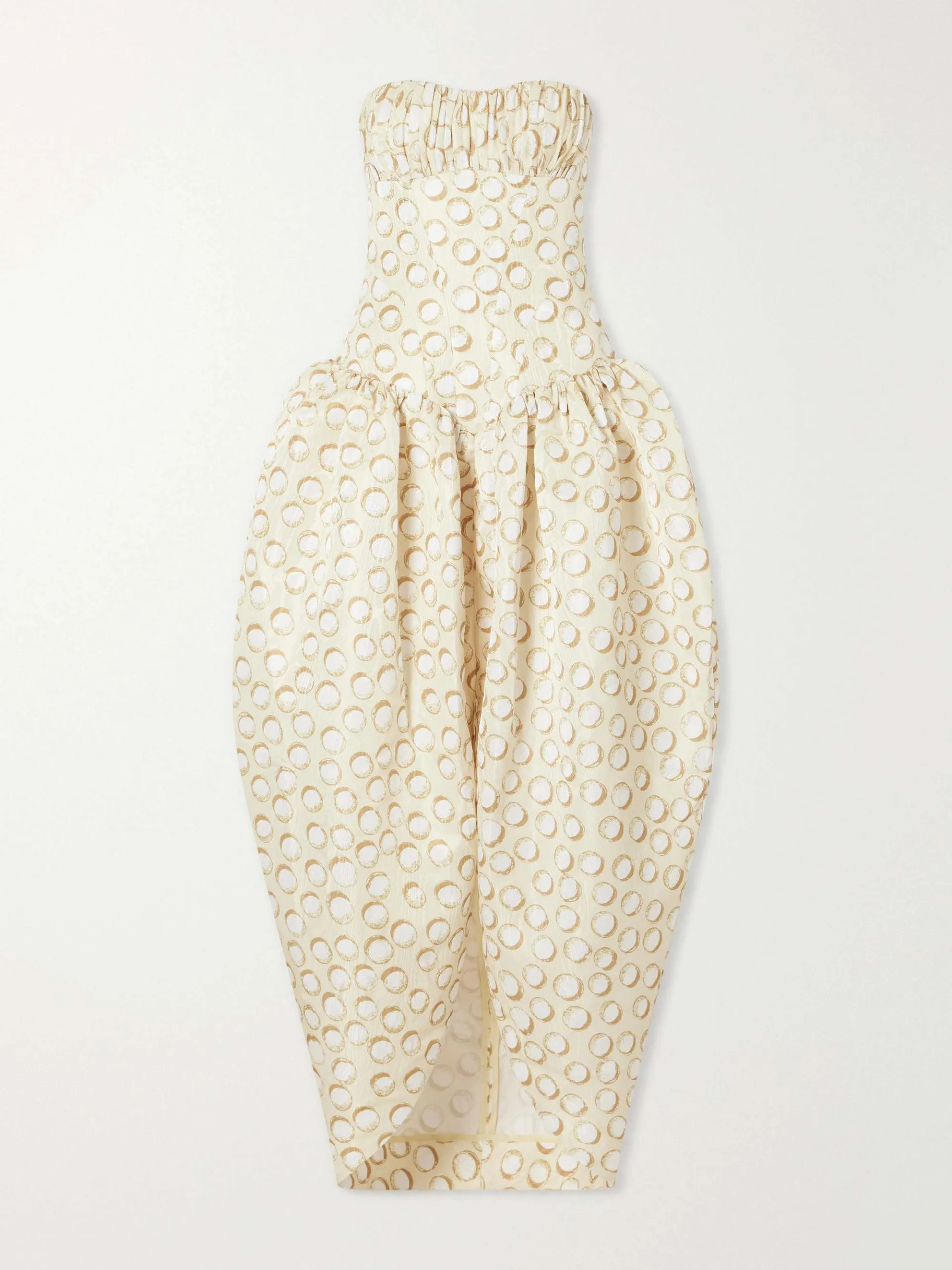
Alexander McQueen, meanwhile, was interested in the ocean's architecture. His extraordinary Oyster dress from Spring 2003 was constructed from hundreds of overlapping circles of silk organza and chiffon, its irregular layers recalling the folds of an oyster shell. Rather than decorating the dress with a marine motif, McQueen allowed the structure itself to become the reference.
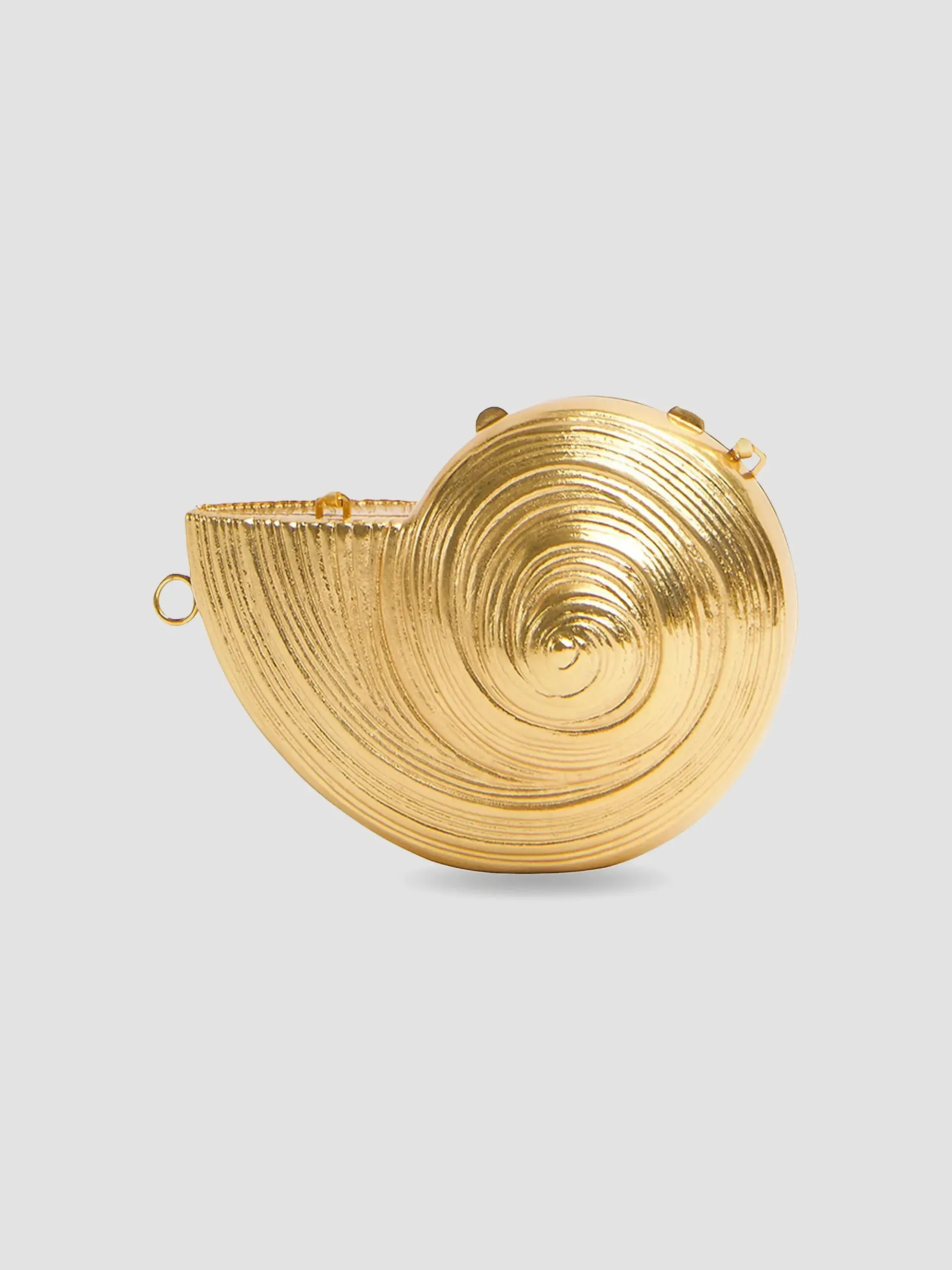
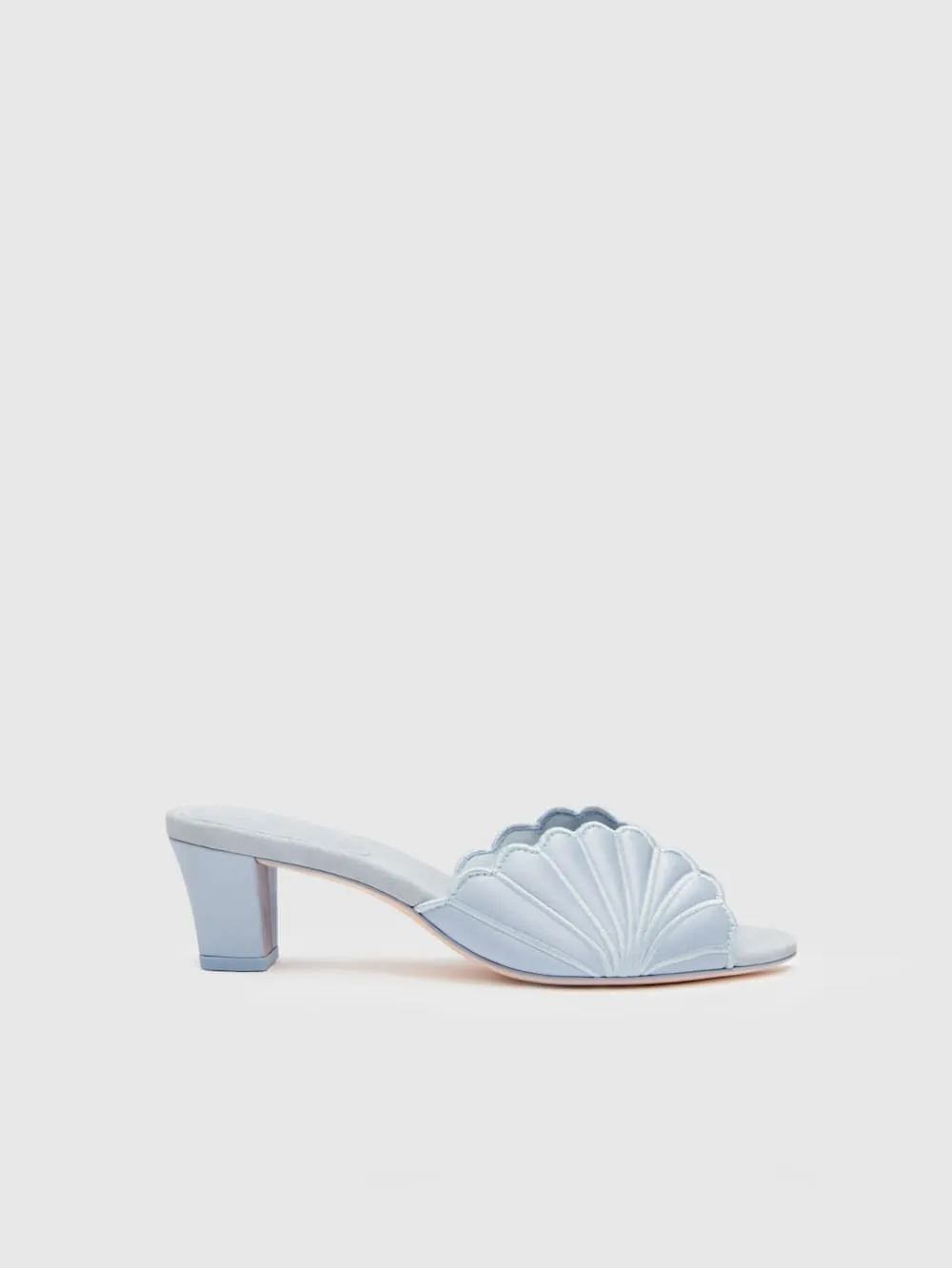
The ocean's influence can be found in less elaborate forms, too: the scalloped edge of a hem, the spiral of a shell-shaped bag, or the irregular surface of a baroque pearl. Even the smallest details can trace their origins back to the sea.