-
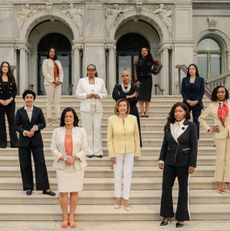 The Congresswomen’s Pact
For the first time, twelve congresswomen reveal how they’re banding together after the Trump administration came for one of their own: Rep. LaMonica McIver.
-
 Why King Charles "Took the Bull by the Horns" in U.S.
"Trump has shown nothing but contempt for the alliance..."
-
 Donald Trump Tells Royal Author His Verdict on State Visit
The president opened up about "great guy" King Charles to biographer Robert Hardman.
-
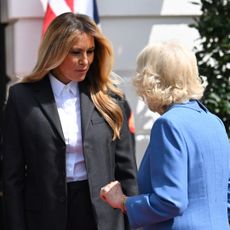 Melania Trump Sent a Personal Message to Princess Kate During State Visit
The First Lady has a particular fondness for the Princess of Wales.
-
 The Big Business of Breastfeeding
Pumps, apps, consultants, supplements, stash culture—feeding a baby now comes with an entire economy of labor, spending, and creeping anxiety.
-
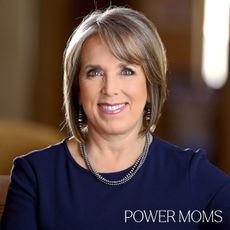 Governor Michelle Lujan Grisham, the Universal Child Care Whisperer
How one governor played the long game to achieve free child care for New Mexico—the first U.S. state to ever provide it.
-
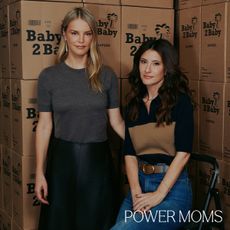 Inside the Baby2Baby Boom
The nonprofit run by Kelly Sawyer Patricof and Norah Weinstein is known for its A-list ambassadors and West Hollywood galas. But celebrity is just a means to an end, with the group donating half a billion items to the moms and babies who need them.
-
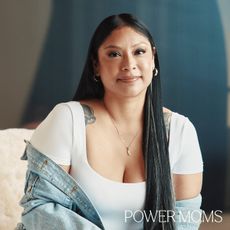 The ICE-Chasing Soccer Mom
How Angelica Vargas started tailing federal agents across Southern California—and became one of TikTok’s most unlikely folk heroes.
-
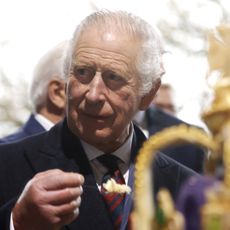 King Charles Experienced "Faux Pas" at the White House
The president was "horrified."
-
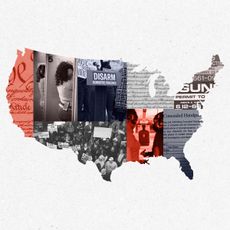 What Will the Future of Firearms Look Like?
One thing is certain: it will be shaped by women on both sides of the fight.
-
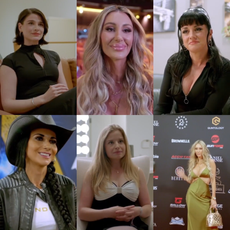 These Social Media Stars Are the Firearm Industry’s Most Powerful Weapon
Call it the “gunfluencer” effect.
-
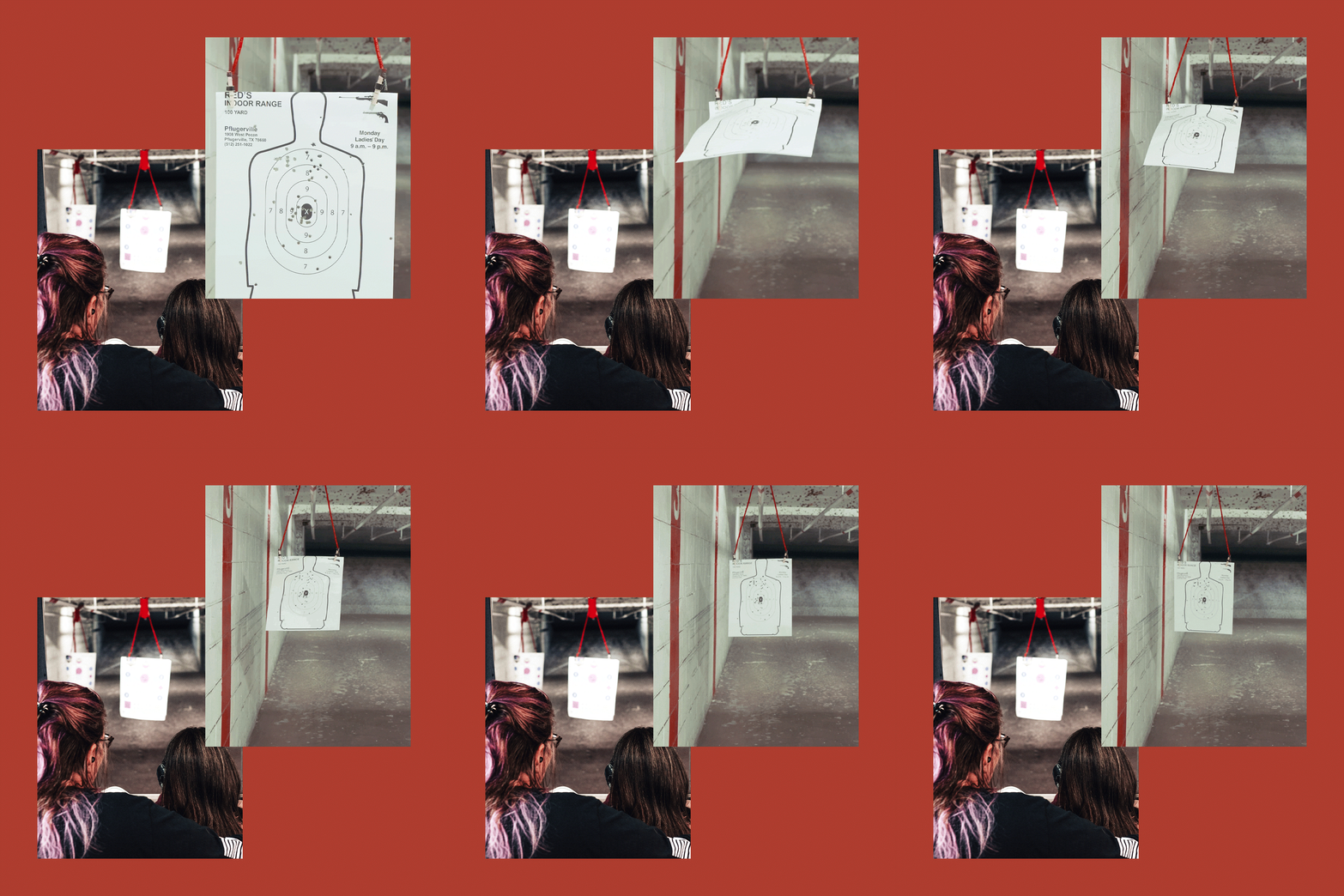 The Women Coming Together to Make Friends and Shoot Firearms
This is what a gun club for women looks like.
-
 In Our Era of Mass Shootings, Will the Educators Ever Be All Right?
A growing group of survivors must contend with the deep, emotional impact such an event has on their lives.
-
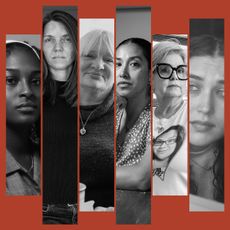 What Gun Violence Cost Six Women
What it’s like to have a loved one killed with a weapon.
-
 We Partnered With Harvard to Ask: How Do Women Really Feel About Guns?
We asked women about their interest in guns, their fears, their political feelings, and more.
-
 Women and Guns: A ‘Marie Claire’ Investigation
Ten years ago, ‘Marie Claire’ published a groundbreaking series that explored the complex world of females and firearms. A decade later, we’re returning to the same topic to understand what’s changed—and what hasn’t.
-
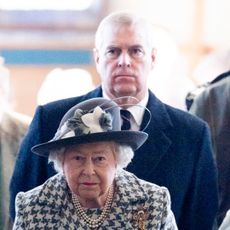 One Politician Was Forced to "Break the Bad News" to Andrew
"He was not thrilled. I tried to cheer him up."
-
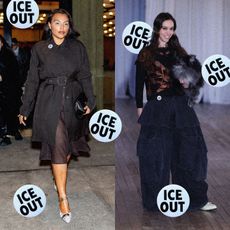 New York Fashion Week Joins the "ICE OUT" Movement
"This is hopefully the first step of what you're doing."
-
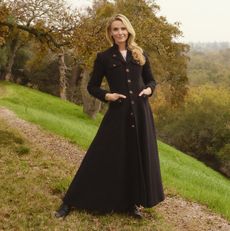 Is Jennifer Siebel Newsom the Most Underestimated Woman in American Politics?
She’s Governor Gavin Newsom’s most important ally—and a force in her own right. In a Marie Claire exclusive, California’s First Partner pulls back the curtain.
-
 Nancy Pelosi’s Parting Message to Women in This Political “Freak Show”
The first woman Speaker gets candid about her decades in power and what she’s leaving behind.
-
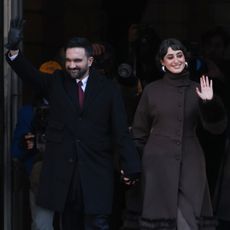 Rama Duwaji's Mayoral Inauguration Style Spotlights NYC Classics
She stacked back-to-back classic coats into her looks.
-
 Women Are Telling the Truth in Their OOO Messages. It’s Devastating
A national campaign is delivering a radically honest wake-up call about childcare, burnout, and life without paid leave.
-
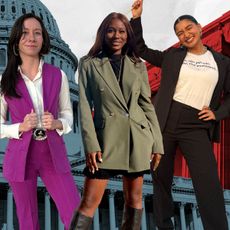 D.C.'s Dress Code Revolution Is Now in Session
Inoffensive suits and American flag pins used to be the status quo. Now, Capitol Hill insiders are setting classic decorum aside for all-out expression.
-
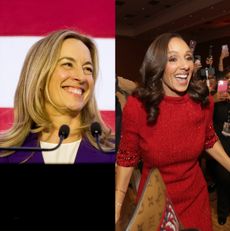 Women’s Issues Just Won the Election
From childcare to abortion, voters weighed in.
-
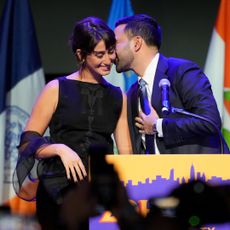 A New Look for New York City's First Lady
Rama Duwaji used her first outfit as the mayor-elect's wife to send a message.
-
 How to Help Victims of Hurricane Melissa
Relief efforts have begun in Haiti, Cuba, Jamaica, the Dominican Republic, and the Bahamas.