Exclusive: Royal Historian Says Princess Diana Tore the Royal Family's "Cinderella" Myth "to Pieces"
Kate Williams shares why the late royal turned the fairytale myth on its head.


When Princess Diana married Prince Charles in 1981, their wedding felt like the ultimate modern fairytale. But when the late royal spoke out about her marital troubles, her eating disorder and general unhappiness in the Royal Family, the press turned against her. Speaking to Marie Claire, royal historian Kate Williams says that Diana “absolutely refused” to “perform happiness” for the monarchy’s benefit.
Williams digs into how royal women through the centuries have fought for power in her new book, Regina, and she says that people “want the princess fantasy.”
“We want them to perform happiness, I mean that's what we want princesses to do,” Williams shares. “And Diana absolutely refused. ‘I'm not doing this. I'm not saying I'm happy. I'm not putting up with this.’”
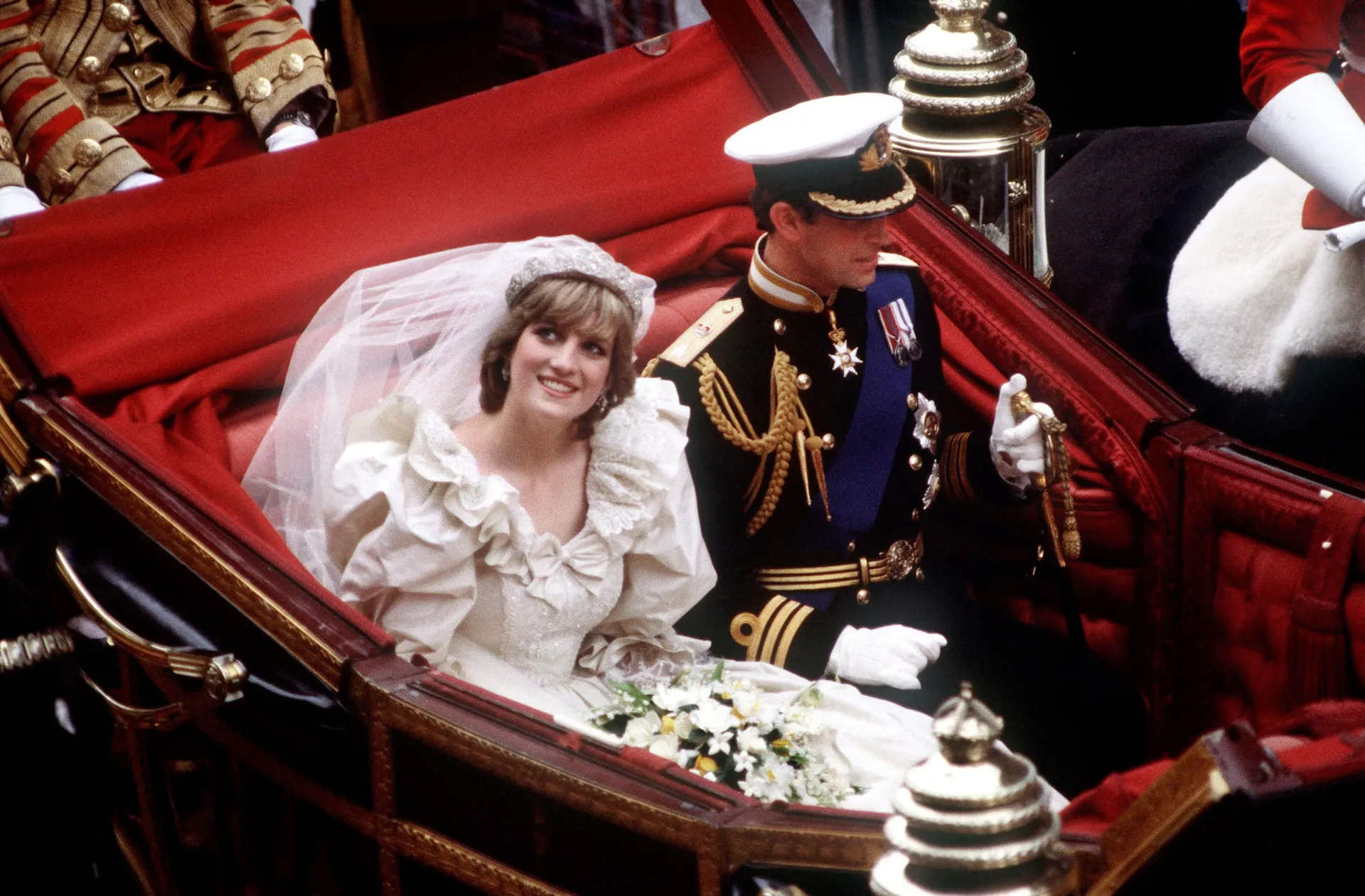
Princess Diana is pictured with Prince Charles on their 1981 wedding day.
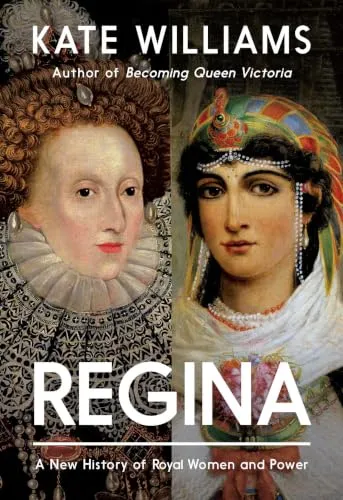
The author and professor adds that while Grace Kelly was candid about some of her struggles with being a princess, Diana’s pushback was much more public. “And that really was a bombshell because yes, Grace said it, but she said it in much more private ways,” Williams says.
Although Charles and Diana’s marriage was fractured early on, the couple didn’t officially separate until 1992, and the princess’s controversial BBC Panorama interview aired in November 1995. During her sitdown with Martin Bashir, she openly discussed her struggles with bulimia and self-harm and admitted to having an affair during her marriage to Charles.
According to Williams, Diana’s revelations ruined the idea of the royal fantasy. “There’s this expectation that you are Cinderella, happily ever after, and you perform happiness,” she says. Williams continues that Diana's actions "tore" that idea to shreds.
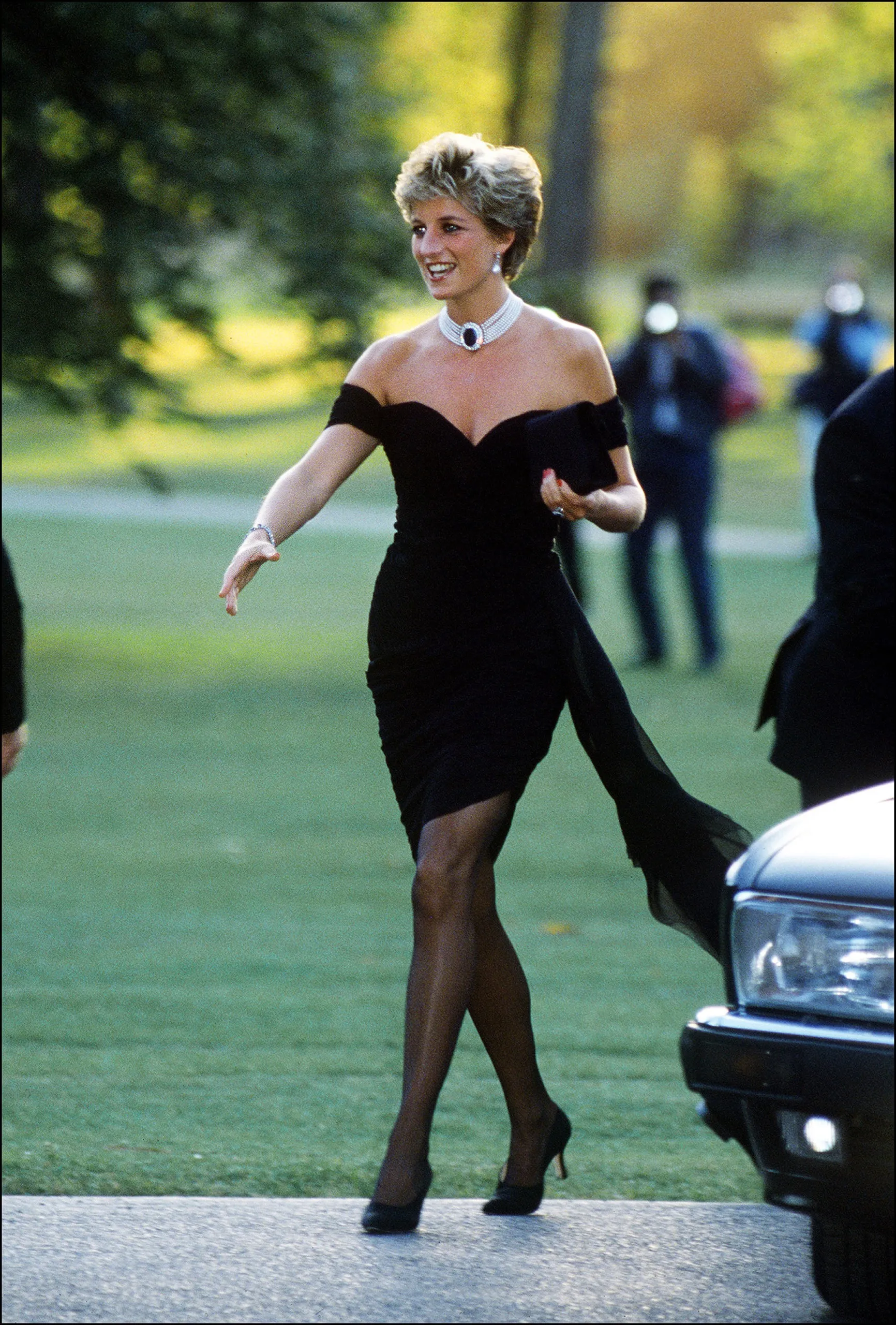
Princess Diana wears her iconic Revenge Dress in 1994.
"She tore it all apart and she tore it to pieces, and that's why I just think she is such an important figure in the history of of women," the historian tells Marie Claire. "I think that she's often undervalued as a feminist symbol."
"Yes, she didn't do a feminist lecture series, but she's the one who said said, 'No, it's it's not a fairy tale,'" Williams shares.
The Regina author also points out that Diana "fought back against the most sexist impressions when she was campaigning against landmines." The late princess carried on with her work after politicians criticized her for being "a loose cannon" and "ill-informed" about the topic.
At the end of the day, Williams says the late royal pushed back against the ideal image of a princess. "She said I'm a real woman and this expectation that has been put upon me from everyone to society to the Royal Family—it's not sustainable," she adds.