Exclusive: Queen Elizabeth Was the “OG Model” for How to Build a Royal Brand, Says Historian
In her new book, royal historian Kate Williams says the monarchy’s greatest female figures built their power through image.


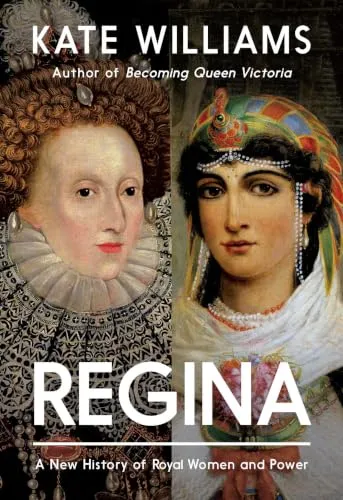
For centuries, royal women have fought to earn the same respect as men in their courts, a subject historian Kate Williams explores in her new book, Regina: A New History of Women and Power. From Cleopatra to Princess Diana, queens and princesses have strategically used their images to influence public opinion, and when it comes to the modern royals, Williams tells Marie Claire that there’s one undisputed queen of brand-building.
“I think you know the OG model was the late Queen,” the author, broadcaster and professor says. “I mean, she was the most effective deployer of image really imaginable, and I think the most successful queens are the ones who do deploy image.”
In Regina, Williams unpacks how Queen Victoria used tactics like portraits and photography to create an image of “the domestic goddess Queen who was totally happy at home.” But Queen Elizabeth took a different approach to the Royal Family and used television to make her coronation day a “golden fairy tale,” the author says.
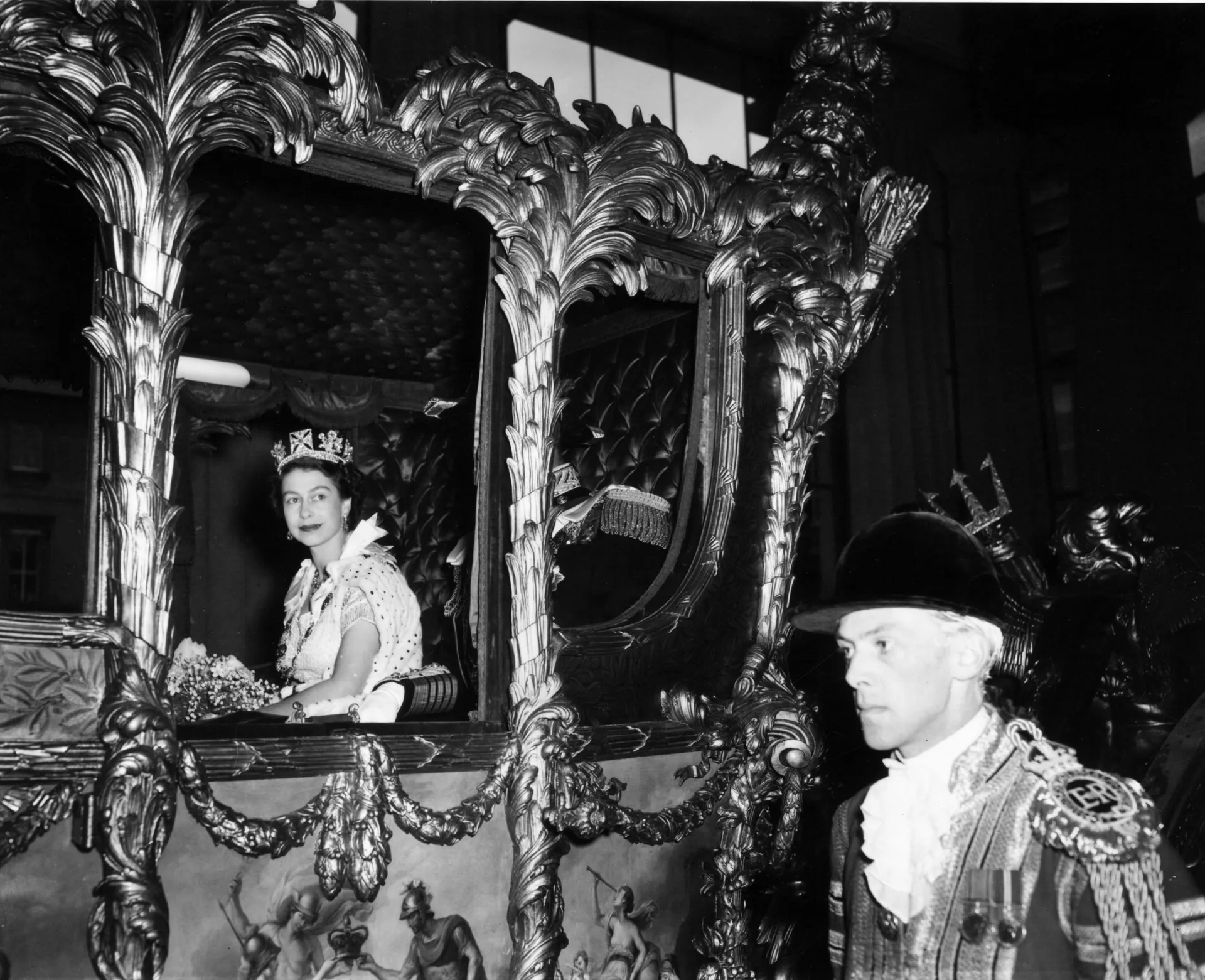
Queen Elizabeth rides in the Gold State Coach on her coronation day.
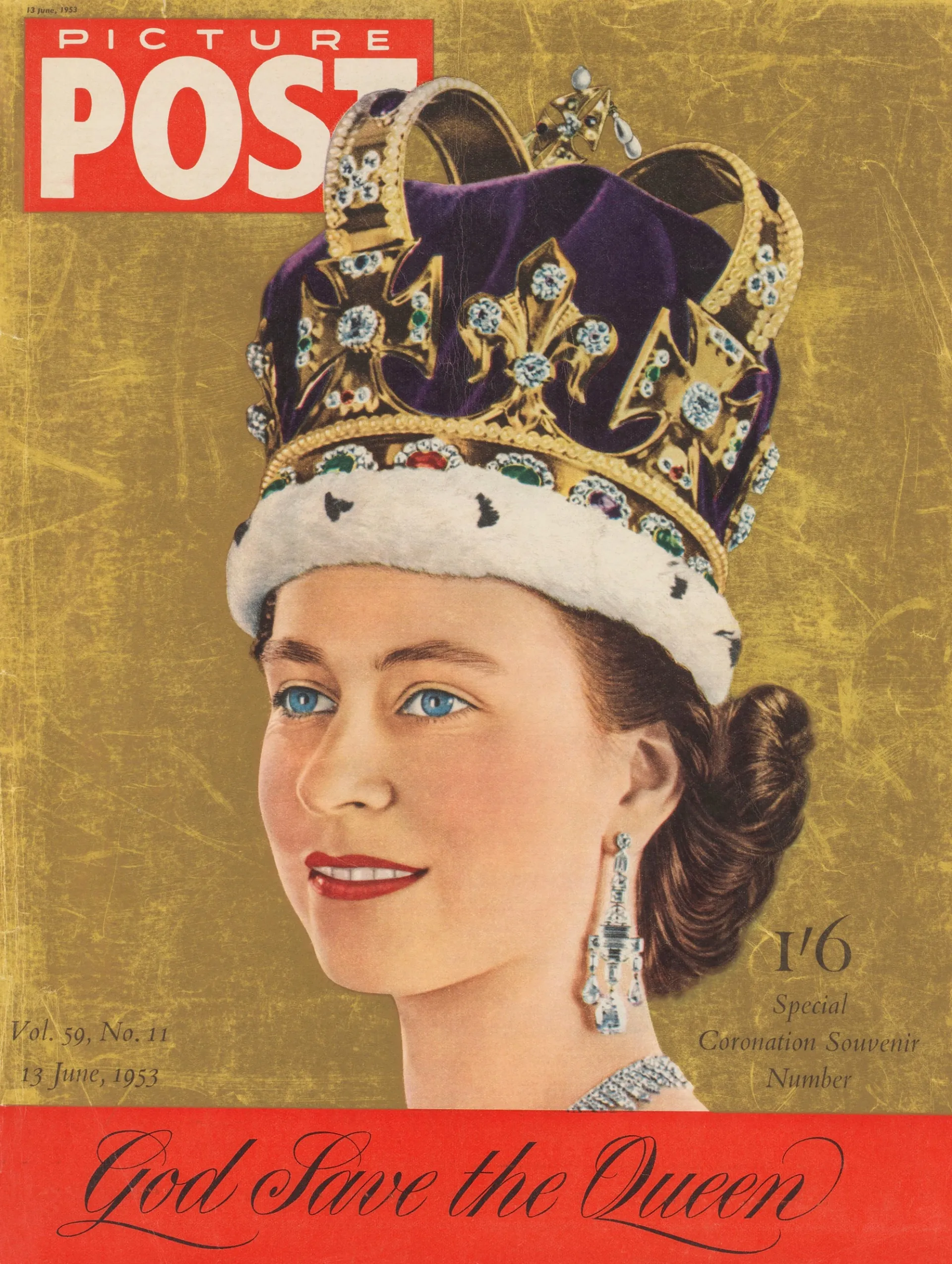
Queen Elizabeth's image was everywhere from magazines to souvenir plates after her coronation on June 2, 1953.
“I know we say that Charles and Diana's wedding was presented as a fairy tale, but really the coronation was,” Williams shares. The late Queen was coming to the throne in the early 1950s—a period the Regina author calls “the worst time to be a Queen regnant” due to the post-WWII image of “women back into the home.”
Elizabeth, however, was “a magical princess, and this was a world in which there was still rationing, there was still a lot of poverty,” Williams says. “So the image that is created is is one of pure magic, and pure gold and pure youth and brilliance.”
Queen Elizabeth’s coronation was the first to be televised, and even though many homes in Britain didn’t have TVs yet, roughly 7.8 million people watched the ceremony in their own homes, and nearly 12 million tuned in at a pub or at the home of a friend or family member, per the BBC.
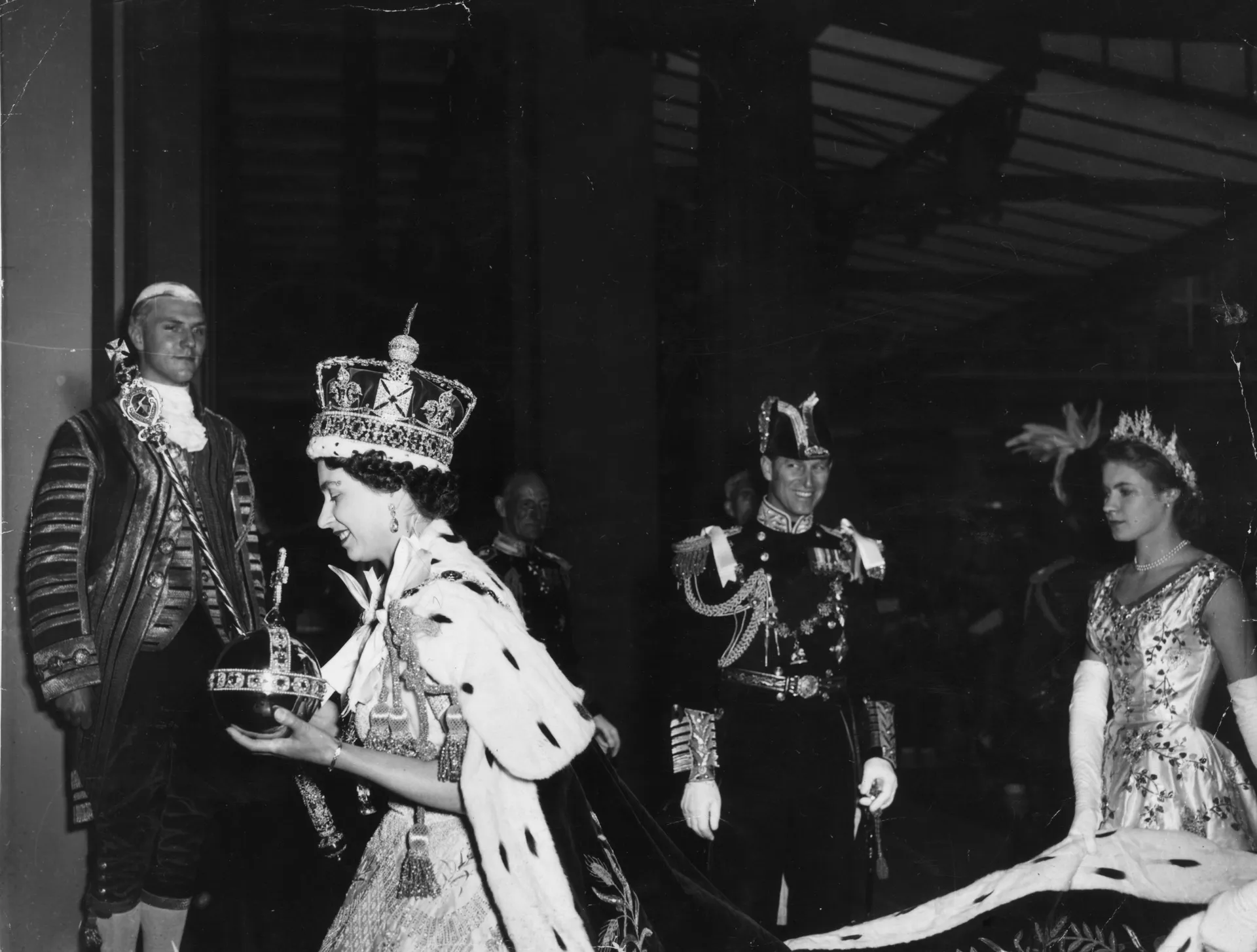
Queen Elizabeth, wearing the Imperial State crown and carrying the Orb and Sceptre, returns to Buckingham Palace after her coronation.
The excitement of the coronation gave a much-needed boost to the country, with Williams noting: “It's just like Princess Margaret said: ‘Oh, after we saw the coronation, it's like a phoenix time. We just thought things would get better and better.’ Whereas Britain was in mass decline.”
Throughout her 70-year reign, Queen Elizabeth continued to use the power of television to present herself—and the monarchy—in a positive light, whether it was pretending to jump out of a helicopter during the 2012 London Olympics or the adorable Paddington sketch she took part in during her Platinum Jubilee.
"Elizabeth was, I mean, a genius," Williams says, adding that the late monarch knew image was "very important" and how "perception is just as important as reality when it comes to monarchy."
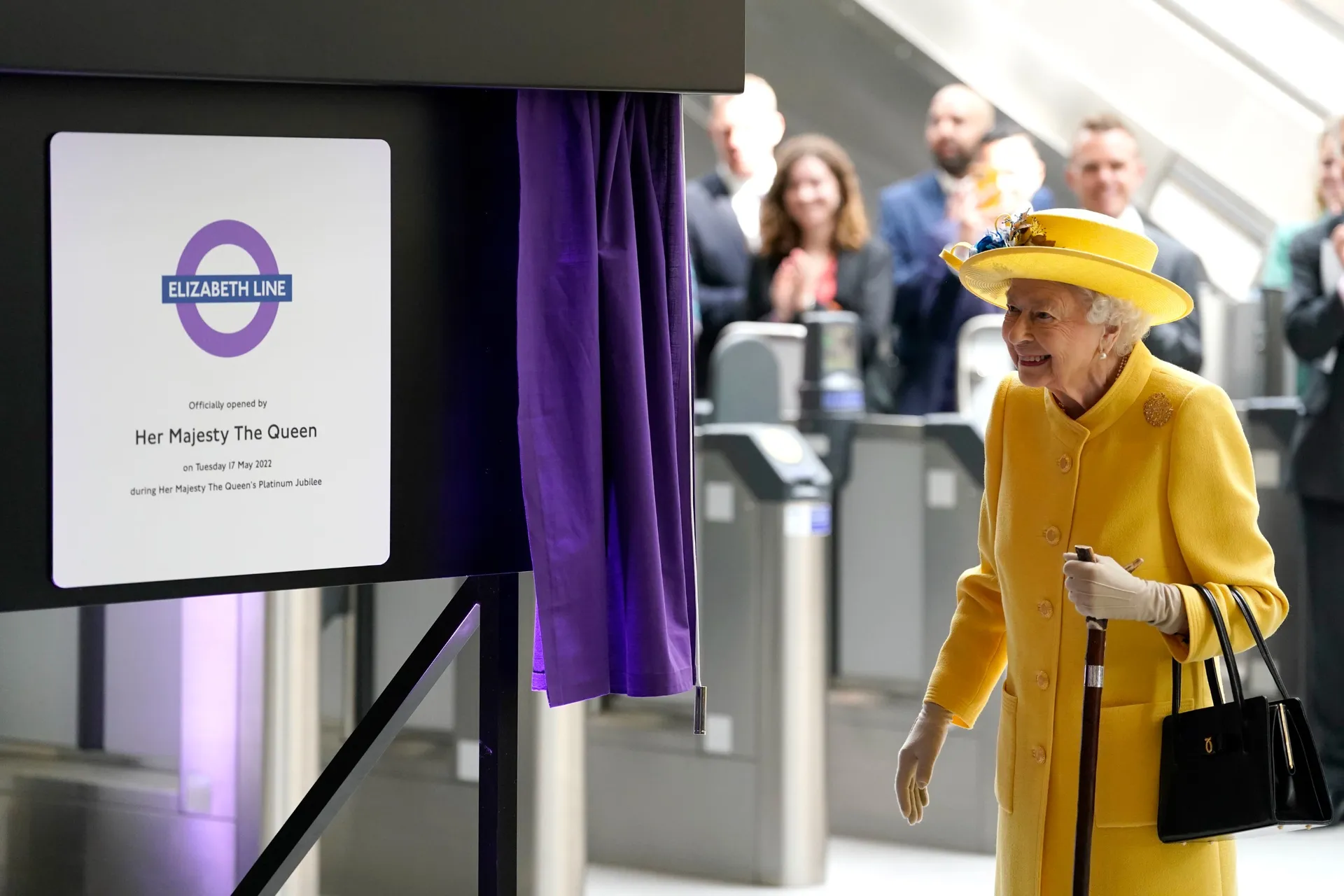
Queen Elizabeth opens the London Underground's Elizabeth line in May 2022.
The royal historian points out that for male monarchs, it's easier to show different sides of their personality, but "when you're a female monarch, you have to see what society will find acceptable." While Queen Elizabeth I focused on being "basically a version of the Virgin Mary," Queen Elizabeth II "emphasized duty and service."
"She turned judicious silence into a incredible political weapon," Williams said. However, the historian acknowledged the constraints of Queen Elizabeth's period, adding, "But at the same time we might also argue that service and not always saying lots and lots is something that society at the time found acceptable for women."
Also By Kate Williams