Everything You Need to Know About Psoriasis, Straight From Top Dermatologists
From diagnosis to treatment.


Inflammation is one of those buzzwords that seems to be everywhere—and these days, we're all trying to have less of it. Whether that means adopting an anti-inflammatory diet, starting peptides, or overhauling your beauty routine for a calmer complexion, inflammation has gotten a pretty bad rap.
But not all inflammation is bad. It is a natural function of the immune system. Problems arise when that immune response goes into overdrive. That's essentially what happens with psoriasis.
“Psoriasis is a systemic inflammatory condition,” explains board-certified dermatologist Adrienne Rencic, MD. An overactive immune response drives the condition, and for those living with psoriasis, a flare-up can be triggered by everything from stress and illness to something as seemingly minor as a cut or scrape. “Psoriatic skin reacts very strongly to injury or insult to the body,” Dr. Rencic warns.
So, unlike the everyday tweaks we might make to reduce inflammation, managing psoriasis isn't as simple as making a few lifestyle changes. Understanding what's happening beneath the skin's surface is the first step toward getting it under control. To help clear up some misconceptions about psoriasis (no, it's not the same as eczema) and learn more about the latest treatment options, I went straight to the experts.
What Is Psoriasis?
As Dr. Rencic mentions, psoriasis is an inflammatory condition. But what exactly is happening beneath the skin? “The immune system sends excessive inflammatory signals that tell skin cells to multiply far too fast,” explains board-certified dermatologist Geeta Yadav, MD. While normal skin renews itself over roughly a month, that process speeds up significantly in psoriasis. Within just a few days, “cells pile up on the surface as thick, scaly plaques,” she explains. “These cells, instead of monitoring the skin and realizing there is no real threat and retreating, remain in the skin, causing prolonged inflammation manifested as redness and scaling.”
Not all psoriasis looks the same, either. In fact, there are five main types: plaque psoriasis, inverse psoriasis, guttate psoriasis, pustular psoriasis, and erythrodermic psoriasis. You're probably most familiar with plaque psoriasis, which typically presents as well-defined, scaly patches on areas like the elbows and knees. (It's also the one Kim Kardashian famously has.) But here's a crash course on the others, with some help from Dr. Rencic.
- Inverse psoriasis occurs in skin folds, like the armpits and groin. Because these areas are moist and experience friction, the patches can look different from those associated with plaque psoriasis and are often mistaken for a fungal or yeast infection.
- Guttate psoriasis usually develops after an infection and consists of small, up to dime-sized spots that tend to be thinner, less scaly, and less red than plaque psoriasis.
- Pustular psoriasis is characterized by reddened skin with small, pus-filled bumps that can be very painful.
- Erythrodermic psoriasis is a particularly severe form that can affect nearly the entire body. And psoriasis isn't limited to the skin alone. It can also affect the nails, points out board-certified dermatologist Elyse Love, MD. This can look like “pitting, scaling, separation, and poor growth of the nails,” explains Dr. Rencic.
Can Anyone Get Psoriasis?
The short answer: yes. But genetics are probably the biggest factor. “A large share of patients have an affected relative, and specific genes can also raise the risk,” explains Dr. Yadav. For someone who's already genetically predisposed, certain triggers can bring on the condition. These include infections like strep throat, smoking, obesity, heavy alcohol consumption, and stress, says Dr. Yadav. Certain medications, including lithium and beta blockers, can also play a role.
Age is another consideration. Dr. Rencic says that “the more genes a person has predisposing them to psoriasis can lead to occurrence earlier in life and greater severity.” Psoriasis most commonly develops between the late teens and 30s or in the 50s and 60s, adds Dr. Yadav. However, later-onset psoriasis tends to be more closely associated with modifiable lifestyle factors than a strong genetic link, explains Dr. Rencic.
While there's currently no cure for psoriasis, there are plenty of ways to manage it.
Even geography may play a role. According to Dr. Rencic, psoriasis becomes more prevalent the farther you get from the equator. “Fair-skinned people are more likely to have psoriasis than darker skin types, but disease can be more severe in darker skin types.”
And speaking of skin tones, psoriasis doesn't always have the same appearance across complexions. “On lighter tones, psoriatic plaques may look pink to red, while they tend to look more red to brown in darker skin tones,” explains Dr. Love. “Darker skin tones will also have associated post-inflammatory hyperpigmentation in addition to active psoriasis plaques.”
What's the Difference Between Psoriasis and Eczema?
Although both conditions can cause redness and itching, and may look similar to the untrained eye, “psoriasis and eczema are caused by different types of immune responses,” explains Dr. Rencic. They also tend to look and behave differently. “Psoriasis plaques are usually thicker and sharply outlined, with a silvery-white scale, and they like the outer elbows and knees,” says Dr. Yadav. Eczema, on the other hand, tends to be less defined and more patchy. It also commonly appears in skin folds, including the creases of the elbows, behind the knees, and around the neck.
The age at which symptoms first appear can also be a clue. “Eczema often starts in childhood and runs alongside allergies or asthma,” explains Dr. Love. “Psoriasis rarely presents before the teen years, and most classically presents in adulthood.” It's also more frequently linked to conditions like arthritis, heart disease, obesity, and diabetes, says Dr. Rencic. These associations can help dermatologists distinguish between the two when making a diagnosis.
Can I Cure Psoriasis?
While there's currently no cure for psoriasis, there is good news: there are plenty of ways to manage it, from topical and oral medications to injectable treatments and lifestyle changes. And the right approach will look different for everyone.
According to Dr. Yadav, the goal is achieving “clear skin that stays clear.” To determine the best course of treatment, she considers several factors. “I look at how much skin is involved and the location (which matters just as much).” After all, a small patch on the scalp, face, palms, or genitals can have a greater impact on someone's quality of life than a larger patch on the back. She also considers whether a patient is experiencing symptoms of psoriatic arthritis—a condition that causes joint pain in psoriasis patients—or has risk factors for joint involvement. Together, these considerations help determine whether a topical, oral, or injectable medication makes the most sense.
Dr. Yadav is also excited about several newer treatments, including the injectable biologic Bimekizumab. In phase 3 clinical trials, she notes, around 60 percent of patients achieved completely clear skin by week 16. For those with milder cases, newer non-steroidal topicals have expanded the options, too. “Roflumilast and Tapinarof are once-daily creams that can go on the face and skin folds without the limits we put on steroids,” she says. Another promising benefit? According to Dr. Yadav, some patients using Tapinarof maintained clear skin for up to three months after discontinuing treatment.
Because managing psoriasis often requires a multifaceted approach, some dermatologists also consider complementary strategies. Dr. Love points to Broc Shot, a supplement containing sulforaphane, a naturally occurring compound found in broccoli, for its potential to support inflammatory balance and protect against oxidative stress. As always though, consult with your board-certified dermatologist.
Can a GLP-1 Help Manage Psoriasis?
GLP-1s have entered the psoriasis chat, too. “The addition of GLP-1 treatment to an IL-17-blocking psoriasis treatment has shown better improvement than the IL-17-blocking treatment alone,” says Dr. Rencic, pointing out that “many people with psoriasis struggle with their weight.” The connection? “Fat tissue produces inflammatory signaling molecules which may further contribute to the inflammation worsening psoriasis and psoriatic arthritis.” While more research is needed, the findings suggest another potential avenue for managing the condition.
How Do I Manage Psoriasis?
While prescription treatments can make a significant difference, what you do outside the dermatologist's office matters, too. According to Dr. Rencic, skincare is essential to managing psoriasis, and Dr. Yadav notes that a good routine can even help prescription treatments work more effectively.
Step one is to optimize your skin barrier. Because the barrier isn't functioning optimally, gentle skincare and plenty of moisture are key. “I recommend thick, fragrance-free creams or ointments with ceramides, applied right after bathing,” says Dr. Love. To help soften and remove stubborn scales, she also points to ingredients like salicylic acid, urea, and lactic acid, which can be useful alternatives to aggressive physical exfoliation.
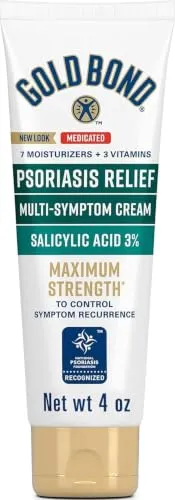
If you're looking for a maintenance lotion that's steroid-free and safe for daily use, try this guy. It has the National Psoriasis Foundation's stamp of approval and contains salicylic acid to help reduce itching.
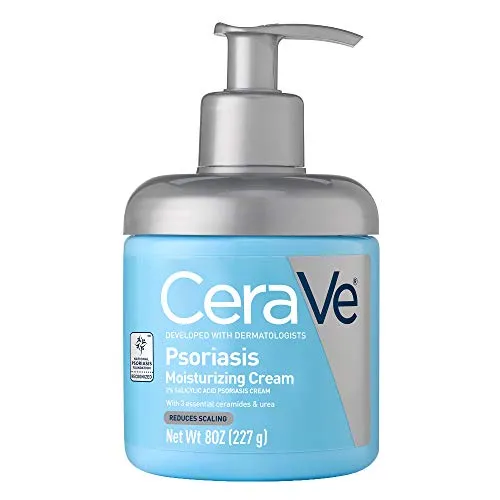
CeraVe excels at skin barrier restoration, so obviously, they have a five-star psoriasis cream. This one doesn't just contain salicylic acid—it's also packed with urea to help calm down inflammation.
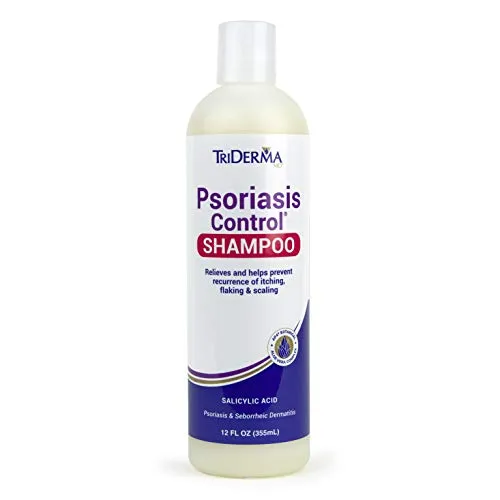
Dealing with psoriasis on your scalp can be particularly irritating—and hard to treat. This shampoo is one of the best OTC options on the market. It'll help relieve itchiness, reduce white flakes, and actually smells pleasant.
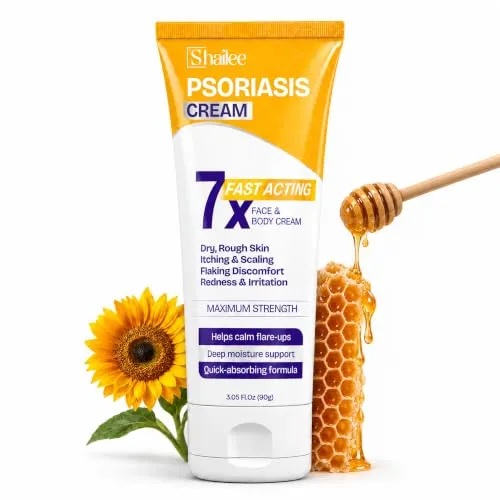
Reviewers love this cream because it's safe for use on face and body. They also say it excels at reducing redness and itchiness—especially on the knees and elbows.
As for what to avoid? Fragrance is one potential irritant, along with anything that creates unnecessary friction or trauma to the skin. “Using too many exfoliating products or abrasive scrubbing (with a loofah) can injure the skin,” says Dr. Rencic. That's particularly important because “any skin injury can trigger new plaques.” In other words, being gentle is non-negotiable, and picking at scales is a big no-no, a point all three experts agree on.
Beyond skincare, a few lifestyle adjustments can help support psoriasis management. Weight, for example, can influence both the development and severity of the condition. Dr. Yadav notes that patients with obesity who lose weight may respond better to treatment. “Quitting smoking and cutting back on alcohol both help, since each is linked to more severe disease,” she adds.
And while some sunlight exposure may help improve symptoms, that doesn't mean it's time to skip the SPF. Sunburn can actually trigger a flare-up, Dr. Love cautions, so protecting your skin remains just as important.
Why Trust Marie Claire
For more than 30 years, Marie Claire has been an internationally recognized destination for news, fashion and beauty trends, investigative packages, and more. When it comes to the products Marie Claire recommends, we take your faith in us seriously. Every product that we feature comes personally recommended by a Marie Claire writer or editor, or by an expert we’ve spoken to firsthand.
Meet the Experts
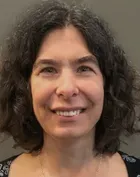
Dr. Rencic is currently a dermatologist in private practice in Glen Mills, Pennsylvania. She received her undergraduate degree at Johns Hopkins University and her medical and doctoral degree in molecular biology and biochemistry at Thomas Jefferson University in Philadelphia, Pennsylvania. She completed her dermatology residency at Johns Hopkins University.

Dr. Geeta Yadav is a board-certified dermatologist who trained at University of Toronto, Johns Hopkins and the Northern Ontario School of Medicine. Dr. Yadav, founder and medical director of FACET Dermatology, is an expert in both medical and cosmetic dermatology.
Her practice specializes in atopic dermatitis, psoriasis, and skin cancer. She has a special interest in skin of colour and her expertise is regularly quoted in mainstream publications.
Her social media content bridges the gap between complex medical knowledge and everyday skincare solutions, making expert dermatology accessible to her global audience.
Dr. Yadav is frequently featured at national and international conferences as a key subject matter expert.

Elyse M. Love, MD is a dermatologist who served as chief of aesthetics during her final year of residency, with a clinical and research interest in the quality of life impact of dermatologic conditions.
