Bottled Water Is the Newest Status Symbol for the Wellness Set—But Are the Health Claims All Hype?
Here's what's happening in the modern water wars.


Growing up as a water snob, I looked for certain criteria when picking my plastic-bottle-of-the-day off the grocery store shelf. I wanted a name and logo that suggested the contents came from a glacier or some exotic spring of sorts. The Deer Park filtered option in my hometown of Allentown, Pennsylvania just wouldn’t cut it. I wanted to feel like my water was harvested from an idyllic place far, far away from science and civilization. Somewhere like Fiji.
But the new generation of water brands aren’t selling the romance of the source; they're emphasizing what happens after: the testing, the filtration, the packaging, and the reassurance that they care—likely more than you do—about the quality of the H20 going into your body. Of course water is a necessity, but in 2026, water brands are quickly becoming sexy little status symbols to bring to the Alo Gym or toss in a luxury handbag. Water has become, almost improbably, a wellness flex.
"Bottled water used to be all about provenance, and that shaped much of its packaging, very nature-coded with classic imagery of mountain springs and glaciers," says Laura Jeffrey-Swain, senior food and beverage editor at trend forecasting company Stylus. "Now a key selling point is clean hydration, free from microplastics and nasty chemicals,”
The shift isn’t subtle. In fact, it’s quite in your face if you decide to take a stroll through any obnoxiously bougie grocer in Los Angeles or the West Village.
Loonen, which is arguably the most popular option (searches have skyrocketed for the drink, spiking well over 100 percent on Google Trends since its launch last year), touts a QR code that links its consumers to a full breakdown of its “key lab results from our latest finished-goods testing, including the top contaminants we measure and why those matter.”
Then there’s WaterOuai!, the water brand slash second act from Supergoop! founder Holly Thaggard, whose Japanese-made SUPERCAN™ is designed around reducing exposure to chemicals and microplastics from traditional plastic packaging. Or, look at the soon-to-launch Jetty, a new venture from Poppi founder Allison and Stephen Ellsworth, that promises to be the “everyday essential missing from your life,” according to the brand's Instagram account.
Water—like laundry detergent, deodorant, and oral care—is simply the latest personal care category primed for a makeover.
The common denominator isn't really a mineral profile or an exotic provenance; it's the idea that water should be assessed by it’s composition (think: minerals, vitamins) and chosen intentionally. "I think it helps that everyday hydration has become tied to skincare, sitting alongside familiar beauty rituals," Jeffrey-Swain says.
Water—like laundry detergent, deodorant, and oral care—is simply the latest personal care category primed for a makeover. “We're living through a broader shift where people are questioning the things they used to take for granted," says Thaggard, who first glamorized daily sunscreen. "What's in my food? What's in my skincare? What materials am I bringing into my home? What am I drinking out of?" She explains that she hopes consumers look beyond the water itself and "consider the entire experience: where it comes from, what it's packaged in, what materials are touching it, and how it fits into their lives."
The curiosity around product origin and health benefits is palpable. According to a 2024 IFIC Food and Health Survey, 54 percent of people are regularly exposed to nutrition content on social media, and as a result, have higher standards for what’s going into their bodies.
Despite the fact that water is a natural resource and vital to our functioning as human beings—we’re 60 percent water after all—not all H2O is created equal. "You cannot reliably judge water quality simply by how clear it looks or how it tastes," a spokesperson for Waterdrop, a tricked-out at-home filtration system, tells me. At baseline, the packaging is important. These new-era brands are eschewing plastic bottles and opting for aluminum or glass packaging to avoid the risks associated with ingesting microplastics or leached chemicals like endocrine disruptors.
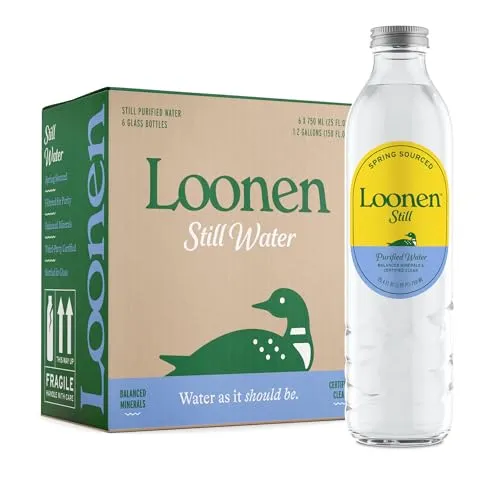
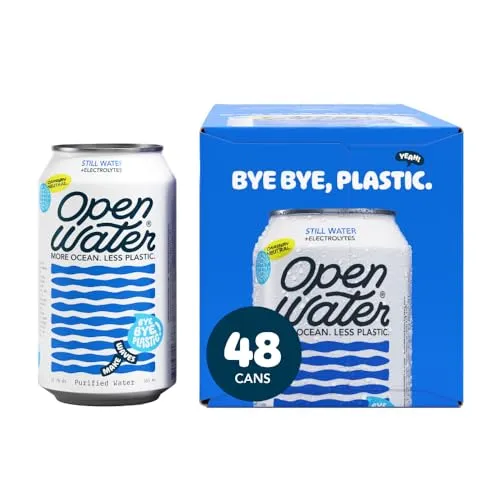
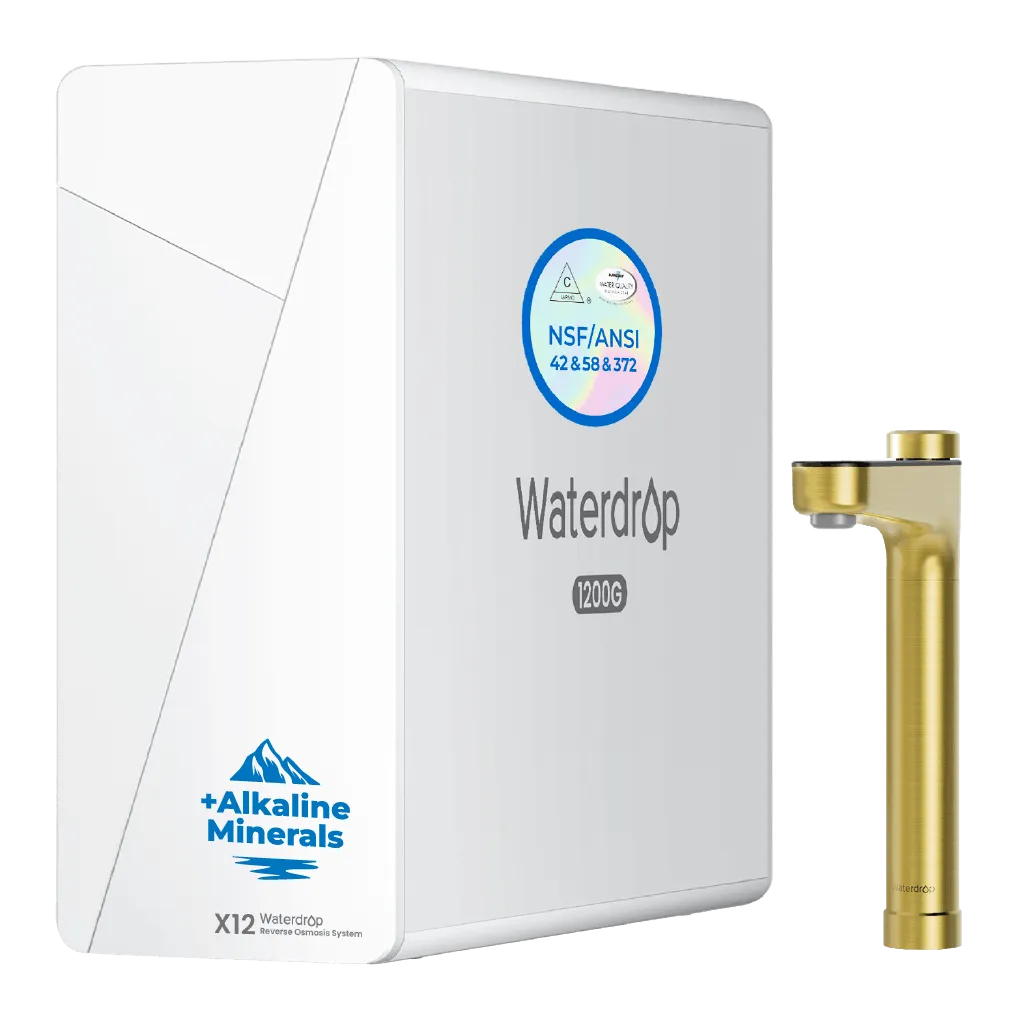
The brands and founders making waves in the current water wars are taking every facet of production into consideration: purity, taste, packaging, and transparency. “There is no single metric that can determine whether one type of water is 'healthier' than another," says the Waterdrop spokesperson. "Water quality involves several factors, including microbiological safety, specific contaminants, mineral composition, taste, and the needs of the individual household. More minerals do not necessarily mean better water." They note that consumers should pay more attention to unwanted contaminants, since substances such as lead, arsenic, certain PFAS, nitrates, or harmful microorganisms can become concerns when they are present at elevated levels. Unfortunately, unless there's visible cloudiness or damaged packaging, it's hard to determine a bottled water's safety without independent testing.
That's where these new-age brands excel. They're handing consumers their most recent lab results and comprehensive mineral breakdowns in the name of transparency. The goal? Prove that they're not just selling pretty packaging. In today's landscape, you can scan a code, like with Loonen, and see mineral composition and recent lab testing, watch lengthy videos explaining how the brand avoids microplastics (see: waterouai!), or have a monitor assess in real time your water's pH levels and mineral content, like the tech built into Waterdrop.
When something is part of your day as often as water, why shouldn't it be beautiful?
Holly Thaggard
"The goal isn't to make water complicated. It's to make people care about it," says Thaggard. But it does beg the question: how far are we willing to go—and spend—on glamorizing a daily necessity? After all, tap water is free, and fancy waters are running $6 a pop for a small-ish bottle. For Meredith, a 29-year-old corporate lawyer in Manhattan, it's looking like at least $1,800 a year. "I've been chronically dehydrated my whole life and since I started buying Loonen, I swear I'm drinking more water than ever. I've fully bought into the hype. It taste better. I actually reach for water when I never have before," she says.
People like Meredith likely won't be the norm in the long term, though, Jeffrey-Swain predicts. "I suspect the answer for a lot of people will be a good filter at home rather than a fridge full of glass bottles." It's a bigger investment up-front—some of these filters exceed $1,200—but they're durable for years. The bonus: you can keep using your emotional support water bottle, be it a Stanley, Bink, Owala, or Yeti.
Ultimately, I don’t think the water rebrand is really about making hydration “healthier.” It’s about rebranding the littlest luxury—an overpriced bottle of water—into a worthwhile, healthier-for-you treat. But it’s also a sign that your fancy water bottle can and should spark joy, taste really crisp, and feel cool to carry. At the very least, this water trend is making me a more hydrated human. That’s a win in my book.
Why Trust Marie Claire
For more than 30 years, Marie Claire has been an internationally recognized destination for news, fashion and beauty trends, investigative packages, and more. When it comes to the products Marie Claire recommends, we take your faith in us seriously. Every product that we feature comes personally recommended by a Marie Claire writer or editor, or by an expert we’ve spoken to firsthand.
Meet the Experts

As Trends Editor for Food & Beverage and Hospitality & Leisure, Laura investigates everything from global dietary shifts and sustainable food production to destination marketing and evolving traveller attitudes. She then translates these insights to help brands understand how to better serve consumers and the planet, both now and in the future.
Before joining the Stylus team in 2016, she worked in public relations for the food, beverage, travel and hospitality sectors, representing a number of multinational brands as well as disruptive start-ups.
She is particularly passionate about how food and travel brands can drive meaningful change by innovating in ways that safeguard health, spark joy, ensure fair and equitable supply chains, and protect the environment.
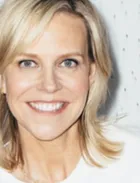
Holly Thaggard is the visionary founder of Supergoop!, the first brand fully dedicated to UV protection, credited with transforming sunscreen into a daily wellness essential through breakthrough, first-to-market formulas. Her commitment to skin health earned Supergoop! a spot on TIME’s 100 Most Influential Companies list and a place on Allure’s “Best of Beauty” list for eight consecutive years. Alongside her son Will, she is now co-founder of WaterOuai! (sounds like WAY), a next-generation hydration brand tackling hidden health risks in traditional bottled water by addressing microplastics and endocrine disruptors while prioritizing cleaner, wellness-driven solutions for the future. Recognized by Entrepreneur, Inc., CEW, EY, and the Texas Business Hall of Fame for her impact, Holly continues to build purpose-led brands that advance health and innovation.