Gird Your Loins: Aline Brosh McKenna Answers All of Your Questions About 'The Devil Wears Prada 2'
The screenwriter explains what it was like returning to Andy and Miranda after 20 years.

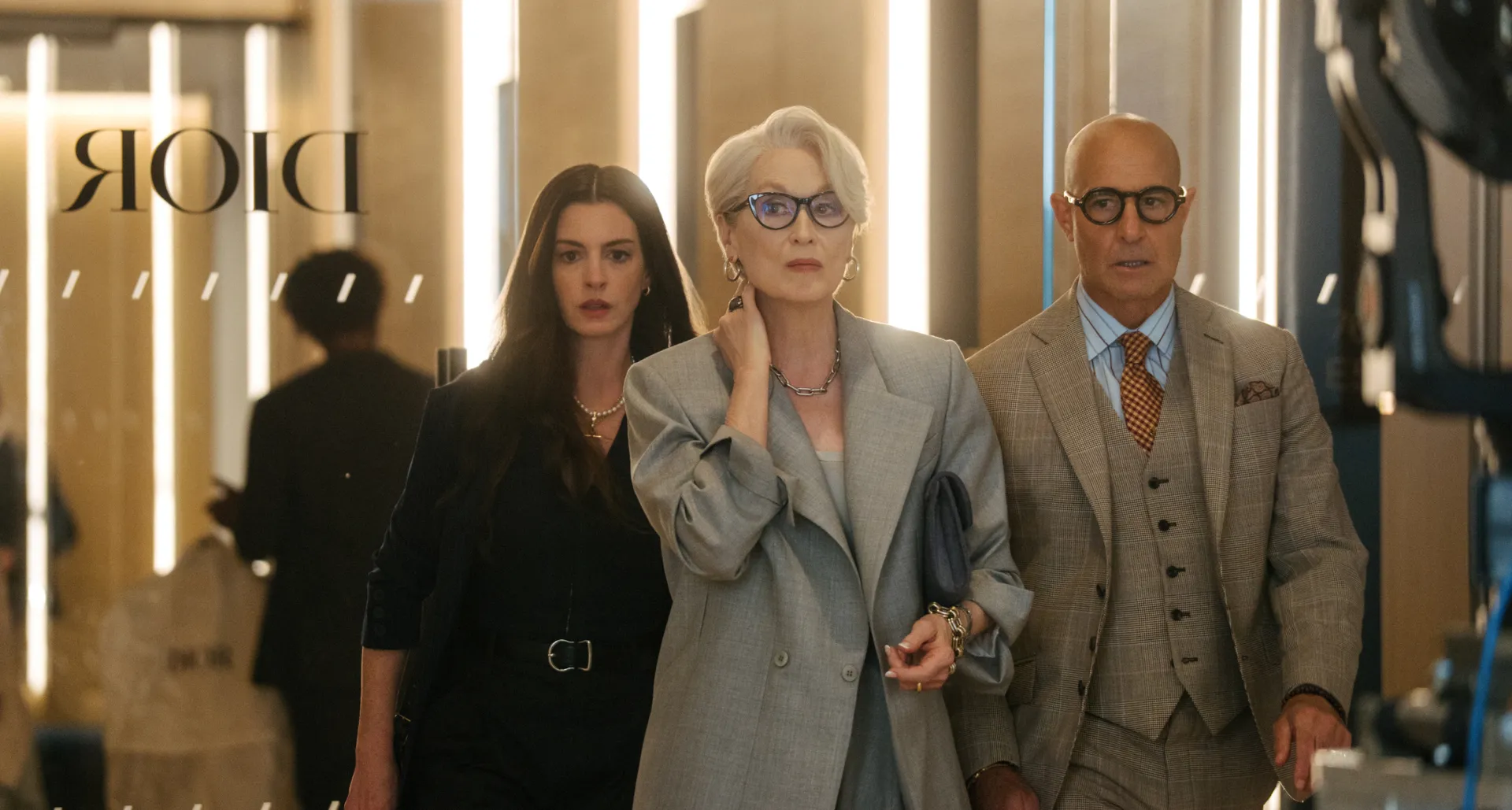
Spoilers ahead for The Devil Wears Prada 2.
The Devil Wears Prada, when it came out in 2006, balanced an all-too-real look of working for a nightmarish boss with a fashion fantasy, where the heroine could suddenly get her hands on a pair of thigh-high Chanel boots. The Devil Wears Prada 2 pulls off a similar trick. It still offers a delicious peek inside the world of high fashion—with a trip to Milan and a performance by Lady Gaga—but it also presents an honest portrait of an industry trying to cling to relevance.
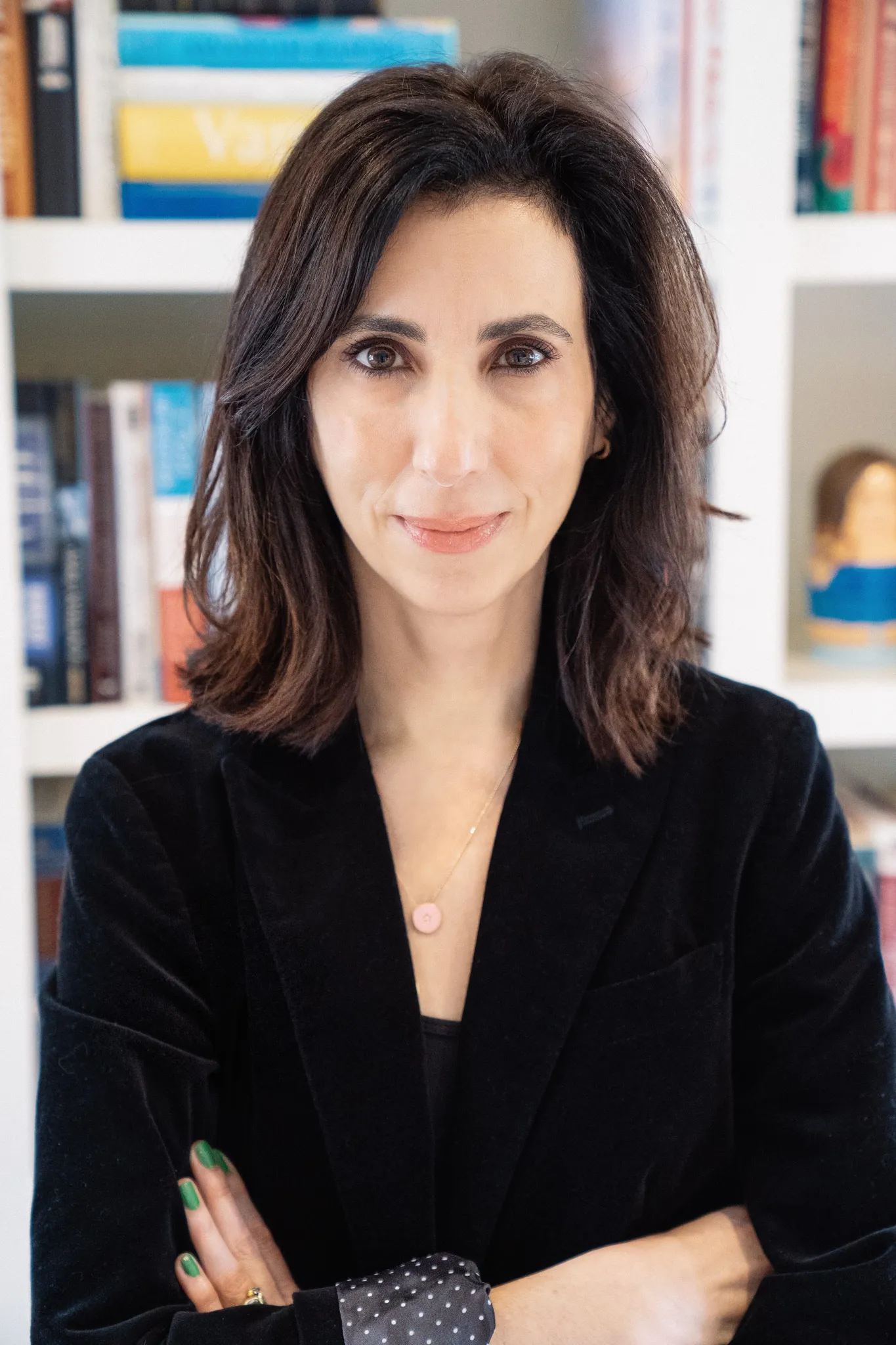
"I just love those characters, they've never left me," Aline Brosh McKenna says of Andy and Miranda.
In the opening moments of the film, Anne Hathaway's Andy Sachs, now a newspaper reporter, is laid off via text. Meanwhile, her old boss Miranda Priestly, played by Meryl Streep, is weathering budget cuts and digital-first prioritizations at her magazine, Runway.
Screenwriter Aline Brosh McKenna recognizes the plot may be triggering to journalists, but she also sees this as a universal story. "I mean, we're all going through it," she says. "All businesses are very aware of the downward pressure of who owns you and who controls you."
Andy lands back at Runway as features after Miranda finds herself in the middle of a PR-crisis after she runs an ill-advised story. And while Miranda remains as icy as ever, they eventually find common ground when they try to save what's left of Runway from the corporate vultures who want to decimate it even further. In an interview with Marie Claire ahead of the movie’s May 1 debut, McKenna speaks about returning to these characters after decades, her favorite cameos, and the sequel's already viral moments.
Marie Claire: When did you start honing in on what this story would be?
Aline Brosh McKenna: I think I started pestering [director] David [Frankel] in the pandemic. It seemed like Miranda would inevitably have gotten herself in some kind of trouble in that era—there's been a real decline in the power of cultural icons and public intellectuals; It felt like there were sort of towering institutions that you thought were never going to change. I really was aware that Miranda's fiefdom would have really fundamentally changed, and that her power would be checked by corporate forces, social forces, cultural forces, changing interpersonal dynamics, office dynamics…anytime you just think about Miranda having to interact with HR—I wish we had outtakes of her calls with HR where things have to be explained to her.
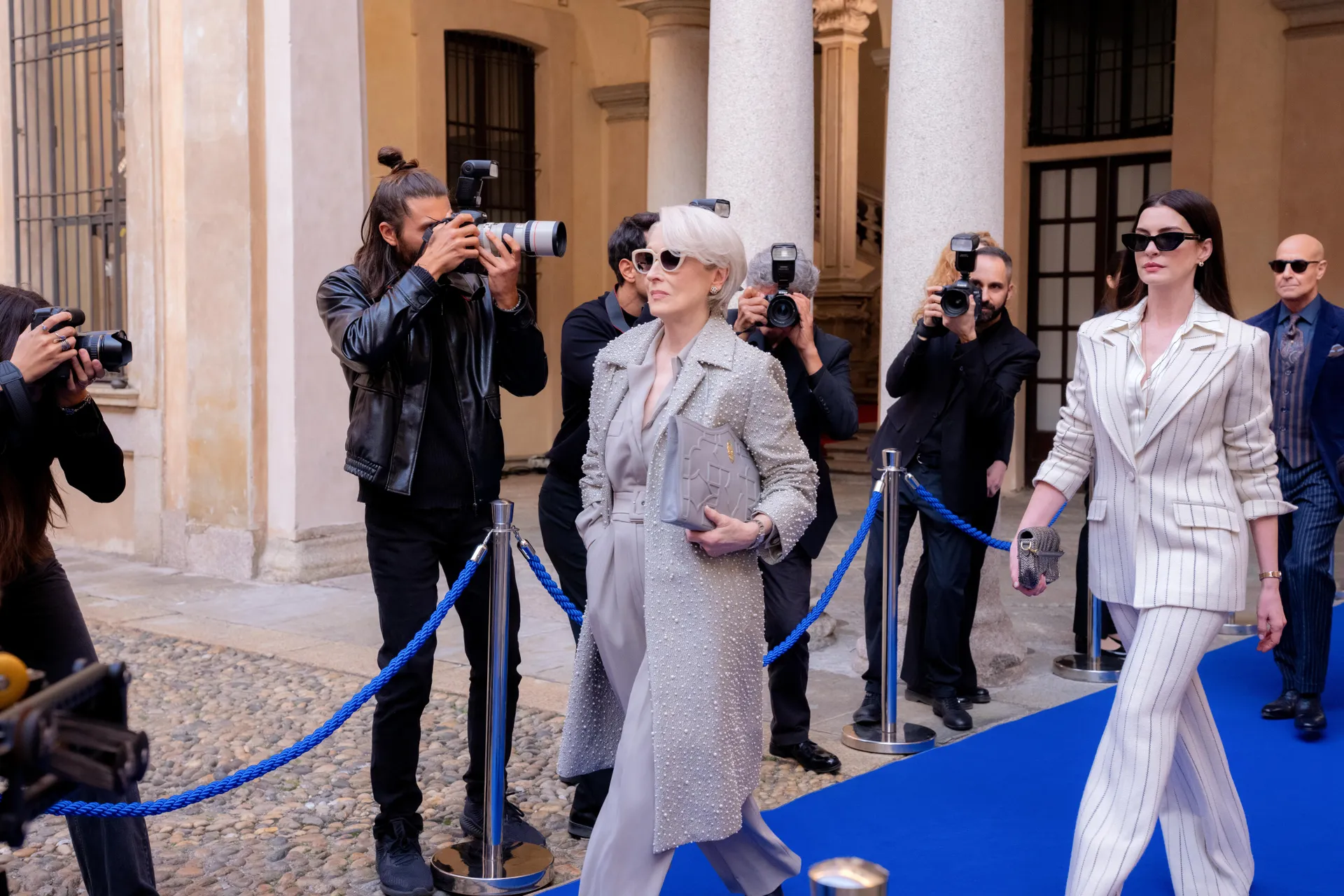
Miranda Priestly (Meryl Streep) and Andy Sachs (Anne Hathaway) navigate a new fashion media landscape in The Devil Wears Prada 2.
MC: Did you have those scenes?
ABK: No, but I could just sit here and write: somebody calls her and says, "You cannot say that about someone's pants." I don't think she would do well with the policing of behavior and utterances.
MC: How did that fit in with where you wanted Andy to be?
ABK: There's a real chastened purity to the end of the first movie where she thinks she's above it all and then she goes back to her roots. I think she's more mature. But I love the idea that she's been really pursuing the thing that she loves, it's just the thing that she loves is maybe not a thing anymore.
MC: How did you think about balancing the realities of what it's like to be in a crumbling industry with the glamorous escapism that people want out of a Devil Wears Prada movie?
ABM: These are still very privileged people. It's like going to a fancy restaurant with someone's rich parents and then they complain about how the bread basket used to be better. There is something inherently pretty funny about these people, who have been bathed in enormous privilege, having it slowly, slowly pulled away from them in some big ways and some in small ways. And there just was this thing where wealthy executives had their travel cut enormously, but the tippy top-top people are still on the private plane.
But also we're not really worried that Miranda's shoe budget will be significantly slashed. All of her stuff is still high retail. But the assistants certainly are digging through Buffalo Exchange. We all used to dress like little business people when we were coming up, and I think things have become more casual also because the high-end stuff has become so expensive. A Chanel bag now is wildly out of step with people's income; doesn't stop certain people from buying it but those discrepancies are enormous now.
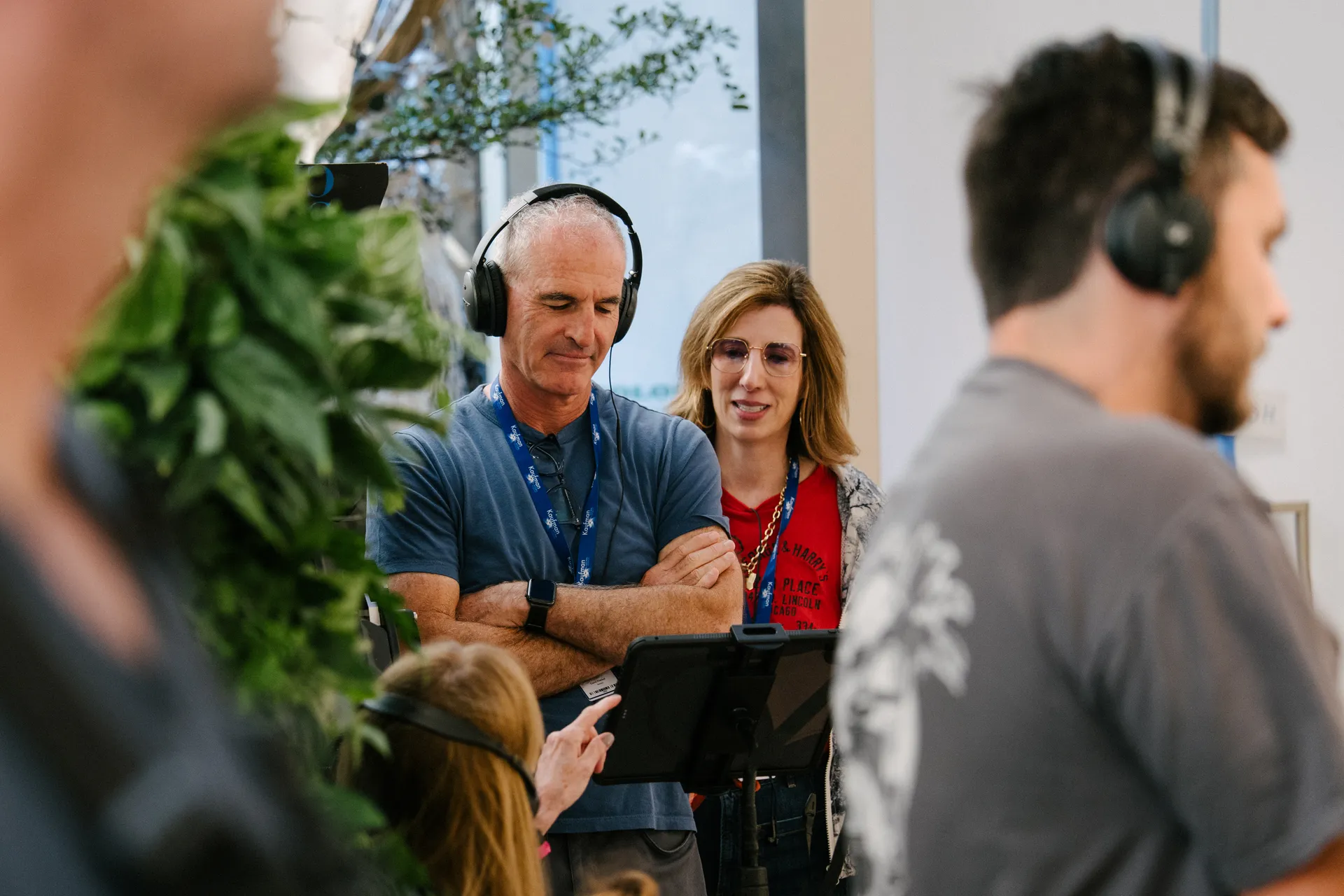
Director David Frankel and screenwriter Aline Brosch McKenna on the set of The Devil Wears Prada 2.
MC: What did you think of the role the assistants would play?
ABM: I've had a number of really great Gen Z assistants who maybe people felt like their manner was maybe unserious, but they were actually really smart and really resourceful. That was the inspiration for Jin's character: somebody who's maybe not the most intimidating when you meet her and maybe has a cadence that older people like to make fun of. But then she's actually one of the heroes of the movie; she's actually the only assistant who does anything plot-wise.
And then, Caleb [Hearon]'s character to me was somebody who just loves that place and wants to be part of that world, and understands the layout and is trying to get his bearings. I just love the idea of an enthusiastic kid who's just excited to be there and loved it when he got that call. I think his parents probably help him out a little bit here and there because he just loves what he does so much, and he's always loved fashion, and he dressed up for picture day.
Then Amari [played by Simone Ashley], I wanted to write someone who commands respect. There's certain people who command respect no matter what their position is, and you find yourself wanting them to think you're cool even though they're 22 and you're like, "I just really need this person to think that I'm smart and interesting." Those were the three aspects of it.
MC: Speaking of assistants, there was backlash to a clip of Helen J. Shen's character, Jin Chao, who is Andy's assistant, with critics saying she was an Asian stereotype. Did you have any reaction to that?
ABM: She's a hero. That was one of the things Helen and I spoke about a lot was that people underestimate her. She's very fashionable. All the young people are fashionable in a very different way. And Jin's fashion is very vintage-y. She has the clips in her hair. The other person in the movie who has clips in his hair is Marc Jacobs. That's like a big trend. So she's kind of trendy in this, again, Gen Z way where she's thrifted stuff. She's a certain kind of hipster. I don't even think she lives in Brooklyn, I think she lives in Queens.
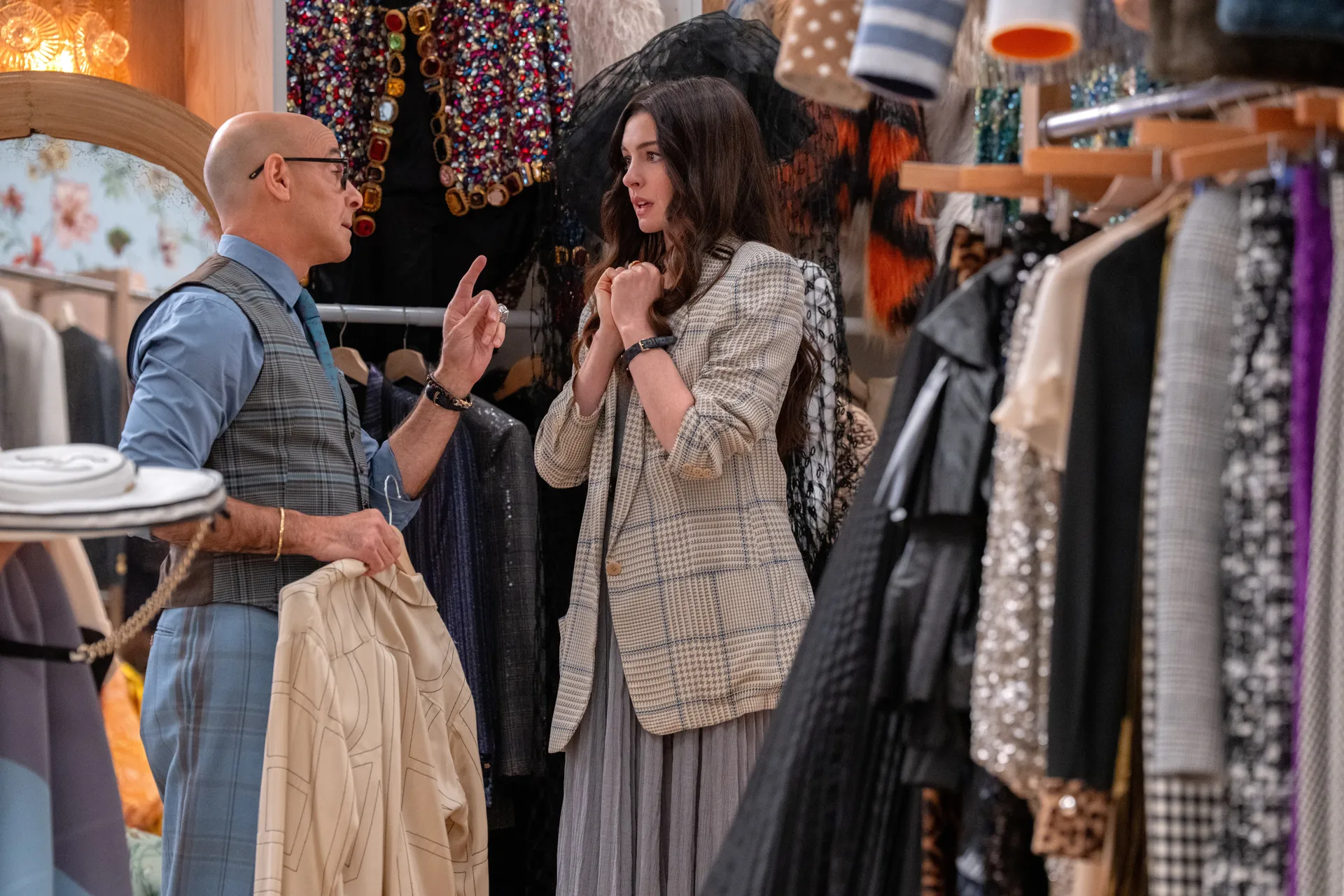
The Devil Wears Prada 2 arrives in theaters on May 1.
MC: Was it easy to slide back into the voices of Miranda, Andy, and Emily?
ABM: I just love those characters, they've never left me. Miranda is high status, always, so that's always fun to write. Emily's a nervous wreck, so that's really fun to write. I think Andy is a classic open-hearted heroine in many ways—and Annie is so funny. In working together on her, we found part of what's funny and fun about her is she's so enthusiastic and she gets excited. And there's just a tiny little line in the movie where she calls somebody and she says, "Just call me back. I'll be clutching my phone, clutching my phone." I feel like I'm so that person, that in a work context I should be a lot more unreachable than I am.
MC: In the years since the original there has been so much talk about how Andy's boyfriend Nate is the villain of that movie. How did you think about her love life in this one?
ABM: She's had a lot of relationships since then, but it's not her focus. She's stored her eggs, and she's footless and fancy-free. I wanted her to meet somebody awesome who appreciates her, takes the time to be a fan. But I wanted to show: What does it look like when Andy first meets somebody that she likes? Because she comes into the first movie with that relationship already established. I think just showing a woman in her 40s who's independent and has a lot going on, and when she meets a guy, what she cares about and what's attractive to her was very interesting to me.
There is something inherently pretty funny about these people, who have been bathed in enormous privilege, having it slowly, slowly pulled away from them in some big ways and some in small ways.
MC: Anna Wintour, real-life parallel of Miranda, has now embraced her, appearing on the cover of Vogue with Streep. But initially, there was fear around the first movie.
ABM: Both of those reactions are odd to me because I was handed a book. I didn't know who Anna Wintour was. And then, the character that I wrote was not that. And then, as Meryl plays her is not that. So in my mind, they're not the same. But one of the things I was excited about in the first movie is that I love fashion and I wanted to bring it to people with a reality to it and some gravitas to it, and I think that worked and it showed people the artistry. So, I think the goals of the first movie align with what Anna's always done, which is to champion fashion as an art form. I think she's embraced that more than anything else. I think the main thing that Miranda and Anna have in common is a lack of personal vanity. I think there's things that they care about that are greater than themselves, and it just so happens that Anna's aligned with the movie.
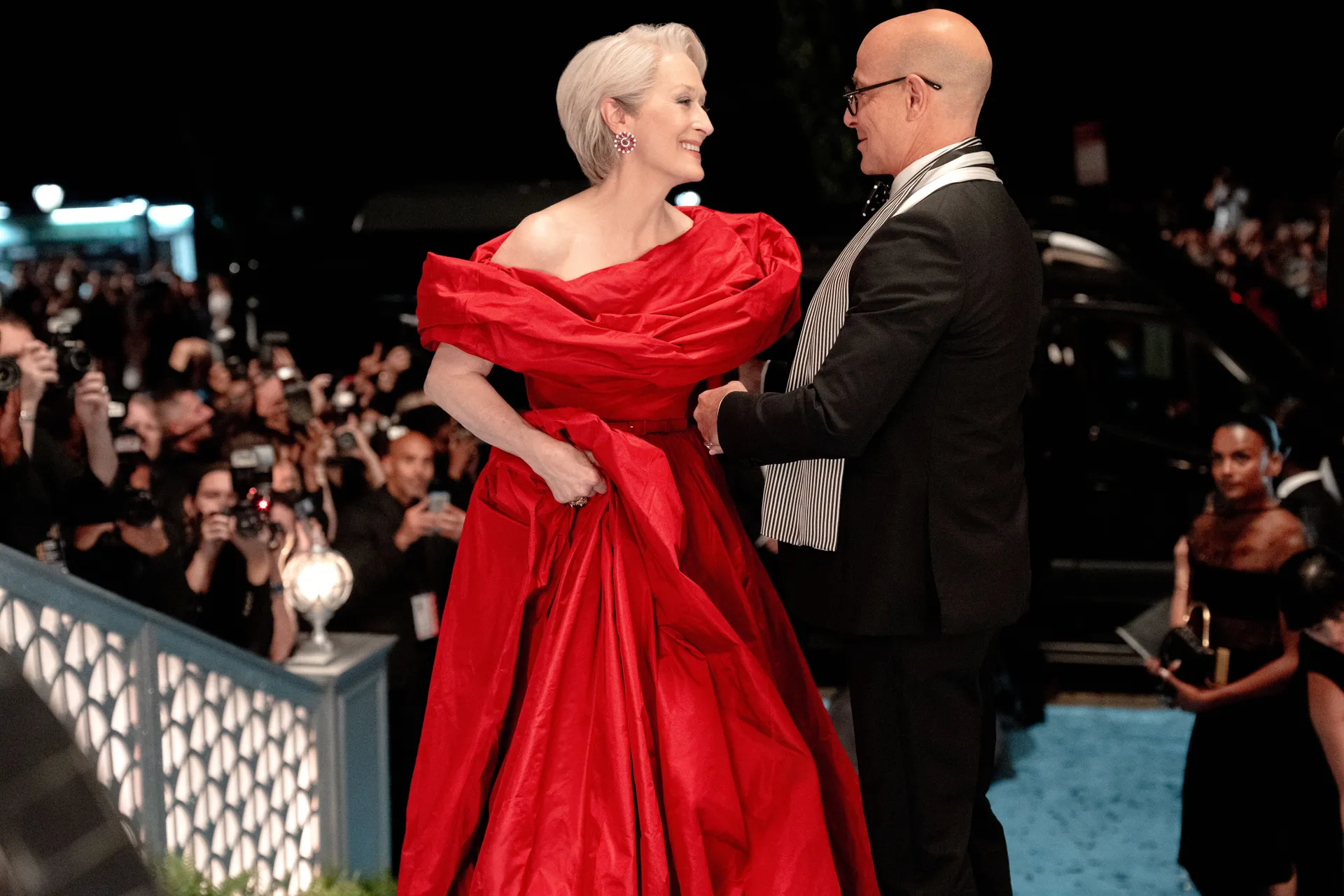
"I really was aware that Miranda's fiefdom would have really fundamentally changed, and that her power would be checked," says Brosh McKenna.
MC: There's a moment in the film where Miranda and Andy talk about loving their job. What did including that mean for you?
ABM: I mean, really, my dad loved work and my dad always said to me, "You got to find something you love." A lot of women love what they do, just love it. I think it's very, very hard to be good at something if you don't love it. I think it's almost impossible, because you won't put in the hours doing the shitty stuff if you don't love it.
MC: Did you have any say in the cameos?
ABM: I wrote Law Roach into the script because I feel like he's such an important figure. There were two people who worked on [getting the cameos] full-time because all those people who are famous are really busy. There was a wishlist and we got some of those folks and some of them we didn't. I personally wanted to make sure everybody was having a good time when they were there.
I think the goals of the first movie align with what Anna [Wintour]'s always done, which is to champion fashion as an art form.
MC: It took 20 years to make a sequel, but could you ever see yourself following these characters into the future?
ABM: I would follow them anywhere. The movie opens in two days, so let's not get ahead of ourselves, but let's see how it goes. They're fascinating people. We all owe a great debt to Lauren [Weisberger] for creating the characters. And she's a real sport. This movie doesn't use her sequel book, but she's been really great about it. She found a nerve, the title, this configuration of folks, there's a lot to mine there. I'm very grateful.
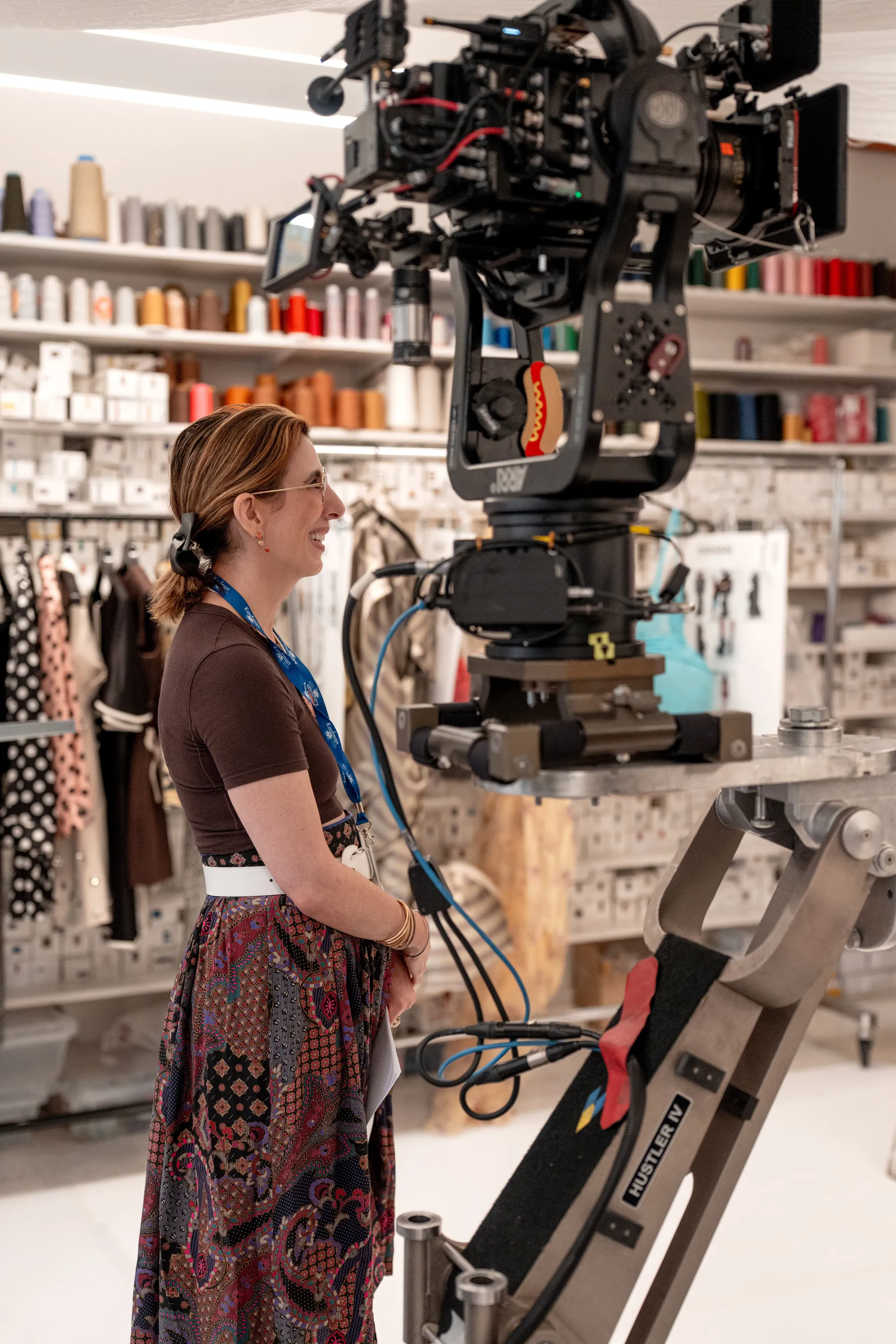
The screenwriter teases that she would be open to revisiting the DWP characters yet again, saying, "I would follow them anywhere."
MC: Do you think Miranda really doesn't recognize Andy in that early scene?
ABM: She does not recognize her. I think what happens is as she's interacting with her, bells start to ring. And she's like, Oh, oh, that's that person. So that's why when she says, "I always knew," she does remember thinking, God, this girl was smart, but she's had probably 30 assistants since then since she has two at a time. It doesn't surprise me at all. That was a funny internet moment where people were like, "Is this movie about her having dementia?" Come on, guys. I am now the age that Miranda was in the first movie. With all due respect to people that I worked with 20 years ago, there are people I worked with in writer's rooms 20 years ago who would come up to me and…nothing. And I'm in my 50s and she's in her 70s, so I think she could be forgiven. But I do think you can see in the performance that she's slowly recognizing her. So I think people who are not tracking that are young.
This interview has been edited and condensed for clarity.