
-
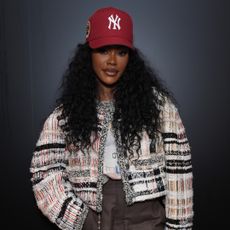 Teyana Taylor's Personal Style Is "Big on Freedom"
The star opens up about her approach to fashion and career in an exclusive interview.
-
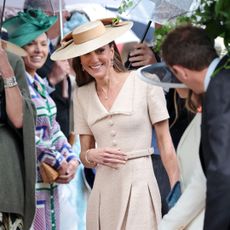 Why Princess Kate Always "Looks the Part" While Keeping it Understated at Weddings
"Kate is aware that the world is looking at her, even when traditionally they should be looking at the bride."
-
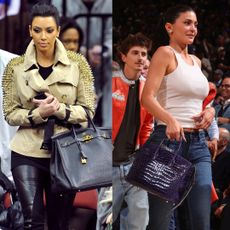 The 10 Best Courtside Celebrity Looks at Knicks Games Over the Years
Beyoncé and Rihanna dribbled so Kylie Jenner and Selena Gomez could slam dunk.
-
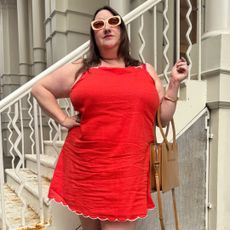 3 Brands I Swear By for Non-Boring, Plus-Size Linen
Fun colors, prints, and shapes are top of mind.
-
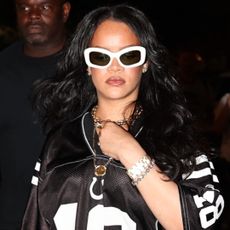 World Cup Watch Parties Aren't Ready for My Rihanna-Inspired Sports Jersey
Who needs a seat at MetLife Stadium?
-
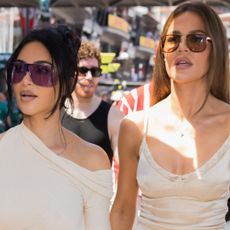 Kim Kardashian's Backless Gucci Dress Makes Her Monaco Grand Prix Royalty
Lewis Hamilton said it was "amazing" to see. Fashion girls agree.
-
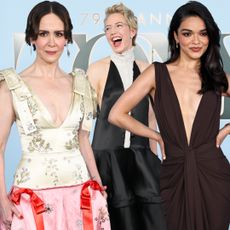 Give a Standing Ovation to the 8 Best-Dressed Stars at the 2026 Tony Awards
They've earned that applause.
-
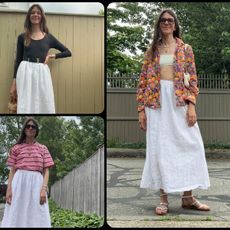 How to Wear Summer’s Long White Skirt Trend
The trick is balancing all that breezy volume with sporty, polished, and playful styling pieces.
-
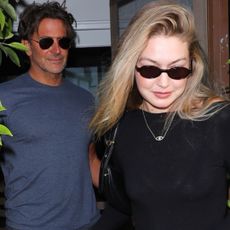 A Foodie Color Trend Adds Flavor to Gigi Hadid's Date Night Outfit
Is it Bradley Cooper's turn next?
-
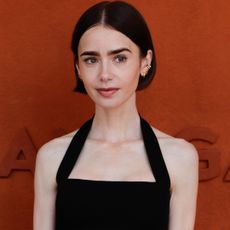 Lily Collins Saves Her Biggest It Bag for the Final 2026 French Open Match
It was the grand finale fans waited for.
-
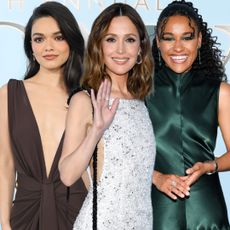 It’s Showtime! Discover All the 2026 Tony Awards Fashion
These looks are worth a standing ovation.
-
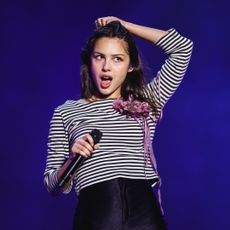 Olivia Rodrigo Trades Babydoll Dresses for the Hot Pants Trend
Fishnet stockings and Breton stripes completed her music festival look.
-
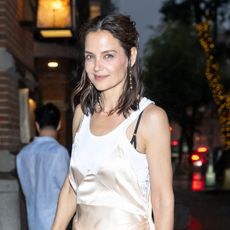 Katie Holmes Swaps Her Chloé Gown for Leather Pants
Last night included a Joshua Jackson reunion and an edgy outfit change.
-
 Kim Kardashian's Gucci Racing Suit Matches Lewis Hamilton's Energy
The SKIMS founder is in her leather and lace era.
-
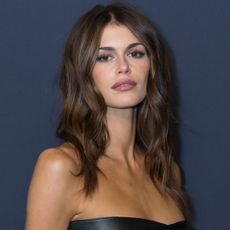 Kaia Gerber's Alaïa Dress Combines a Leather Bodice With Cut-Outs
The model forwent accessories and let her outfit do the talking.
-
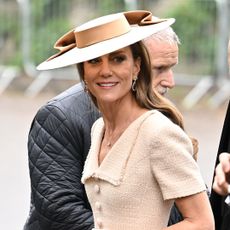 Princess Kate Taps a Meghan Markle-Approved Brand
The Princess of Wales braved the rain in a bouclé dress and pointed-toe pumps.
-
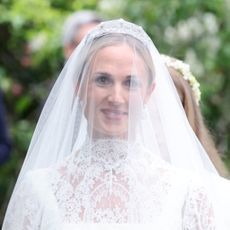 Harriet Sperling Is the Epitome of a Royal Bride in White Lace
The newest member of the Royal Family chose a lacy gown with a dramatic veil for her nuptials.
-
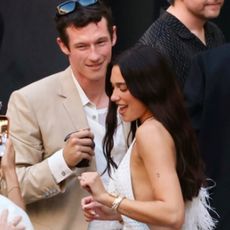 Dua Lipa Transforms a Bottega Bag Into a Wedding Welcome Dress
The label's woven leather has never looked quite like this.
-
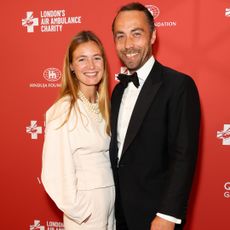 James Middleton and Alizee Thevenet Make a Rare Red Carpet Appearance
The royal-adjacent duos supported a cause close to Prince William's heart on June 4.
-
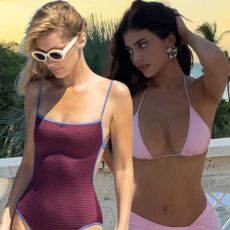 Pucci-Girl Summer Walked So These Summer 2026 Swimsuit Trends Could Run
It's going to be a maximalist summer.
-
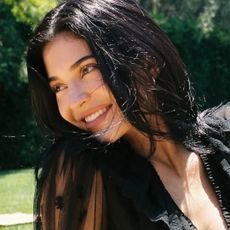 Kylie Jenner Trades Turks and Caicos Bikinis for Summer's Ultimate Skirt Set
Her Turks and Caicos trip is giving me endless fashion FOMO.
-
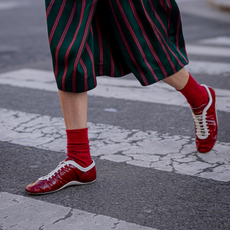 5 Anti-Sandal Shoe Trends I Need This Summer
If you hate showing your toes, this is for you.
-
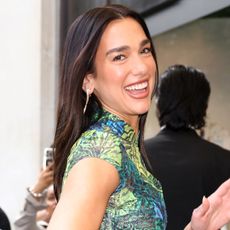 Dua Lipa Begins Her Second Wedding Weekend Like a True Fashion Girl
The silhouette is made for a Euro summer ceremony.
-
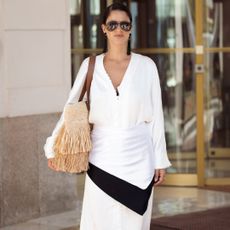 Packing for Beach Days Is a Breeze With These Low-Effort, High-Reward Staples
Breezy linen and waterproof makeup top my list of must-haves.
-
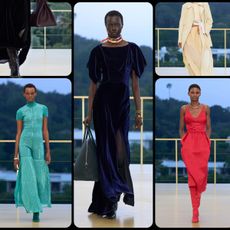 Hermès Proves Quiet Luxury Can Have a Softer Side
At its Resort 2027 L.A. show, the house paired its signature precision with a newfound sense of ease.
-
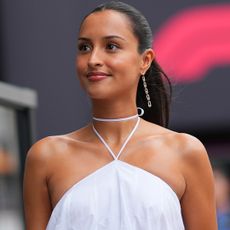 Alexandra Leclerc Races to Start a Monaco Grand Prix Color Trend
Who knew white and mint green make a winning color combination?


