Full Glam Makeup Is Making a Comeback In 2026, With Glittery Eyes Set on 2027
After years of barely-there beauty, we're falling back in love with getting all made up.


For many years, one of the highest compliments you could give someone about their makeup is that you couldn't tell they're wearing any. It may be meant kindly, but as someone who wears a smokey eye everywhere from a Sunday brunch date to a black-tie wedding, I've always found that a little funny. I mean, after 20 minutes of blending eyeshadow, I'd be a little disappointed if you couldn't tell.
For a while, though, the Clean Girl was everywhere. The goal was makeup that barely looked like makeup, regardless of how much time went into applying it. That same obsession with looking naturally flawless didn't stop at our makeup bags. Between top-of-the-line skincare routines and cosmetic procedures meant to address seemingly every perceived imperfection, there's an irony in disguising our effort: the more we do, the less noticeable we want it to be.
Now, full glam is finding its way back into the conversation, and I'm not convinced we're simply craving more makeup products in our collections.
The Evolution of Today's Makeup
There was a time when looking like you were wearing makeup wasn't exactly encouraged. In the 19th century, a visibly made-up face could invite social judgment, with deep ties to morality, social class, and gender roles. By the 1920s, though, lined eyes and lipstick weren't just for flappers; women in high society were wearing them, too. Fast forward to the 2010s, Instagram and YouTube were giving us something we'd rarely had access to before: the techniques behind celebrity makeup.
Kim Kardashian, for example, was posting photos with contour and highlight mapped across her face. Alongside her longtime makeup artist, Mario Dedivanovic, she helped make professional-level sculpting feel attainable from home. "Sharing the techniques behind the artistry has always been my passion," Dedivanovic says. People wanted those Hollywood cheekbones, and now they knew exactly how to achieve them at home.
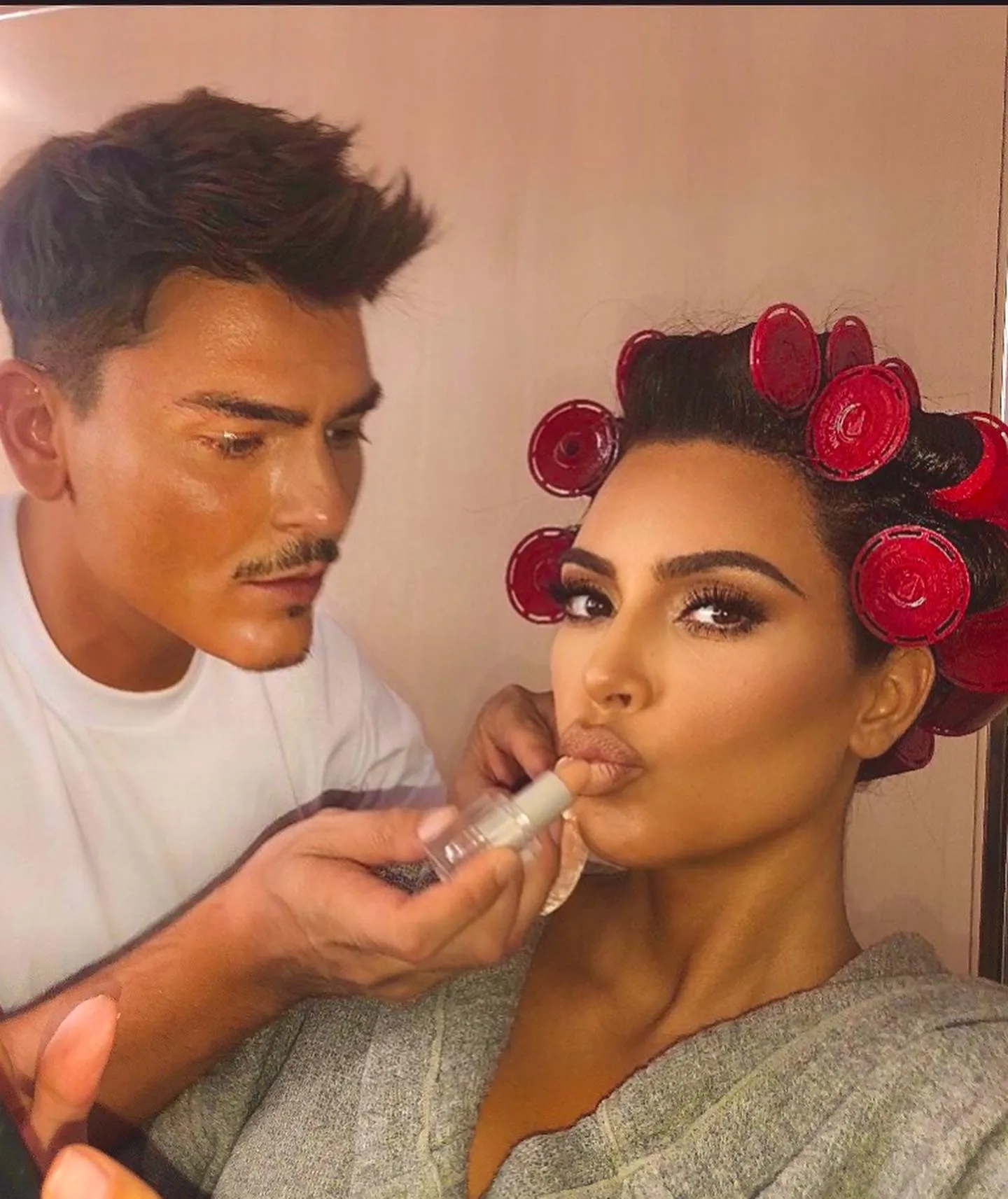
Mario and Kim in their earlier years together in the glam room.
Patrick Ta, meanwhile, was making a name for himself with the flushed cheeks and luminous skin he created on clients like Gigi Hadid and Kylie Jenner. He shared those looks on social media, and by April 2019, he'd launched his own beauty brand with Major Glow, his debut collection dedicated to creating his own signature radiance.
That growing interest in luminous, natural-looking skin was already part of a larger shift in beauty, one that the pandemic would accelerate the following year. With fewer reasons to get dressed up, many people scaled back their makeup routines and turned their attention to skincare. By the early 2020s, TikTok had helped turn the preference for barely-there makeup and flawless skin into an entire aesthetic: the Clean Girl.
What Is Prompting the Return of Full Glam?
The Clean Girl isn't going anywhere, but judging by what people are searching for lately, she's making room for a lot more makeup. According to Pinterest's October 2026 Beauty Trend Report, searches for "full beat makeup looks" increased by 460 percent, while "grunge eyeliner looks" jumped 311 percent. Climbing to 121 percent? "Bold lip combo."
The Spring/Summer 2027 runway shows weren't exactly short on statement makeup either. Peter Philips gave Dior models silver-winged eyeliner against otherwise understated skin. Over at Saint Laurent, Pat McGrath went darker, pairing smokey eyes with deep burgundy lips.
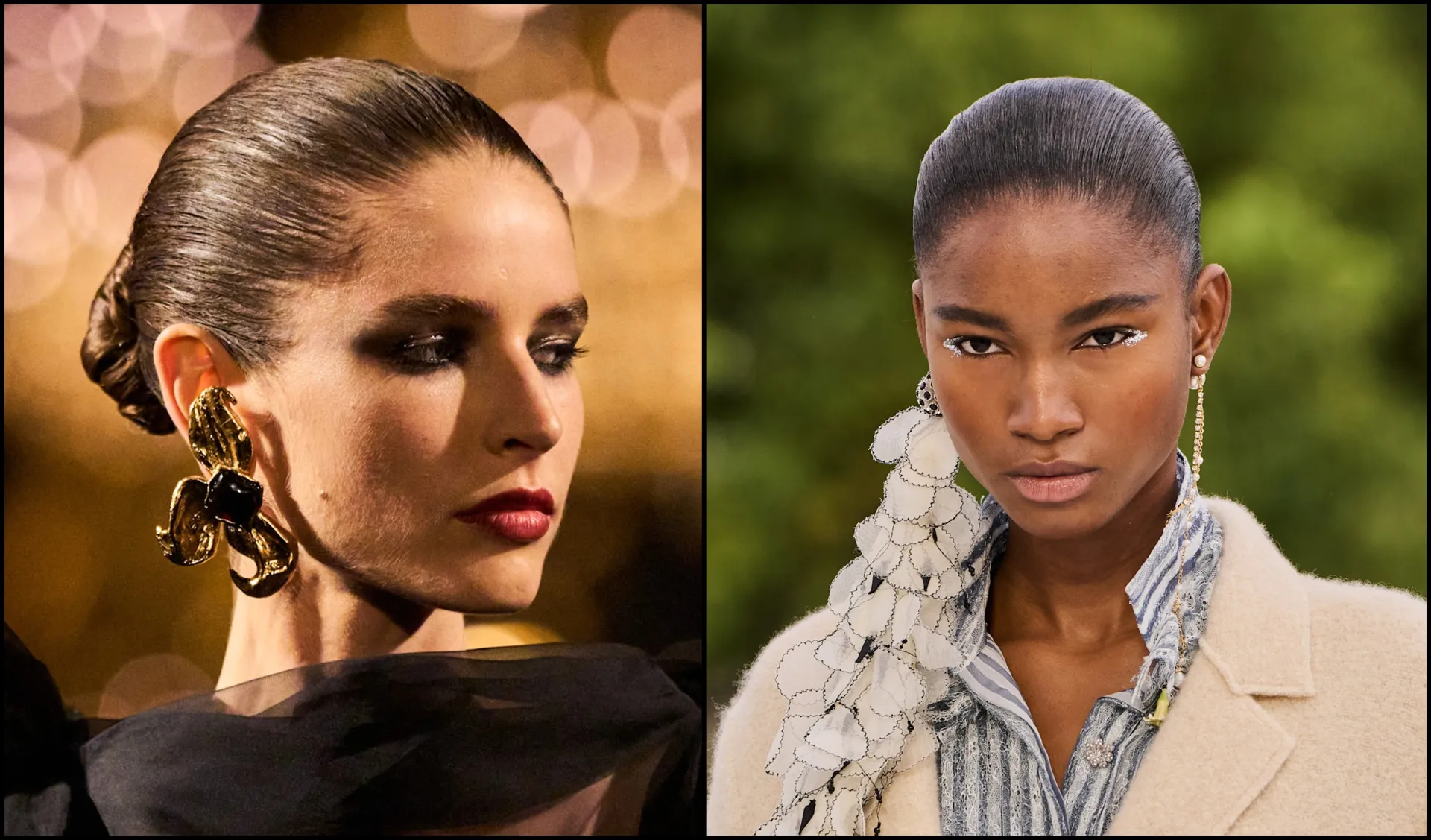
Left: Saint Laurent Ready to Wear Spring Summer 2027 model with smokey eyes and burgundy lips. Right: Christian Dior Ready to Wear Spring Summer 2027 model with silver eyeliner embellishments.
Lisa Payne, head of beauty trends at Stylus, says "consumers are tired of the status quo." After years of minimalist beauty dominating the conversation, shoppers are looking for something more expressive. Brands are responding, too. MAC, for example, has brought back its frosted lipsticks from the archives, including several of its cult-favorite shades.
You don't need me to tell you that trends, both fashion and beauty, are cyclical. But Payne believes there's another factor behind this particular comeback: the financial and political uncertainty people are navigating at the moment. "This gives beauty fans a sense of control where they might not feel it otherwise," she explains.
Of course, a red lip isn't going to fix the economy. After all, Leonard Lauder first coined the term "Lipstick Index" in 2001, an economic theory that suggests consumers will still buy smaller luxury items, like lipstick or perfume, during recessions or tough financial times. But there's also something satisfying about getting to decide exactly how you want to look, especially when so much else feels out of your hands. And if that means a little extra eyeliner or a frosted lip on an otherwise ordinary Tuesday, what’s the harm?
Not every reason for getting all made up has to be quite so existential, though. For Ta, there's also the simple pleasure of the process. "I think people are ready to have fun with makeup again," he says. He describes getting ready as a ritual in itself, complete with a favorite playlist and time spent doing makeup with friends. And sometimes, spending a few extra minutes on your blush has very little to do with wanting to look better—you may just happen to really love blush.
What Is the 2027 Version of Full Glam?
Today's version of full glam doesn't follow the same rules as it did a decade ago. Dedivanovic, who helped define the sculpted aesthetic of the 2010s, is approaching makeup differently these days. "That era was about maximum definition. This one is about harmony. You can be completely glamorous and still look like yourself,” he says. Rather than emphasizing every feature, he's focused on how the entire look comes together. An overlined lip doesn’t necessarily need a chiseled contour to accompany it.
Ta has his own example: blush. "Blush placement alone can completely change the look of the face," he explains. Apply it higher on the cheeks for a sculpted effect, or concentrate the color on the apples for a more youthful look. Same product, entirely different result.
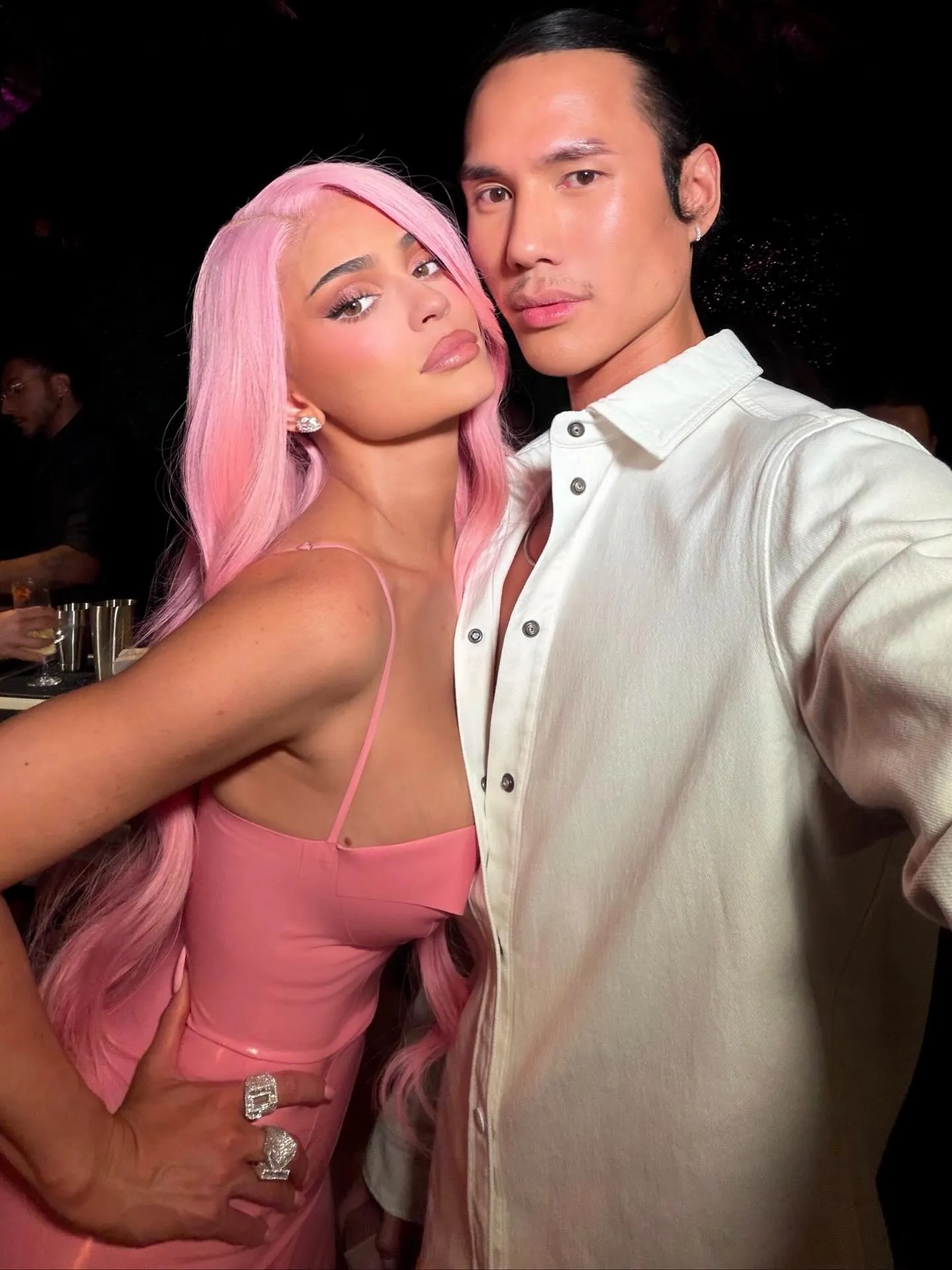
Patrick and Kylie a year ago.
And for all the talk of full glam's return, the clean-girl era has still left its mark on the makeup we're using today. Payne explains that the minimalist era encouraged more sophisticated formulas and finishes as consumers sought makeup that looked more like skin. (The less you want your makeup to show, the harder the products have to work.)
Looking ahead to 2027, Payne expects more easy-to-use glitter and chrome formulas, while Ta anticipates multifunctional products that make it easier to create monochromatic looks at home. Dedivanovic, meanwhile, has his eye on, well, eyes, particularly shimmer that isn't reserved for special events. "People aren’t saving beauty for one specific occasion anymore. They want it whenever they feel like it," he says.
I hope this new era of full glam gives us more room to play instead of becoming another look we're all supposed to copy. Some days, a little concealer might be enough. Others, I want to spend an unreasonable amount of time blending eyeshadow simply because I enjoy doing it. My smokey eye doesn't need to pass for natural. I put it there on purpose.
Why Trust Marie Claire
For more than 30 years, Marie Claire has been an internationally recognized destination for news, fashion and beauty trends, investigative packages, and more. When it comes to the products Marie Claire recommends, we take your faith in us seriously. Every product that we feature comes personally recommended by a Marie Claire writer or editor, or by an expert we’ve spoken to firsthand.
Meet the Experts
Mario Dedivanovic is a true master of his craft. A trusted leader and pioneer at the cutting edge of the beauty industry, Mario is a visionary who continues to forever alter the beauty landscape. As the world's most followed makeup artist, he has taught and popularized revolutionary makeup techniques, igniting viral trends through education, social media, and innovation.
With an intuitive and architectural approach to the human face, Mario creates balance, symmetry, and harmony using tones observed in nature. His artistry awakens and inspires the authentic character and infinite beauty that lies within.
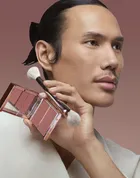
Patrick Ta is one of the most sought-after makeup artists for today’s generation of musicians, models, and actresses, known for his signature red-carpet glow, viral techniques, and charismatic presence on social media. He is also the founder of his namesake beauty brand, Patrick Ta Beauty.
As a proud first generation Vietnamese American, Patrick learned drive, resilience, and the value of hard work from his family. However, growing up, he lacked confidence and a feeling of belonging. It was beauty that brought Patrick out into the world, where he found his people and his purpose—empowering others through his artistry. Patrick is consistently recognized as one of beauty’s leading trendsetters and tastemakers.
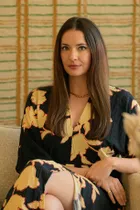
Lisa leads the Beauty team at Stylus. Responsible for tracking and analysing the latest innovations in global beauty development, she unearths insights on emerging industry shifts, key consumer groups, and future-focused directives.
Since joining Stylus in 2010, Lisa has played an instrumental role in growing our beauty content. She’s astute at translating consumer and industry trends into product development and marketing strategies. An esteemed industry expert, Lisa’s insights are regularly called upon by journalists and industry bodies, such as the British Beauty Council and CEW UK. As well as being featured in titles like the Financial Times, British Vogue, Elle, The Telegraph, and the Business of Fashion, she travels internationally to present trends, share market insights, and moderate panels and roundtables.
Every year, Lisa leads the production of some of Stylus’s most anticipated reads, including our Beauty Product Category Projections, which unveil the key annual product trends across the industry’s six biggest categories, and our Future Beauty Cohorts, identifying commercially relevant consumer groups before they hit the mainstream. She’s driven by formula innovation, creative experts, and disruptive sustainability.